Unknown Fish Flood Into India From Tibet Landslide, Bihar Issues Health Warning
AM730 · 2 SOURCESabout 1 hour ago2 MIN
Summary
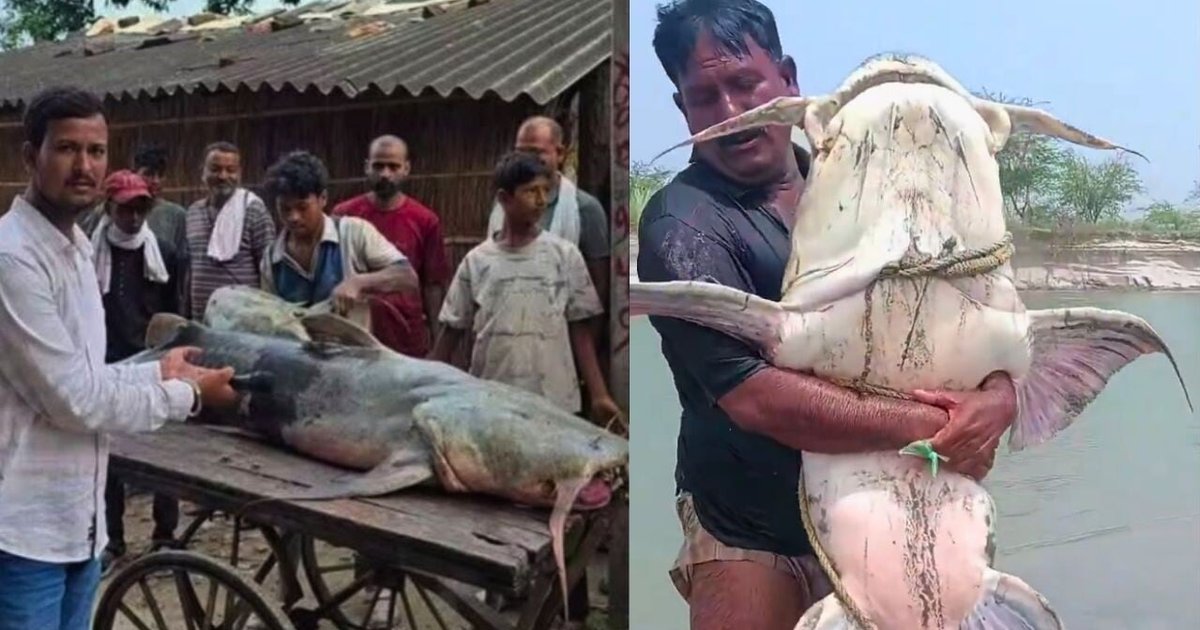
A landslide that struck the Nepal-Mainland Tibet border on August 26, 2026, has caused an unexpected public health concern in northern India. Large numbers of unusually large and strange-looking fish were carried by floodwaters into Bihar state, where some residents who consumed the fish fell ill with symptoms including vomiting, diarrhea, and stomach pain. The Bihar government, through its Minister of Dairy, Animal Resources, and Fisheries Nand Kishor Ram, issued an urgent appeal on September 2 urging residents to refrain from eating unknown fish species found in rivers and waterways .
Key Points
- The landslide occurred on August 26, 2026, at the Nepal-Mainland Tibet border, generating floodwaters that swept large, unfamiliar fish into Bihar state
- Bihar's Minister of Dairy, Animal Resources, and Fisheries Nand Kishor Ram (Nand Kishor Ram) issued an urgent appeal on September 2 warning residents not to consume these unknown fish species
- Some residents who ate the fish have already fallen ill, experiencing symptoms of stomach pain, vomiting, and potentially respiratory difficulties
- The Animal, Fisheries and Rural Development Department (AFRD) warned that flood conditions expose fish to sewage in drainage channels, dead animal carcasses, and decomposing organic matter, increasing risks of bacterial, viral, and fungal contamination
- The government has called on local fishermen not to catch or sell these fish, and has requested residents to report sightings of unfamiliar fish species to fisheries officials or local administration immediately
Why It Matters
The incident highlights the cascading environmental and health consequences that can result from natural disasters in cross-border regions. Bihar's position directly downstream from Nepal's major river systems makes it particularly vulnerable to secondary effects of flooding events in neighboring countries. Public health officials emphasize that until flood conditions fully recede and natural pollutants dissipate, any fish caught in floodwaters should be considered potentially hazardous to consume .
The incident highlights the cascading environmental and health consequences that can result from natural disasters in cross-border regions. Bihar's position directly downstream from Nepal's major river systems makes it particularly vulnerable to secondary effects of flooding events in neighboring countries. Public health officials emphasize that until flood conditions fully recede and natural pollutants dissipate, any fish caught in floodwaters should be considered potentially hazardous to consume .