China-Nepal Landslide: Tunnel Rescue Under Way as Death Toll Exceeds 1,000
SingTao · 9 SOURCESabout 2 hours ago2 MIN
Summary
The catastrophic glacial collapse and landslide that struck the China-Nepal border on August 26 has killed over 1,000 people, with more than 4,400 still missing across both countries. Nepalese military forces, assisted by specialized teams from China, India and South Korea, are racing against time to rescue approximately 639 hydroelectric workers still trapped inside blocked underground tunnels at multiple power station sites. A memorial ceremony was held in Tibet on September 1 as rescue operations continue amid growing concerns over the fate of those trapped in the tunnels.
Key Points
- Nepal has confirmed over 1,000 deaths and 3,929 missing as of September 1, while Tibet reports 16 dead and 546 missing, bringing the combined toll to more than 1,000 fatalities
- An estimated 639 workers remain trapped in tunnels across 11 hydroelectric projects, including the 216-megawatt Upper Trishuli-1 and Upper Trishuli-3A sites where workers were reportedly 180 metres inside when disaster struck
- Rescue teams from China and India arrived in Nepal on August 29, bringing thermal imaging equipment, drilling apparatus and DNA experts, while South Korea dispatched a 44-member emergency rescue team
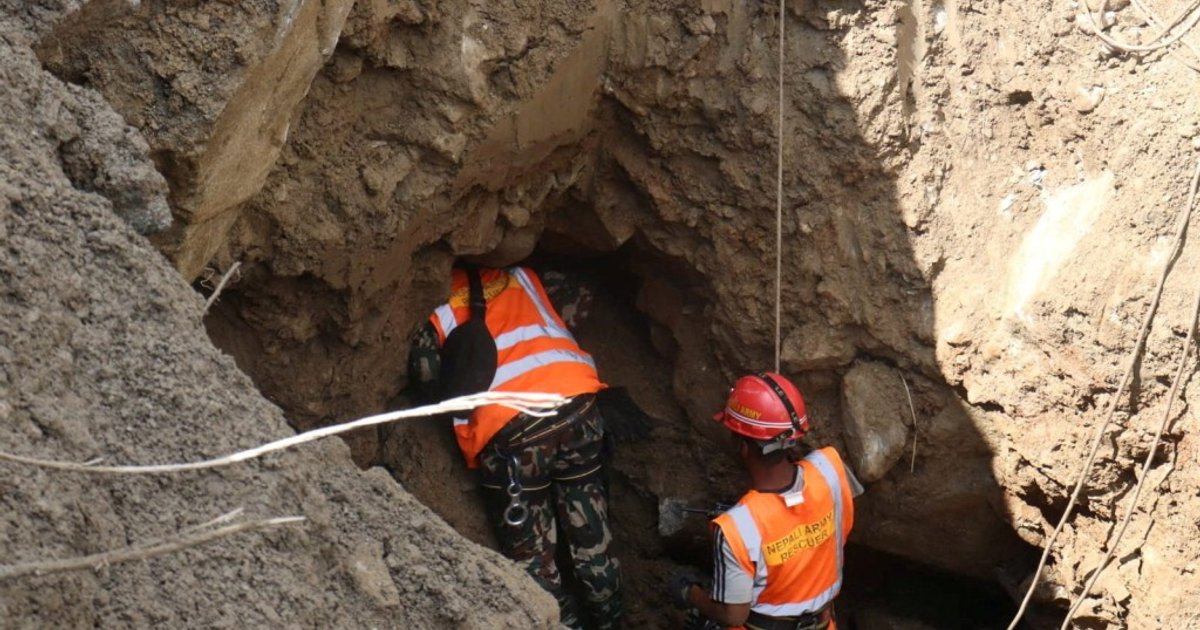
- Nepalese military forces have entered two tunnels and recovered three bodies, using controlled blasts, excavators and pumps to clear debris and water
- In Nepal's Chitwan district, bodies have been washing up 200 kilometres downstream; 233 have been recovered with only 4 identified, and 96 unidentified bodies were buried in Devghat forest as morgues overflow
Why It Matters
This disaster represents one of the most severe Himalayan geological events in recent history, with the massive glacial collapse generating a debris flow that travelled 20 kilometres with a vertical drop of 3,300 metres, overwhelming infrastructure and transforming the landscape . The survival of hundreds trapped in underground tunnels depends on the outcome of high-risk rescue operations involving coordinated international assistance, while the parallel crisis of managing unidentified bodies in Nepal's tourism heartland underscores the catastrophic scale of the disaster .
This disaster represents one of the most severe Himalayan geological events in recent history, with the massive glacial collapse generating a debris flow that travelled 20 kilometres with a vertical drop of 3,300 metres, overwhelming infrastructure and transforming the landscape . The survival of hundreds trapped in underground tunnels depends on the outcome of high-risk rescue operations involving coordinated international assistance, while the parallel crisis of managing unidentified bodies in Nepal's tourism heartland underscores the catastrophic scale of the disaster .