Huanggang Port on track for fourth-quarter opening
SingTao · 7 SOURCESabout 1 hour ago5 MIN
Summary
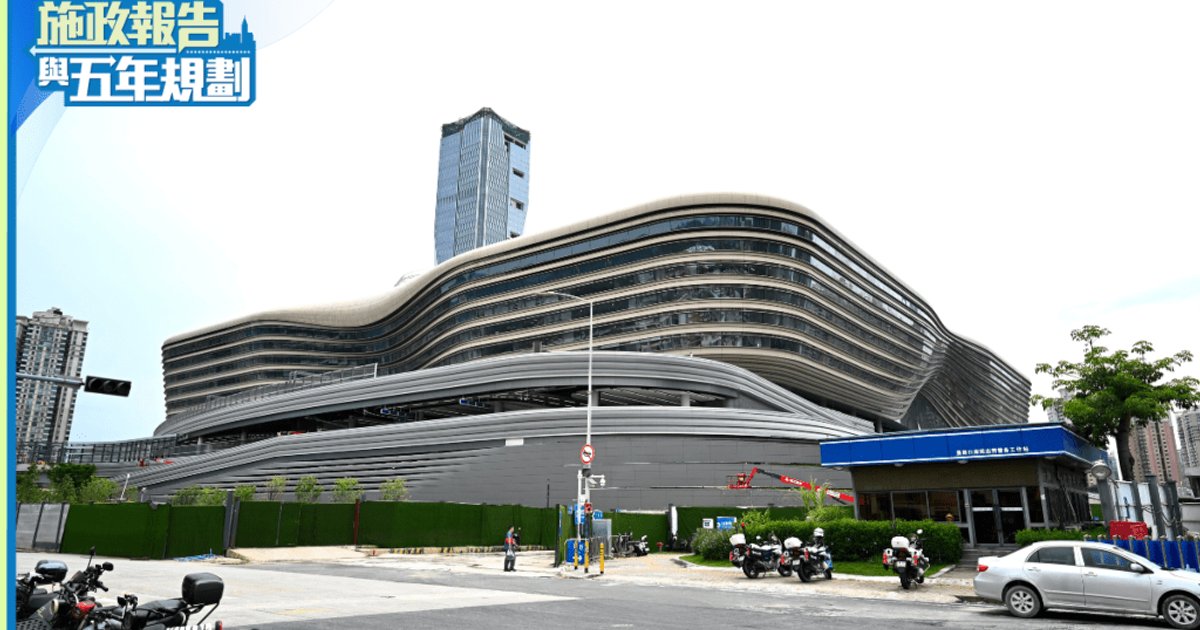
Hong Kong officials said on September 17 that the rebuilt Huanggang Port remains on course to enter service in the fourth quarter after more than 100 system tests, stress tests and drills. Remaining work includes adjustments to lane computer systems, after exercises also identified Wi-Fi and road-surface issues that officials said have already been addressed. At the same Policy Address and five-year plan briefing, Chief Secretary Eric Chan Kwok-ki (陳國基) said the first phase of the government’s AI “city brain” will cost about HK$200 million and target completion in 2028. He said the system is meant to improve traffic, infrastructure and emergency management, not to monitor individuals or investigate crime.
Key Points
- Secretary for Security Chris Tang Ping-keung (鄧炳強) said Huanggang Port has undergone more than 100 system tests, stress tests and drills covering cross-boundary coordination, clearance capacity and contingency measures.
- The rebuilt port is expected to start service in the fourth quarter under co-location and a new “joint inspection, one-time release” clearance model.
- A 20,000-person drill last month found weak Wi-Fi signals and slippery road surfaces; officials said signal quality was improved and anti-slip material added.
- Tang said crowd volumes were manageable in stress tests, but lane computer systems involving cameras and facial-recognition functions are still being adjusted before an opening date is fixed.
- Chan said the AI city brain’s first phase will cost about HK$200 million, connect around 30 departmental systems, link with 1823 in 2028, and may take six to nine years to mature fully.
Why It Matters
For travellers, the latest update suggests the main risk to the Huanggang launch is no longer basic physical capacity but whether digital clearance, transport interchange and lane systems work smoothly from day one. For residents, the city-brain project will likely be judged on whether it can speed up responses to traffic disruption, flooding and infrastructure failures while easing concerns about surveillance and privacy.