San Tin Technopole Targets Advanced Manufacturing with Flexible Land Pricing
SingTao · 1 SOURCESabout 1 hour ago2 MIN
Summary
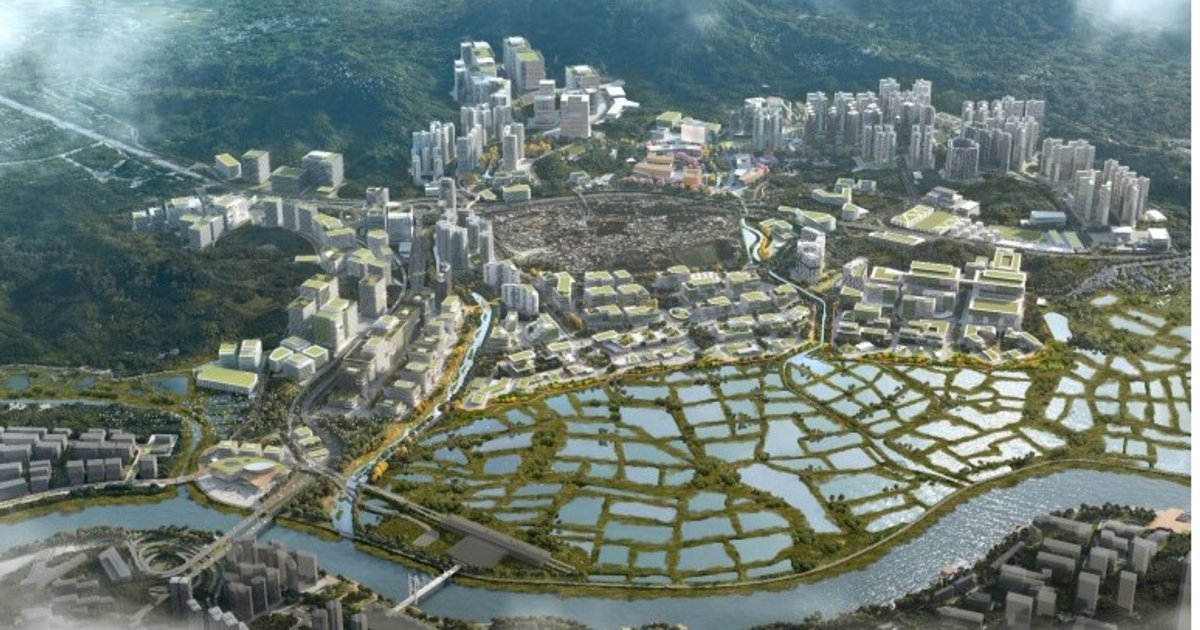
San Tin Technopole chairman Chua Ngak-chiu announced on July 29 that the 210-hectare technology hub will prioritize mid-to-downstream advanced manufacturing, targeting enterprises in chips, drones and new energy vehicles. The development, part of the Northern Metropolis initiative, offers flexible land pricing and leverages CEPA benefits to attract leading high-tech firms. With HK$10 billion in government seed funding and the first board meeting already held, the project is moving forward with CEO and senior management appointments expected in October-November.
Key Points
- San Tin Technopole spans 210 hectares and will focus on advanced manufacturing including chips, drones and new energy vehicles
- Government allocated HK$10 billion starting capital; development will use a build-operate-transfer model rather than government-only construction
- First batch of 2.5 hectares of land expected to be leveled by end of this year; discussions ongoing with one to two leading tech enterprises
- Land pricing described as "negotiable" with reference to the attractive terms for the Sha Ling Supercomputing Centre in April
- Hung Shui Kiu lot's successful tender serves as demonstration and confidence boost for the project
Why It Matters
The San Tin Technopole represents a pivotal shift in Hong Kong's innovation ecosystem, aiming to quadruple tech land supply over the next decade and increase research talent from 50,000 to at least 200,000. By positioning the park as a manufacturing hub rather than purely research-focused, Hong Kong seeks to capture downstream commercial opportunities while leveraging CEPA's 30% value-added rule for duty-free mainland market access .
The San Tin Technopole represents a pivotal shift in Hong Kong's innovation ecosystem, aiming to quadruple tech land supply over the next decade and increase research talent from 50,000 to at least 200,000. By positioning the park as a manufacturing hub rather than purely research-focused, Hong Kong seeks to capture downstream commercial opportunities while leveraging CEPA's 30% value-added rule for duty-free mainland market access .