520,000 Hong Kong Residents Self-Isolating; Initiative Proposes Community Link Workers to Rebuild Social Connections
HK01 · 1 SOURCESabout 1 hour ago7 MIN
Summary
A collaborative initiative led by MaD (Make a Difference) Collaborations, the YMCA, and the University of Hong Kong's Faculty of Medicine is addressing Hong Kong's growing social isolation epidemic through social prescribing interventions. With approximately 520,000 self-isolators in the city and one in five residents experiencing loneliness, Our Hong Kong Foundation Assistant Research Director Chau Ka-chun notes that government focus on epidemic prevention and healthcare has overlooked social determinants of health. The program deploys trained community link workers to guide isolated individuals—particularly elderly residents living in subdivided units—back into community life through gradual, personalized support.
Key Points
- Scope of Crisis: One in five Hong Kong residents reports feeling lonely, with 520,000 individuals classified as self-isolators requiring intervention .
- Community Link Worker Model: Link workers function as "half social worker, half friend and case manager," distinguishing between physical and social barriers before co-developing personalized care plans with clients .
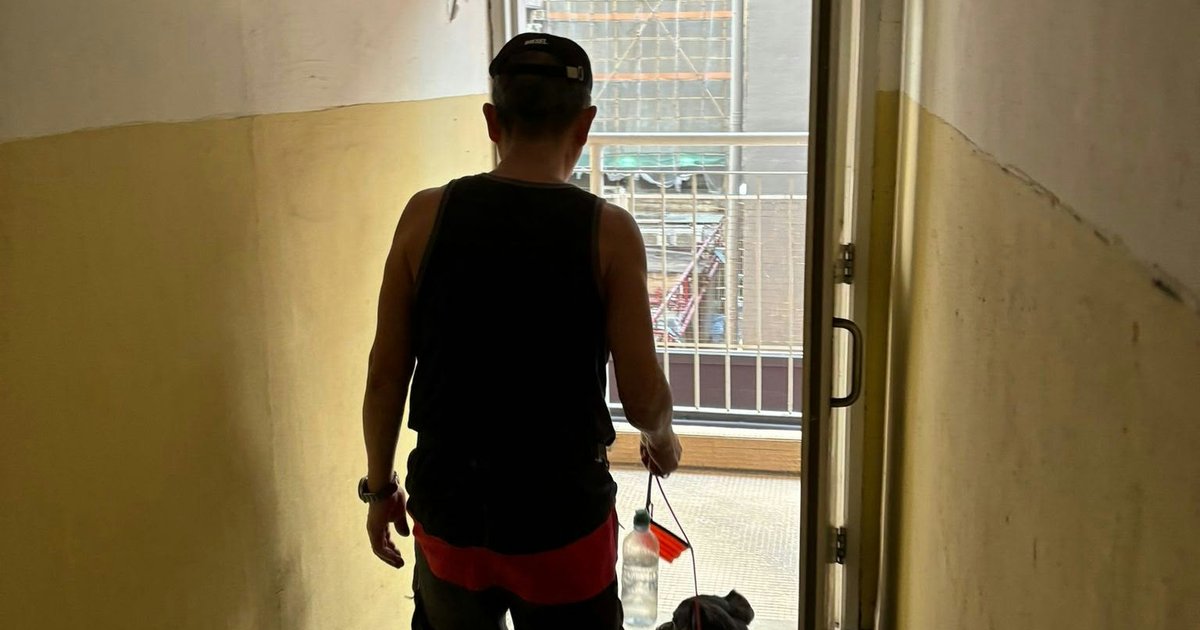
- Successful Case Study: A 70-year-old introverted elderly resident living in a subdivided unit was gradually reintroduced to community life through attending talks and food distribution events at a community living room, eventually befriending another resident and participating in more activities .
- Phase 2.0 Expansion: The program is recruiting 60 link workers from various professional backgrounds, providing 44 hours of rigorous training, with services concentrated in the underserved northwestern New Territories region targeting at least 300 elderly residents .
- International Best Practices: The initiative draws from United Kingdom and Japan models where general practitioners issue "social prescriptions" after identifying social issues, referring patients to link workers who coordinate community resources such as gardening programs .
Why It Matters
This social prescribing model offers a sustainable solution to Hong Kong's overstretched medical-social interface, where healthcare worker shortages exacerbate delays in elderly care. By establishing an objective evaluation framework incorporating medical data from the Electronic Health Record System and developing a recognized qualifications framework through the Hong Kong Qualifications Framework, community link workers could become a standardized profession—bridging healthcare and social services to reduce reliance on药物治疗 while improving quality of life for vulnerable populations .
This social prescribing model offers a sustainable solution to Hong Kong's overstretched medical-social interface, where healthcare worker shortages exacerbate delays in elderly care. By establishing an objective evaluation framework incorporating medical data from the Electronic Health Record System and developing a recognized qualifications framework through the Hong Kong Qualifications Framework, community link workers could become a standardized profession—bridging healthcare and social services to reduce reliance on药物治疗 while improving quality of life for vulnerable populations .