Former Chinese Premier Zhu Rongji, architect of economic reforms, dies at 97
SCMP · 2 SOURCESabout 1 hour ago2 MIN
Summary
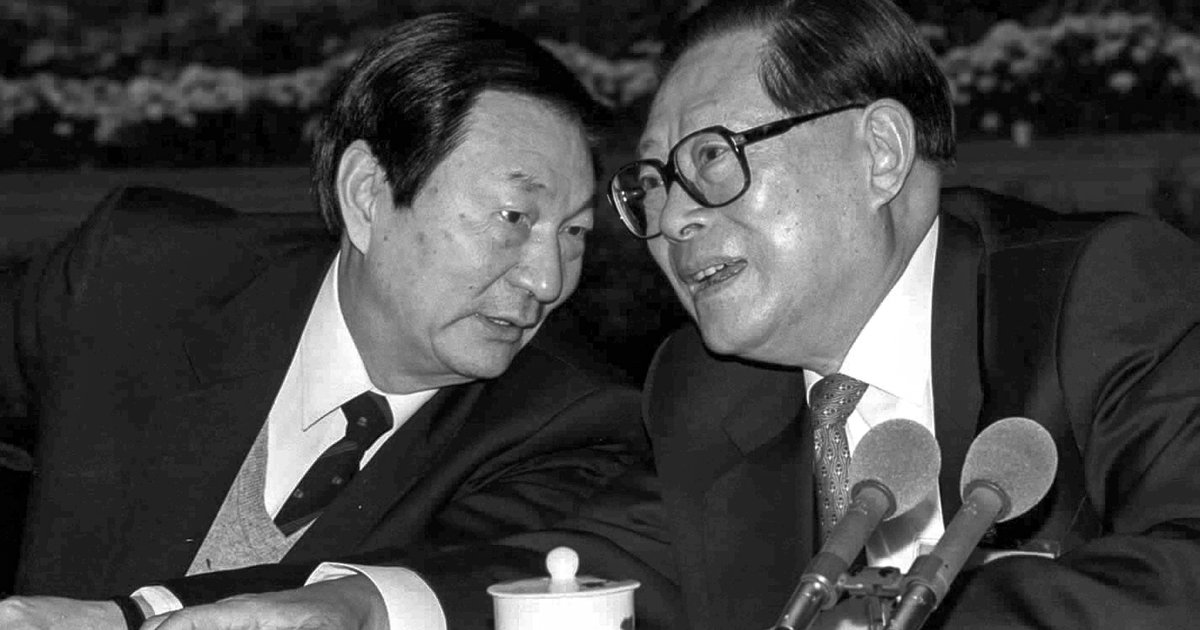
Former Chinese Premier Zhu Rongji, who led China into the World Trade Organization and oversaw sweeping economic reforms that transformed the country into a global trading power, died in Beijing on Wednesday at the age of 97 . Known as China's "economic tsar," Zhu served as vice-premier and premier from 1991 to 2003, navigating the country through the 1997 Asian financial crisis and massive domestic reforms . His straight-talking style and determination to push through difficult changes despite widespread criticism earned him nicknames including "iron-face Zhu" and "problem solver" . Zhu's reforms fundamentally reshaped China's economic system, bringing it into the world economy and laying the foundation for its rise as a manufacturing powerhouse .
Key Points
- Zhu Rongji died in Beijing at age 97 on Wednesday, having served as vice-premier from 1991 and premier from 1998 to 2003
- He led negotiations that secured China's entry into the WTO in 2001, opening Chinese factories to international markets and attracting foreign investment
- His bold reforms of state-owned enterprises and the tax system, moving power from local to central government, caused 30 million layoffs over five years
- In 1998, he acknowledged widespread public discontent over corruption, inequality and local officials acting like tyrants
- He was purged twice during the Mao era for criticizing economic policies before being restored after Mao's death in 1976
Why It Matters
Zhu's reforms fundamentally shifted China from a centrally planned economy toward market-oriented policies, integrating the country into the global trading system and setting the stage for its emergence as the world's second-largest economy . His legacy of pragmatic, transparent leadership and willingness to address difficult truths set standards for governance that remain influential today . His tenure demonstrated that bold economic restructuring, though painful in the short term, could deliver sustained growth and transformation on a historic scale .
Zhu's reforms fundamentally shifted China from a centrally planned economy toward market-oriented policies, integrating the country into the global trading system and setting the stage for its emergence as the world's second-largest economy . His legacy of pragmatic, transparent leadership and willingness to address difficult truths set standards for governance that remain influential today . His tenure demonstrated that bold economic restructuring, though painful in the short term, could deliver sustained growth and transformation on a historic scale .