CUHK Vice-Chancellor Sees Bright Future for Hong Kong as Research Hub
RTHK · 1 SOURCESabout 1 hour ago2 MIN
Summary
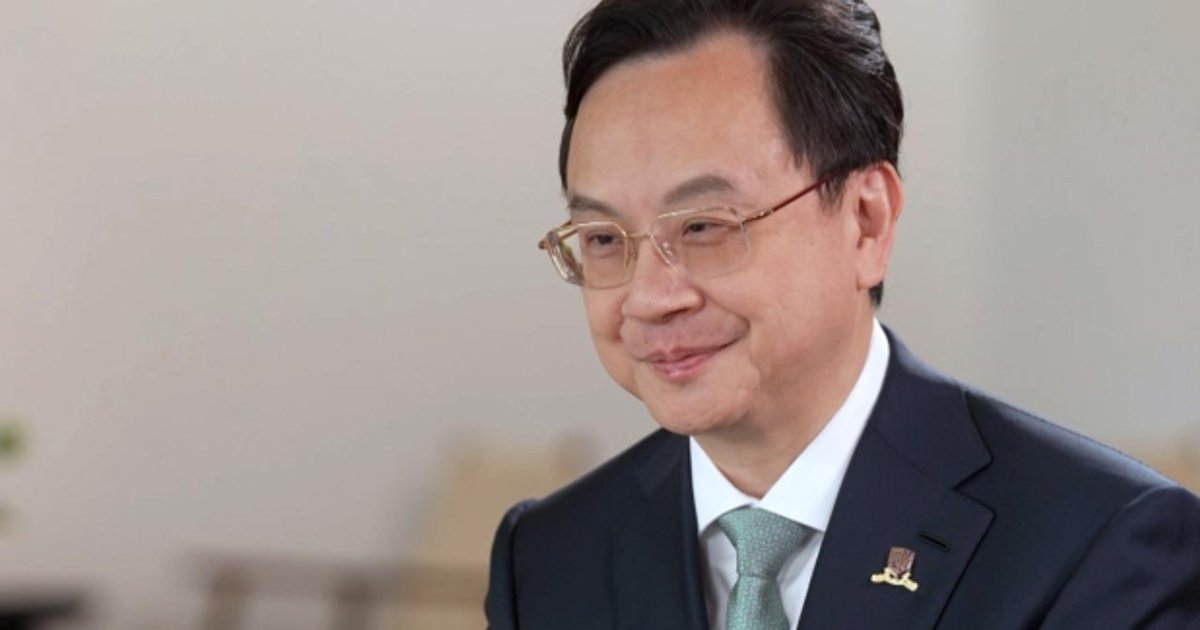
Professor Rocky Lo (Lu Yuming), Vice-Chancellor of The Chinese University of Hong Kong (CUHK), has expressed confidence in Hong Kong's potential as a research and innovation hub. Speaking on RTHK's programme "Broadcasting Drive Interview Room," Lo highlighted that local universities have achieved notable success in scientific research, particularly in life sciences and medical fields .
Key Points
- Hong Kong universities excel in cancer diagnosis, body microecology, and infectious disease research, alongside strengths in AI, robotics, chemistry, and new materials
- Lo stressed that intellectual property protection is the most critical factor for commercializing research outcomes, calling for better education of young scientists and students in this area
- CUHK is actively promoting intellectual property awareness among its research community, and Hong Kong introduced the original grant patent system in 2019
- Lo advised scientists to secure patents first before potentially offering free access to their inventions, arguing that university IP departments should better protect researchers' rights
- The Vice-Chancellor proposed that the government consider establishing "angel funds" to allow inventors to gain initial experience in commercialization during their first one to two years
Why It Matters
If patents granted in Hong Kong could be recognized and enforced within the Greater Bay Area, it would create a more integrated regional innovation ecosystem that could attract more investment and talent to Hong Kong's research sector . Lo's suggestions, ranging from enhanced IP education to angel funding, reflect a growing focus on bridging the gap between academic research and commercial application in Hong Kong .
If patents granted in Hong Kong could be recognized and enforced within the Greater Bay Area, it would create a more integrated regional innovation ecosystem that could attract more investment and talent to Hong Kong's research sector . Lo's suggestions, ranging from enhanced IP education to angel funding, reflect a growing focus on bridging the gap between academic research and commercial application in Hong Kong .