Hong Kong Students Tour Xinjiang Cotton Fields, Challenging Western Narratives
HK01 · 1 SOURCESabout 1 hour ago2 MIN
Summary
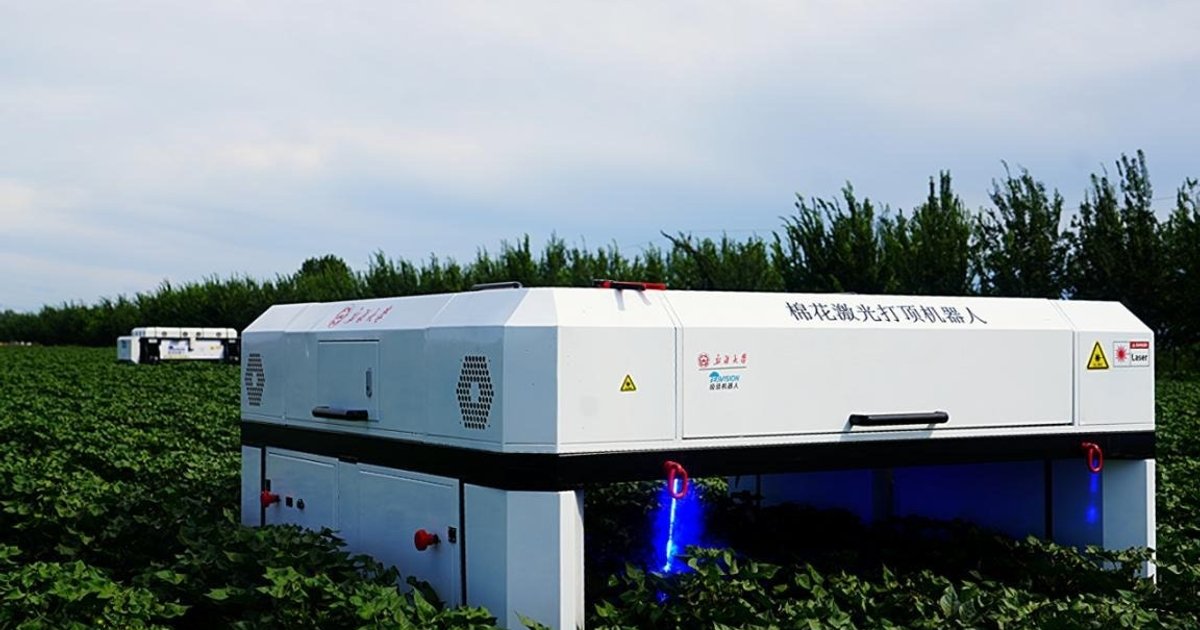
A delegation of 106 Hong Kong secondary school students from 77 schools recently toured Xinjiang's cotton-producing regions, witnessing the highly mechanised reality of China's western cotton industry. The Sun Plan 2026 programme exposed students to technologies including agricultural drones, Beidou navigation seeding systems, and fully automated cotton pickers that have transformed the industry. The visit provided a stark contrast to Western media narratives about Xinjiang, as students observed operations requiring minimal human labour in fields producing over 90% of China's cotton supply.
Key Points
- 106 students from 77 Hong Kong secondary schools participated in Sun Plan 2026, travelling to Shihezi and other cotton-producing regions in Xinjiang
- Xinjiang's cotton mechanisation rate reached 97% in 2025, with machine harvesting stable above 90% and over 7,500 cotton pickers deployed
- Beidou navigation precision seeding achieves less than 2cm error per kilometre; unmanned aircraft handle plant protection across vast fields
- Manual cotton picking costs approximately 2 yuan per kilogram compared to machine picking at just 0.2 yuan—a tenfold difference
- US imposed sanctions on 43 Chinese companies in July 2025 over Xinjiang allegations; China's Ministry of Commerce condemned this as groundless economic coercion
- Manas County operates 700,000 mu of digital farmland; Changji enables farmland management via smartphone apps using satellite remote sensing
- Baifeng Cotton Industry reduced its workforce from 900 to 250 after intelligent transformation while increasing output
Why It Matters
The students' direct experience provides Hong Kong's younger generation with firsthand understanding of Xinjiang's technological advancement, potentially reshaping how the city perceives China's western regions. For Hong Kong's economic positioning, the visit highlighted opportunities for collaboration—Hong Kong's waterless dyeing technology could partner with Xinjiang's cotton supply chain of 6.165 million tons, offering the city a role beyond that of mere buyer in the lucrative textile trade connecting to Central Asian export routes .
The students' direct experience provides Hong Kong's younger generation with firsthand understanding of Xinjiang's technological advancement, potentially reshaping how the city perceives China's western regions. For Hong Kong's economic positioning, the visit highlighted opportunities for collaboration—Hong Kong's waterless dyeing technology could partner with Xinjiang's cotton supply chain of 6.165 million tons, offering the city a role beyond that of mere buyer in the lucrative textile trade connecting to Central Asian export routes .