Legal scholar disputes ‘cession’ label in Hong Kong history
HK01 · 1 SOURCESabout 1 hour ago2 MIN
Summary
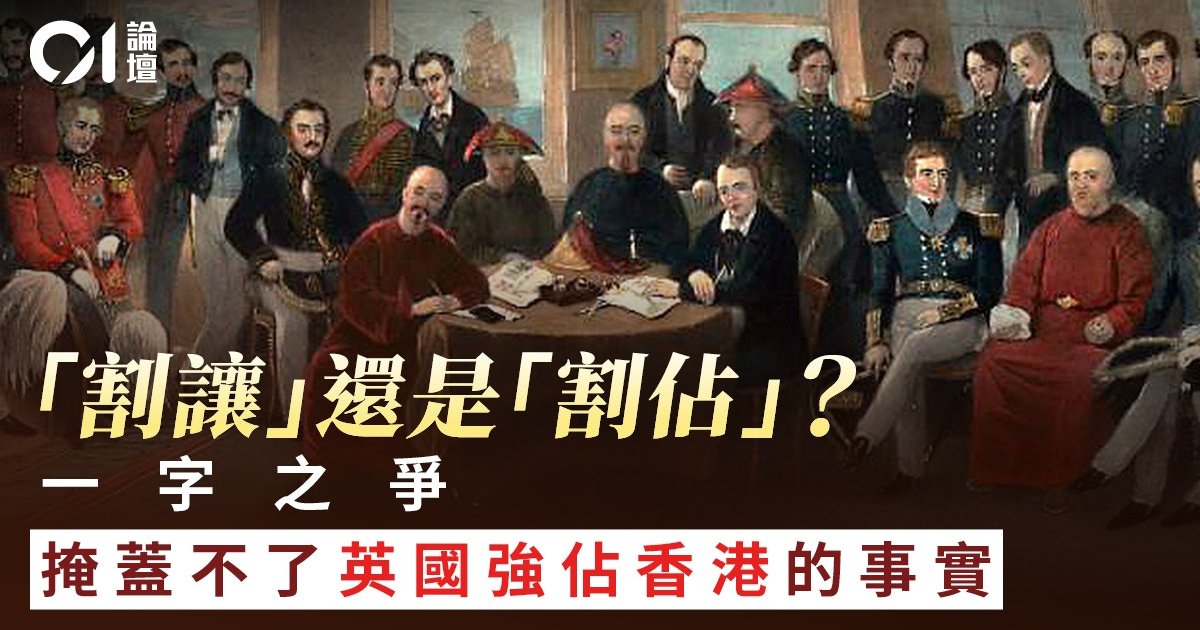
A commentary by Hong Kong lawyer Yeung Ming-fai argues that the long-running wording dispute over whether Hong Kong was “ceded” or “forcibly occupied” should be examined through international law rather than political rhetoric. He says criticism of historian Lau Shiu-yung for using “forcible occupation” overlooks the actual treaty wording in Chinese and English. According to the article, neither the 1842 Treaty of Nanking nor the 1860 Convention of Peking used the exact Chinese term usually rendered as “cession,” while Britain obtained Hong Kong through military coercion. Yeung concludes that changing the label does not alter the historical fact that the arrangements arose from unequal treaties imposed after war.
Key Points
- Yeung Ming-fai, identified as a University of Glasgow international law master’s graduate and a practising Hong Kong solicitor, wrote the commentary in response to criticism by Ching Cheong of Lau Shiu-yung’s wording choice.
- The article says the Chinese text of the 1842 Treaty of Nanking described Hong Kong Island as being “given” to the British monarch for perpetual possession and governance.
- It says the 1860 Convention of Peking described the Kowloon area as being “granted” to the British sovereign and incorporated into the boundaries of British Hong Kong.
- Yeung argues both Chinese and English treaty texts carried equal legal force because neither treaty specified one language as authoritative over the other.
- Citing modern international law, including Article 52 of the Vienna Convention on the Law of Treaties, he says treaties concluded under threat or use of force lack legal validity.
Why It Matters
The debate goes beyond vocabulary because it affects how Hong Kong’s colonial past is taught, framed and understood in public discourse. Yeung’s argument is that legal interpretation should focus on coercion and substance, not only on inherited terminology that may imply voluntary transfer.