Sushi 'Crab Roe' Mystery Solved: What You Are Actually Eating
Bastillepost · 1 SOURCESabout 1 hour ago5 MIN
Summary
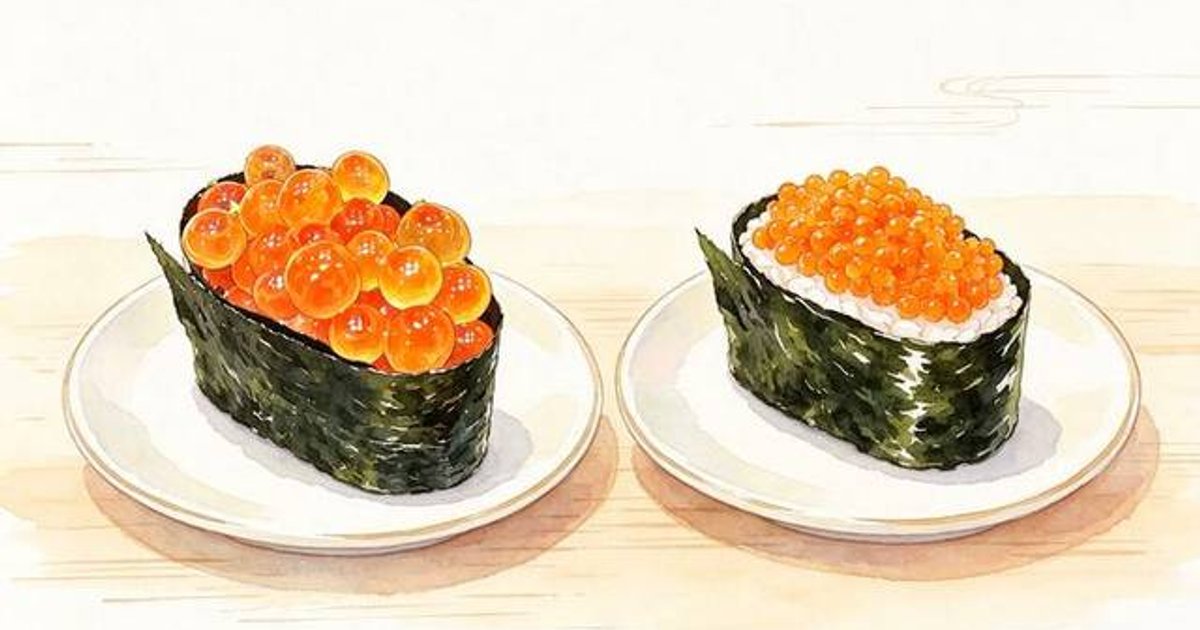
Most diners at sushi restaurants may be surprised to learn that the bright orange, popping pearls topping their sushi rolls bear no genetic or biological connection to crabs at all. The culinary world has long operated on a naming convention that prioritizes visual appeal over biological accuracy, leaving countless consumers in the dark about what they are actually consuming.
Key Points
- The small orange roe pellets served at the vast majority of sushi establishments are not crab roe but flying fish roe (tobiko) or smelt roe (shirako)
- Genuine crab roe consists of tiny, viscous eggs from female crabs that cannot be harvested in large quantities or shaped into distinct pearls
- Flying fish roe typically measures 1-2mm in diameter with an elastic shell that produces a satisfying, audible pop when bitten
- Smelt roe from cheaper chain restaurants has smaller granules with a softer shell and sandier texture, costing significantly less than flying fish alternatives
- The term "蟹籽" (crab roe) originated when Japanese cuisine was first introduced to Hong Kong as a convenient translation to describe the orange hue resembling crab yolk
- Salmon roe (ikura) can be artificially synthesized using sodium alginate and calcium chloride; authentic salmon roe contains a visible oil droplet and turns white when exposed to hot water
- Cantonese cuisine offers a genuine example with "蝦子撈麵" (shrimp roe noodles), where dried shrimp eggs from female shrimp provide an authentic tiny golden-brown product
Why It Matters
This revelation about sushi roe authenticity highlights broader issues of food labeling transparency in Hong Kong's dining industry, where marketing terminology often prioritizes visual appeal over ingredient accuracy, potentially affecting consumer choices and dining expectations.
This revelation about sushi roe authenticity highlights broader issues of food labeling transparency in Hong Kong's dining industry, where marketing terminology often prioritizes visual appeal over ingredient accuracy, potentially affecting consumer choices and dining expectations.