Newborn Rare Disease Screening Expands to Eight Private Hospitals in Hong Kong
HK01 · 1 SOURCESabout 1 hour ago2 MIN
Summary
The Hospital Authority has announced that its newborn screening program, which screens for 32 rare diseases and genetic disorders, has now been extended to eight private hospitals across Hong Kong, offering free heel-prick blood tests to eligible infants born in these facilities. Since its launch, the program has provided screening to over 100,000 babies, demonstrating significant progress in early detection of congenital conditions.
Key Points
- The Hospital Authority's newborn screening program has screened over 100,000 infants for 32 rare diseases and genetic disorders
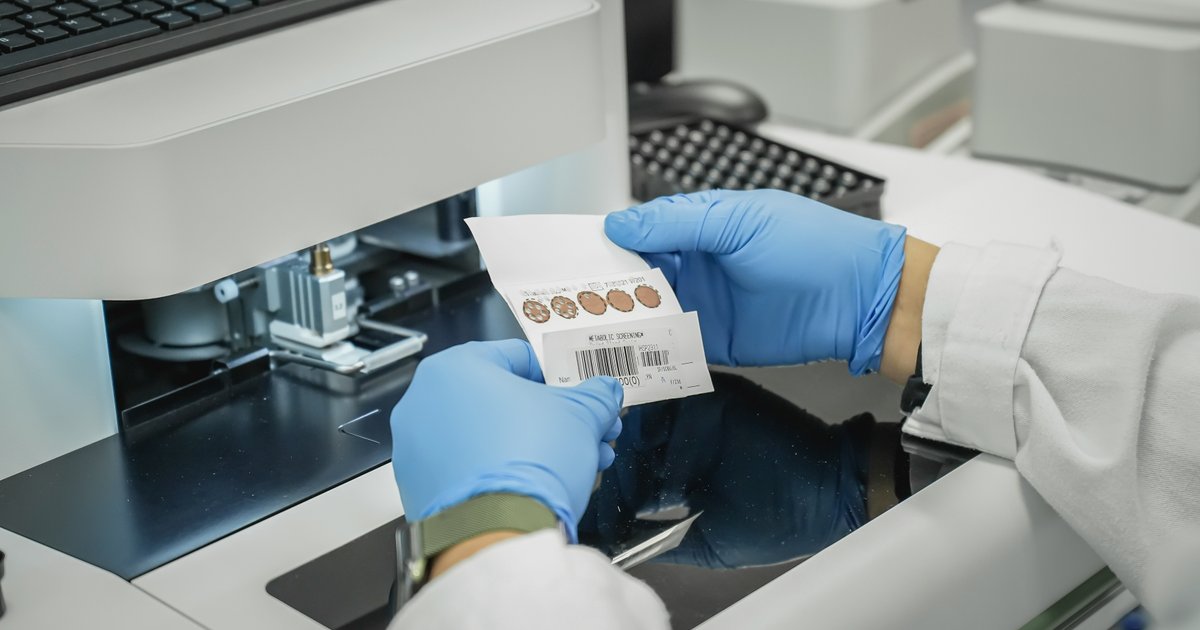
- Screening involves collecting blood from the baby's heel within 24 to 72 hours after birth to identify high-risk cases early
- The program covers 30 congenital metabolic diseases, Severe Combined Immunodeficiency (SCID), and Spinal Muscular Atrophy (SMA)
- Eight private hospitals now participate: Gleneagles Hong Kong Hospital, Hong Kong Sanatorium & Hospital, St. Paul's Hospital, St. Teresa's Hospital, Union Hospital, Matilda International Hospital, Canossa Hospital, and Hong Kong Adventist Hospital – Tsuen Wan
- Over 2,400 babies born in private hospitals have received free screening as of June, with no confirmed cases detected
- The pilot program began in public hospitals in 2015 and became regularized in October 2020
- Expansion to private hospitals aligns with the 2024 Policy Address initiative, launched in mid-2024
- Children's Hospital operates a 24-hour hotline for private hospital inquiries and case referrals
Why It Matters
The expansion of newborn screening to private hospitals ensures that all Hong Kong newborns—regardless of whether they are born in public or private facilities—can access early detection of rare diseases, enabling timely intervention that can significantly improve health outcomes and reduce long-term healthcare costs for families .
The expansion of newborn screening to private hospitals ensures that all Hong Kong newborns—regardless of whether they are born in public or private facilities—can access early detection of rare diseases, enabling timely intervention that can significantly improve health outcomes and reduce long-term healthcare costs for families .