Bangkok's Green Revival Transforms Concrete Jungle Into Walkable City
SCMP · 1 SOURCESabout 2 hours ago1 MIN
Summary
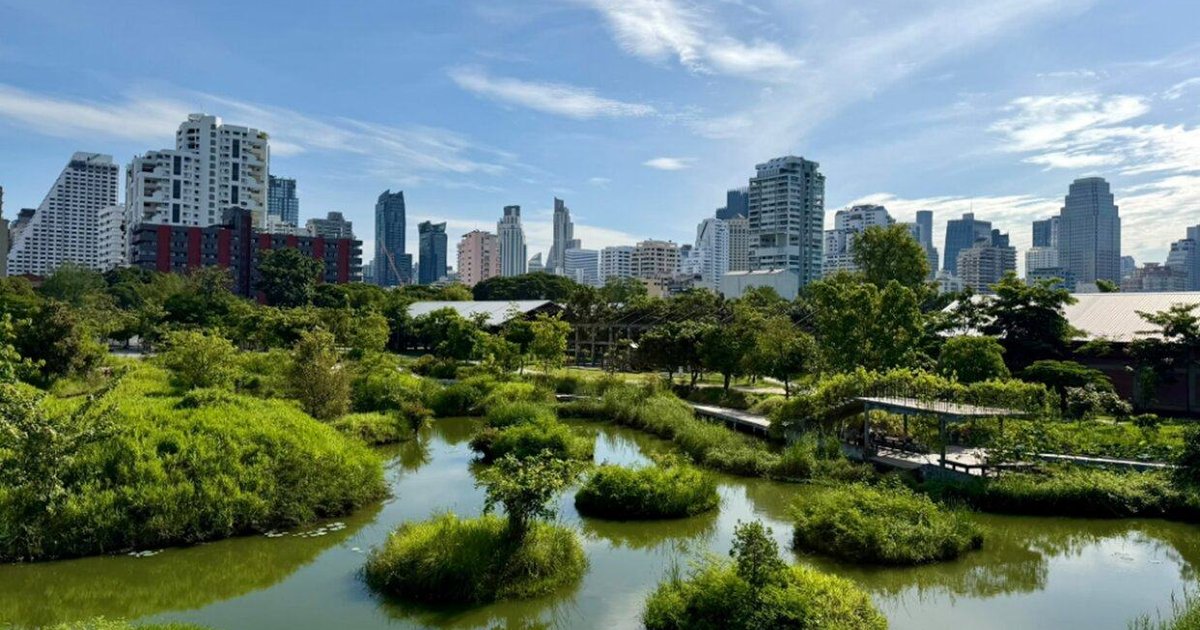
Bangkok has emerged from the Covid-19 pandemic with a surprising new attraction: extensive urban greenery that is transforming its reputation from concrete jungle to walkable, green city . The Thai capital's rapid greening success offers lessons for other Asian cities including Hong Kong on building consensus for environmental change despite political polarization .
Key Points
- The Bangkok Metropolitan Administration launched Green Bangkok 2030 in December 2019, setting three measurable targets for green space expansion .
- Goals include increasing green space to 10 square metres per person and ensuring 50% of the city has park access within a five-minute walk .
- The Million Tree Planting Project began in mid-2022, originally targeting 1 million trees by 2025 but was doubled after early success .
- Nearly 1.2 million trees had been planted by mid-2024, surpassing the initial goal two years ahead of schedule .
- The greening occurred despite two decades of highly polarized Thai politics and a deeply unequal society, demonstrating broad societal consensus .
Why It Matters
Bangkok's experience shows that ambitious urban greening can advance even amid political division and social inequality, providing a replicable model for congested Asian megacities struggling with air pollution and liveability .
Bangkok's experience shows that ambitious urban greening can advance even amid political division and social inequality, providing a replicable model for congested Asian megacities struggling with air pollution and liveability .