Bar chairman outlines pillars of Hong Kong judicial independence
HK01 · 1 SOURCESabout 2 hours ago2 MIN
Summary
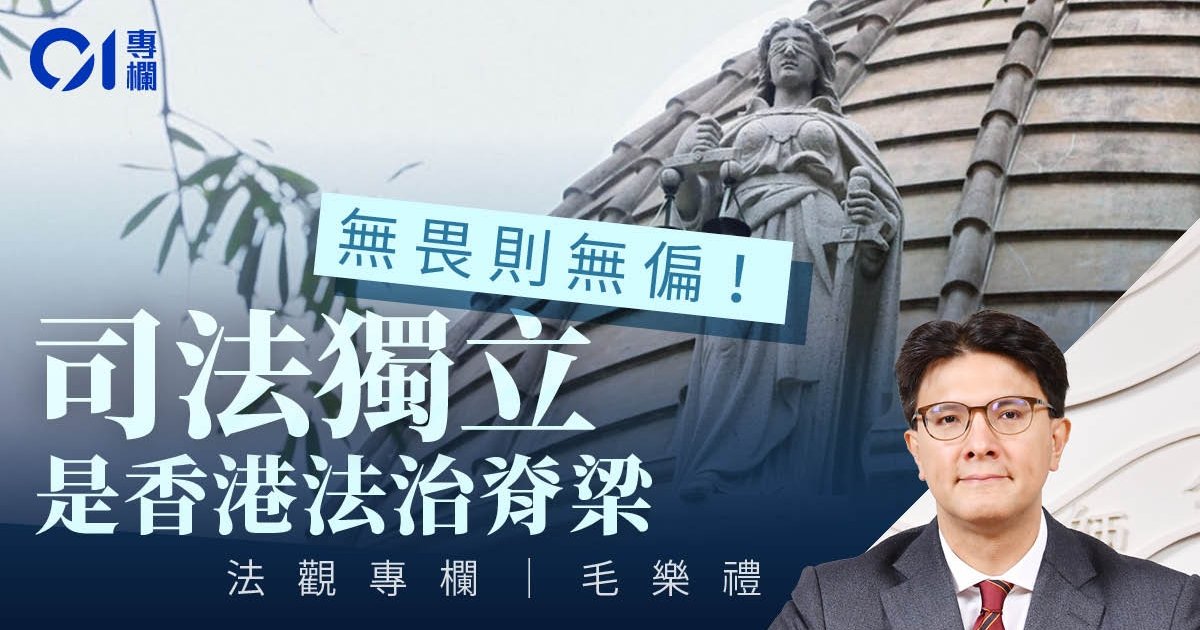
Senior Counsel Jose Maurellet, chairman of the Hong Kong Bar Association, argues that judicial independence is the backbone of Hong Kong’s rule of law and is sustained by constitutional and institutional safeguards. In a commentary, he says judges must decide cases only on law and facts, free from pressure by the government, litigants or public opinion, and that the public should understand how those protections work
Key Points
- Article 85 of the Basic Law states that Hong Kong courts exercise judicial power independently, free from interference, and grants judges legal immunity for acts performed in adjudication
- Article 88 provides that judges are appointed by the Chief Executive on the recommendation of an independent commission, the Judicial Officers Recommendation Commission established under Chapter 92
- The nine-member commission is chaired by the Chief Justice, includes the Secretary for Justice, two judges, one barrister, one solicitor and three lay members
- Maurellet says judicial pay helps reduce corruption risks, but private practice, especially for senior counsel, often remains far more lucrative than judicial office
- Under Article 89, judges may be removed only for inability to discharge duties or misbehaviour, following a tribunal of at least three local judges appointed by the Chief Justice
Why It Matters
Maurellet argues that judicial independence does not mean judges are beyond scrutiny, because appeals, judicial review and internal complaint mechanisms remain available within the legal system. He says preserving confidence in the courts also depends on constitutional restraint among the executive, legislature and judiciary, and on continued public education by the legal profession