Construction Industry Pushes for Tougher Demerit System as Rushed Work Culture Fuels Safety Incidents
HK01 · 1 SOURCESabout 1 hour ago3 MIN
Summary
Hong Kong's construction sector faces persistent safety challenges driven by a culture of rushing work, inadequate safety awareness among some workers and managers, and systemic issues in project delivery. Industry representatives are calling for stronger enforcement of existing safety measures, particularly the demerit point system for safety violations. A March 2025 survey by the Construction Industry Council found that 5% to 7% of front-line personnel possess critically weak safety awareness, translating to nearly 10,000 high-risk workers daily across more than 100,000 active construction workers in the city.
Key Points
- Wu Xinhua, speaking on RTHK's "Millennium" program, emphasized that while technology and management systems represent "hardware," the fundamental issue lies in human attitudes toward safety
- Many industrial accidents stem from human factors involving both management personnel and workers, though placing blame solely on front-line workers is unfair
- Extreme weather with frequent rainstorms and typhoons has caused construction delays, leading management to compress schedules and inadvertently create safety lapses or rule-breaking work practices
- The Construction Industry Council's March 2025 survey revealed 5% to 7% of front-line managers and workers have extremely weak safety awareness—representing nearly 10,000 workers in high-risk conditions daily
- Nearly 1,000 construction sites have joined the demerit point system, covering approximately 100,000 workers, but participation remains far below targets and some sites do not enforce it seriously
- Senior workers sometimes become complacent; one worker reportedly told Wu, "After doing this for decades, it's not that easy to scare me"
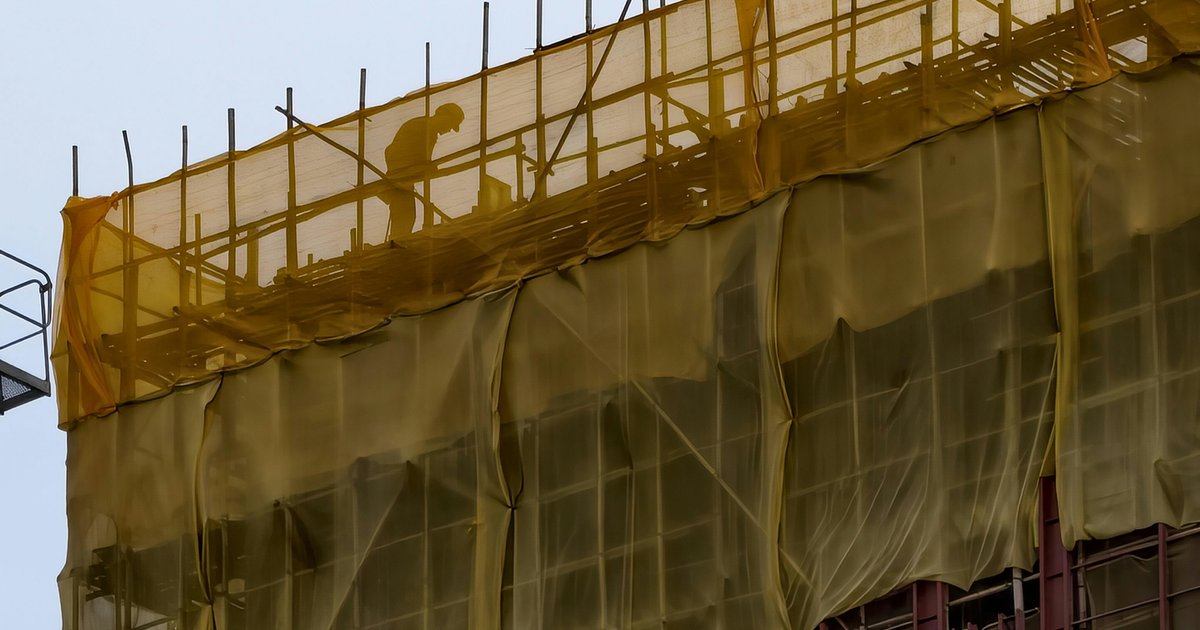
- Zhou Sijie, Chairman of the Hong Kong Construction Industry General Union, noted that some sites lack basic safety equipment such as independent lifelines for workers on external scaffolding
- Research indicates over 60% of accidents trace back to improper design; countries like Singapore with "Design for Safety" legislation report a mortality rate of 3.4 per 100,000 workers, compared to Hong Kong's 17.8 without such laws
- Multi-layered subcontracting drives down costs and creates management chaos, reducing resources available for safety measures
Why It Matters
Hong Kong's construction fatality rate of 17.8 per 100,000 workers is more than five times higher than Singapore's 3.4, highlighting the urgent need for systemic reforms including potential "Design for Safety" legislation and stricter enforcement of existing safety protocols . With thousands of workers daily operating in high-risk conditions due to weak safety awareness and inadequate systems, the industry faces mounting pressure to address both cultural and structural issues that contribute to preventable accidents and fatalities.
Hong Kong's construction fatality rate of 17.8 per 100,000 workers is more than five times higher than Singapore's 3.4, highlighting the urgent need for systemic reforms including potential "Design for Safety" legislation and stricter enforcement of existing safety protocols . With thousands of workers daily operating in high-risk conditions due to weak safety awareness and inadequate systems, the industry faces mounting pressure to address both cultural and structural issues that contribute to preventable accidents and fatalities.