Customs raids Sheung Shui drug warehouse, arrests two
HK01 · 4 SOURCESabout 1 hour ago2 MIN
Summary
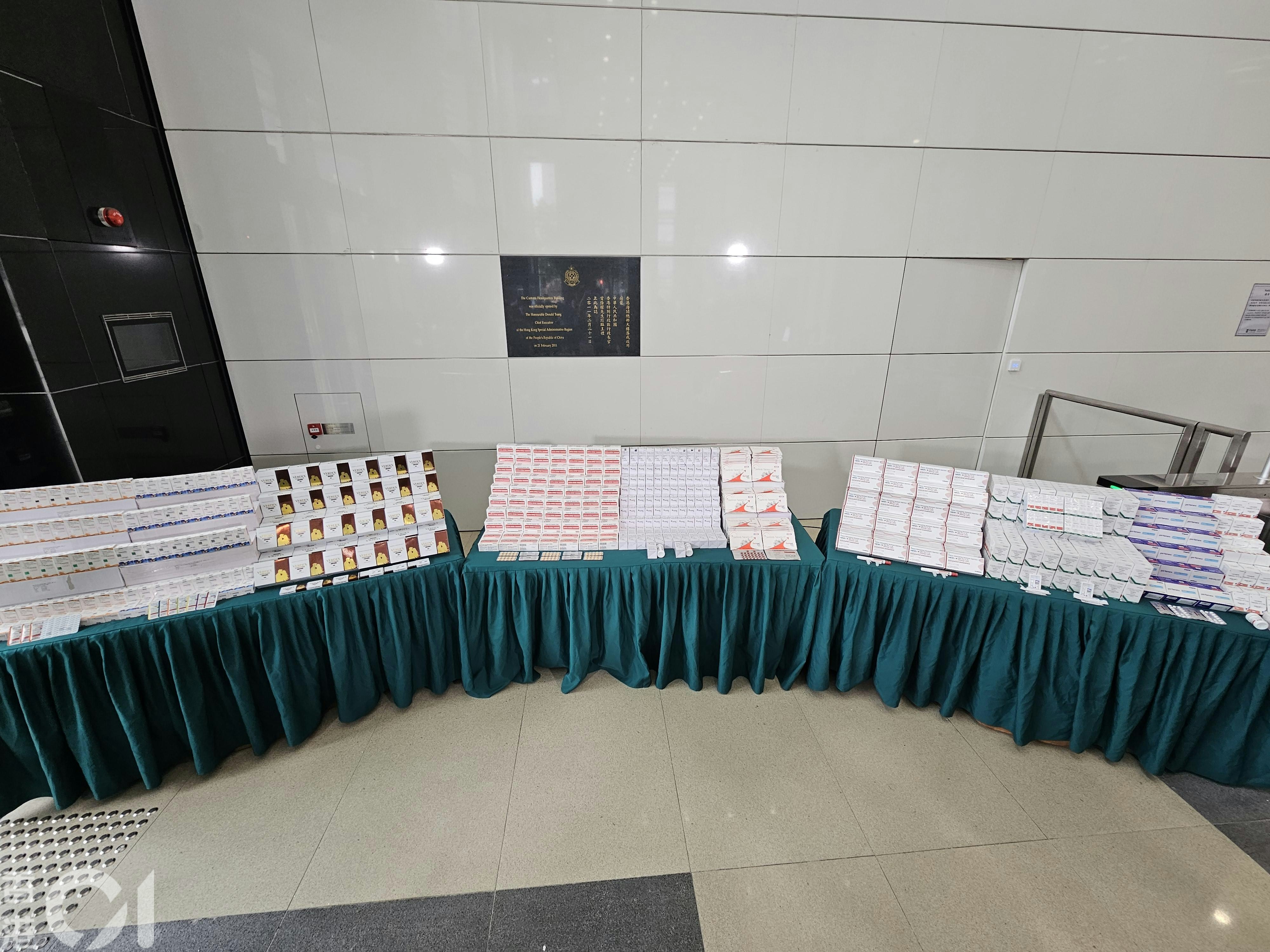
Hong Kong Customs said it had been monitoring strong demand for controlled pharmaceutical products and began a series of investigations in early August, eventually identifying an industrial building unit in Sheung Shui suspected of links to drug smuggling . Officers moved in yesterday and dismantled what they described as a storage and repackaging warehouse for smuggled controlled medicines, seizing more than 400,000 suspected pharmaceutical items with an estimated market value above HK$11 million . More than 60 per cent of the haul consisted of erectile dysfunction drugs, while the rest included anti-cancer medicines and other pharmaceutical products . Customs said the operation intercepted the products at source and believed none had entered the local market .
Key Points
- Two people were arrested at the scene: a 56-year-old woman identified as the consignee and a 51-year-old man who said he worked as a labourer .
- Both suspects were travelling on two-way permits, and Customs said it did not rule out further arrests as the investigation continues .
- Investigators found large quantities of cardboard boxes, adhesive tape and other packing materials, suggesting the unit was used to sort and repackage medicines for onward smuggling .
- Most seized products were labelled as containing Part 1 poisons, meaning their import, export, storage and sale are tightly regulated under Hong Kong law .
- Customs said the medicines were believed to have come mainly from South Asia, with one report saying India was the principal source, and officers are tracing how the goods entered Hong Kong .
Why It Matters
The case points to persistent demand for prescription-only and controlled medicines outside legal channels in Hong Kong, especially products such as erectile dysfunction drugs . Health authorities warned that medicines bought online or through informal sellers may have uncertain origins, improper storage conditions and unverified safety, quality and effectiveness . They also reminded the public that illegal sale or possession of unregistered pharmaceutical products and Part 1 poisons can lead to criminal penalties, while unlicensed import or export is also an offence .