New Zealand Proposes Under-16 Social Media Ban With Steep Fines
SingTao · 2 SOURCESabout 1 hour ago2 MIN
Summary
New Zealand Prime Minister Christopher Luxon announced on Monday that his party would introduce legislation in parliament to ban children under 16 from using social media, proposing substantial penalties for platforms that fail to comply. The proposed bill would mandate that social media companies implement age verification measures, potentially using facial recognition technology, existing account information, and digital identity documents. While the government argues the measure is necessary to protect children's mental health and wellbeing, the legislation faces significant obstacles as Luxon's own coalition partner, New Zealand First, has stated it will not support the bill.
Key Points
- Non-compliant social media platforms would face fines equivalent to 10 percent of their global revenue under the proposed legislation
- Platforms must implement reasonable age verification measures including facial recognition technology, existing account data, and digital identity documents
- Prime Minister Christopher Luxon stated the ban aims to protect children from harmful content, addictive technology, and pressures they cannot handle
- Coalition partner New Zealand First, led by Foreign Minister Winston Peters, will not support the bill and has called similar Australian legislation a "colossal failure"
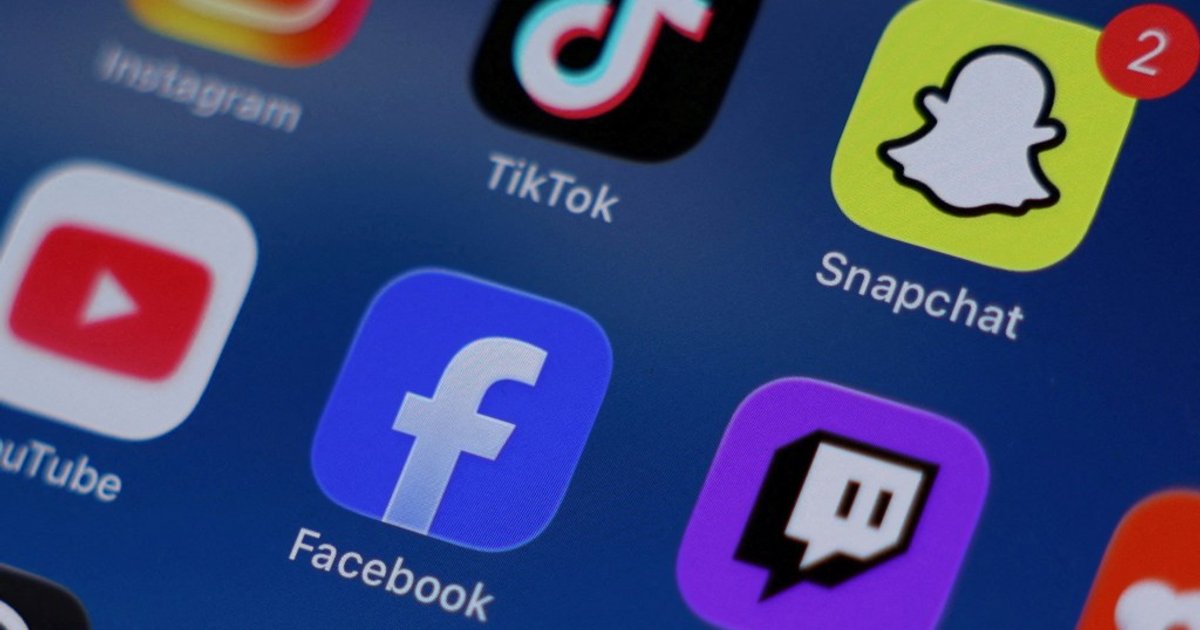
- Australia became the world's first country to implement such a ban in December, blocking children from TikTok, YouTube, Instagram, and Facebook
Why It Matters
This legislative proposal reflects a growing global movement among democracies to impose stricter regulations on technology companies regarding minors' access to their platforms. The outcome in New Zealand's parliament will be closely watched by other nations considering similar measures, particularly given the coalition government's internal divisions on the issue. If passed, the law could set a precedent for how democratic societies balance children's digital safety against concerns about government overreach and parental responsibility.
This legislative proposal reflects a growing global movement among democracies to impose stricter regulations on technology companies regarding minors' access to their platforms. The outcome in New Zealand's parliament will be closely watched by other nations considering similar measures, particularly given the coalition government's internal divisions on the issue. If passed, the law could set a precedent for how democratic societies balance children's digital safety against concerns about government overreach and parental responsibility.