Alibaba Stock Tumbles Below Placement Price; Management Steps In to Buy Shares
HK01 · 3 SOURCESabout 1 hour ago2 MIN
Summary
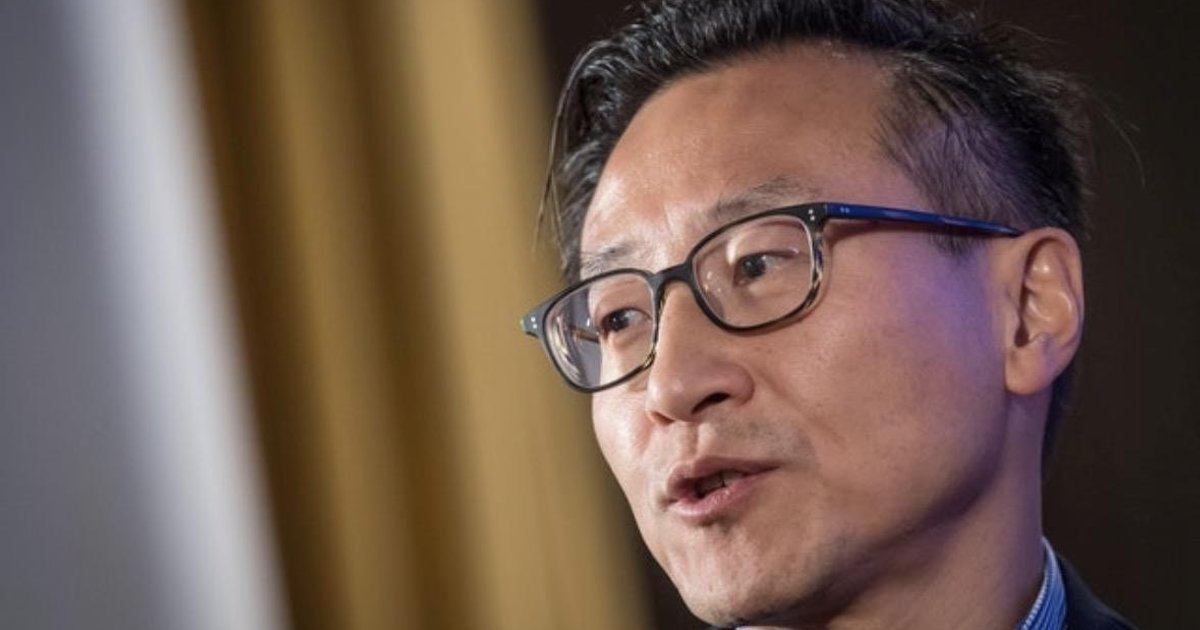
Alibaba's Hong Kong-listed shares (ticker: 9988) plummeted 8.5% to close at HK$112.5 on Wednesday (24th), falling below the HK$112.7 placement price set just hours earlier after the e-commerce and technology giant completed a massive secondary share offering raising HK$80 billion. The single-day market capitalisation loss exceeded HK$200 billion, with the intraday low touching HK$110.1, representing a 10.5% decline. In response, Alibaba's top management stepped in to purchase shares, with Chairman Joseph Tsai and CEO Wu Yongming together buying approximately HK$120 million worth of shares to demonstrate confidence in the company's prospects .
Key Points
- Alibaba priced 710 million new shares at HK$112.7 each, representing an 8.4% discount to the prior Hong Kong close and a 3.6% discount to the US ADR price, raising approximately HK$80 billion .
- The placement was underwritten by four major investment banks—China International Capital Corporation, HSBC, Morgan Stanley, and UBS—with a 90-day lock-up period, attracting nearly 3 times oversubscription and US$28 billion in demand .
- Sovereign wealth funds and long-term institutional investors accounted for approximately US$6 billion of the subscriptions, indicating continued confidence from major global investors .
- Chairman Joseph Tsai purchased 720,000 Hong Kong shares at an average price of HK$112 per share, totalling approximately HK$80 million, while CEO Wu Yongming acquired 350,000 shares at HK$111.6 per share for about HK$40 million .
- Guangxi Securities International strategist Kenneth Wu noted that the market's concern extends beyond the placement discount to whether Alibaba's massive AI investment plan of RMB 3,800 billion can generate sufficient returns within the projected three-year timeframe .
Why It Matters
The sharp post-placement decline reflects growing investor concerns about the wave of AI-related fundraising by major technology companies, with market participants questioning whether these massive capital expenditures can deliver timely returns . The rapid development of full-stack AI technology makes it difficult to accurately forecast profitability timelines, and with market sentiment remaining cautious toward large-cap tech fundraising, Alibaba's ability to successfully monetise its AI infrastructure investments will be a critical test for the company's valuation re-rating potential .
The sharp post-placement decline reflects growing investor concerns about the wave of AI-related fundraising by major technology companies, with market participants questioning whether these massive capital expenditures can deliver timely returns . The rapid development of full-stack AI technology makes it difficult to accurately forecast profitability timelines, and with market sentiment remaining cautious toward large-cap tech fundraising, Alibaba's ability to successfully monetise its AI infrastructure investments will be a critical test for the company's valuation re-rating potential .