60-Year-Old Coffee Supplier Cashes Out Fo Tan Industrial Unit for HK$39M
SingTao · 2 SOURCESabout 2 hours ago2 MIN
Summary
Tai Li Coffee, a beloved Hong Kong institution that has supplied coffee beans and Ceylon tea to local cha chaan tengs and tea stalls for over six decades, has completed a strategic exit from its Fo Tan industrial property holdings. The company sold two adjacent units on the 15th floor of Hip Hing Industrial Centre for a combined HK$38.989 million, representing a remarkable 95% gain on its original investment made in 2011. The buyer is connected to SML Group, a Hong Kong-founded technology giant that has transformed from a traditional label manufacturer into one of the world's three largest RFID tag and supply chain solutions providers for the fashion industry.
Key Points
- Tai Li Coffee, established in 1964, sold 15F B unit in March 2024 for HK$19.6 million (4,660 sq ft) and 15F A unit for HK$19.389 million (4,729 sq ft, HK$4,100 per sq ft)
- The company originally purchased both units together in 2011 for approximately HK$20 million, earning a combined profit of HK$18.989 million over 15 years
- SML Group, founded in 1985 by local entrepreneur Sun Siu-man, now serves major global brands including Uniqlo and Inditex (Zara's parent company) with RFID supply chain solutions
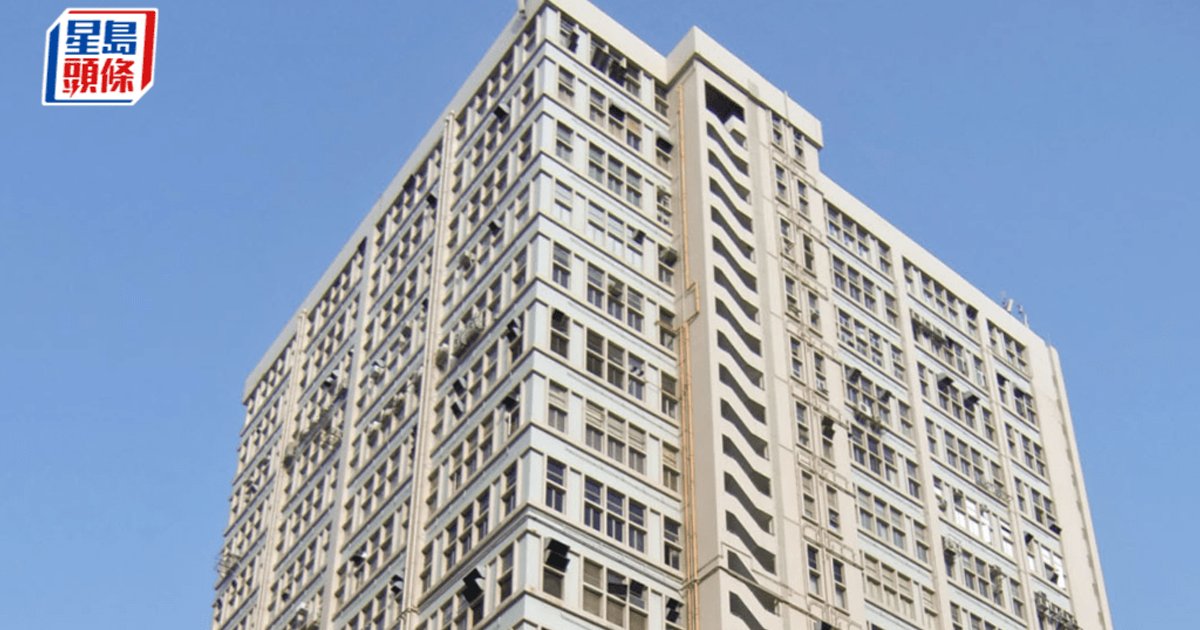
- The Hip Hing Industrial Centre, located at 27-31 Au Pui Wan Street, was completed in 1982, spans 16 floors, and features truck elevators providing direct access to upper floors
- SML's acquisition was driven by the property's proximity to Fo Tan MTR station, high practical efficiency, and seamless cargo loading capabilities via dedicated freight elevators
Why It Matters
This transaction illustrates how traditional industrial buildings in Hong Kong with strategic locations and robust logistics infrastructure continue to attract premium valuations, even as the city transitions toward a more technology-driven economy. The shift from a heritage food supplier to a global tech firm as the property owner reflects Hong Kong's evolving commercial landscape and the increasing convergence of physical infrastructure with digital supply chain solutions.
This transaction illustrates how traditional industrial buildings in Hong Kong with strategic locations and robust logistics infrastructure continue to attract premium valuations, even as the city transitions toward a more technology-driven economy. The shift from a heritage food supplier to a global tech firm as the property owner reflects Hong Kong's evolving commercial landscape and the increasing convergence of physical infrastructure with digital supply chain solutions.