Former aides recall Tung Chee-hwa’s leadership style
Bastillepost · 3 SOURCESabout 1 hour ago2 MIN
Summary
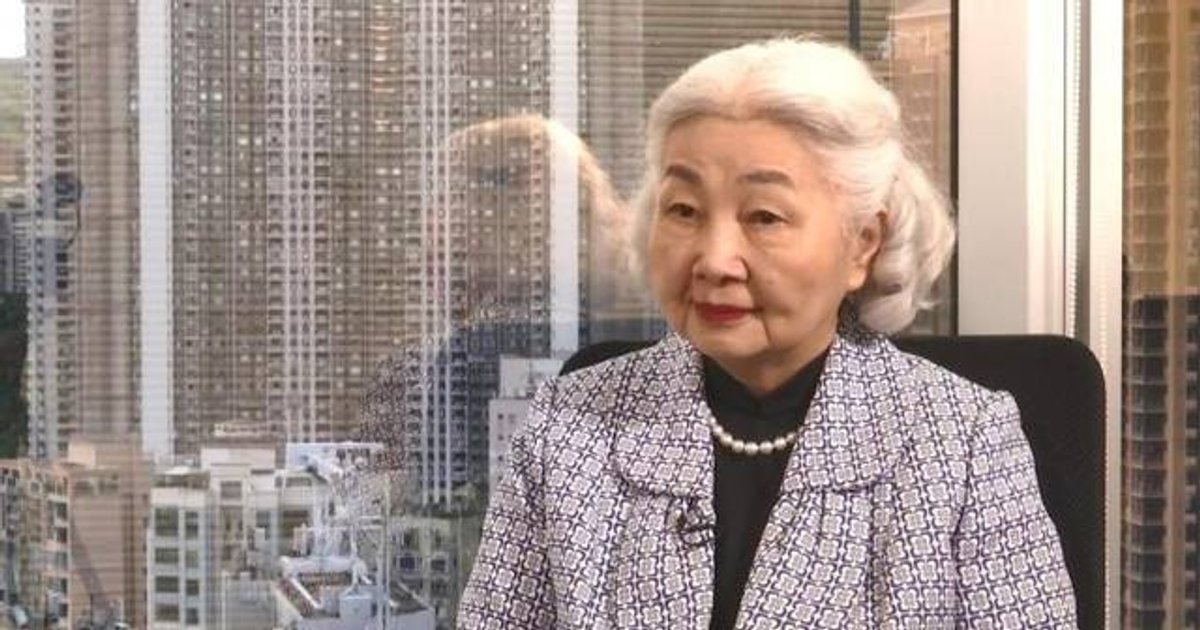
Former Hong Kong chief executive Tung Chee-hwa has been remembered by former senior officials as a leader who combined conviction with consultation after his recent death. Elsie Leung said he made decisions only after careful thought and was willing to hear different views, while Rita Fan Hsu Lai-tai highlighted his approachability, diligence and lack of personal grudges.
Key Points
- Speaking on a radio programme on Sunday, former secretary for justice Elsie Leung said Hong Kong faced severe difficulties in the early post-handover years, including weak confidence in “one country, two systems”.
- Leung said Tung did not govern heavy-handedly, and argued a leader should be “selfless, honest, without resentment and without regret”, while standing firm on decisions made after deep consideration.
- She also said Tung was far-sighted, listened to others and had Beijing’s support, adding that the SAR government was highly transparent and even consulted the opposition before major matters such as NPCSC interpretations.
- Rita Fan, who headed the office of the chief executive-designate before the 1997 handover, said Tung was approachable, hardworking and without class barriers, and that his leadership inspired colleagues to work day and night.
- Fan said Tung was focused on issues rather than personal animosity, did not hold grudges and remained respected by many in the democratic camp; she also said he protected education spending even during fiscal cuts.
- Separately, Executive Council member during Tung’s administration Tam Yiu-chung said Tung had deep patriotic commitment, broad vision and early insight into innovation, technology and Chinese medicine development
- Tam said Tung promoted the “Lifeline Express” eye hospital train for cataract patients in poor mainland areas, with 250,000 people benefiting so far, and later continued intervening in major Hong Kong issues through think tanks and alliances
Why It Matters
The recollections add to the public assessment of Tung’s legacy at a time when Hong Kong is revisiting the political choices and governing style of its early post-1997 years. They also revive debate over how his administration balanced consultation, ties with Beijing and long-term policy priorities such as education, innovation and integration with national development.