Queen Elizabeth Hospital Uses VR to Help Terminally Ill Patients Revisit Cherished Memories
AM730 · 2 SOURCESabout 1 hour ago2 MIN
Summary
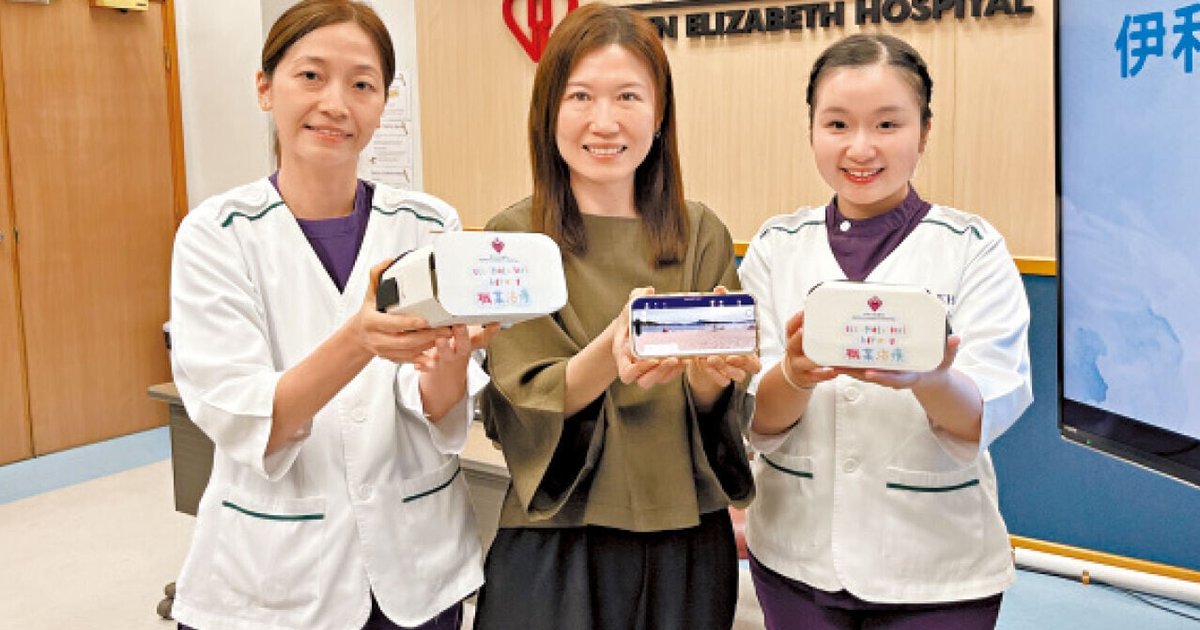
Queen Elizabeth Hospital's occupational therapy department launched a personalized VR program for palliative care patients in 2025. Therapists visit patients' most cherished locations during off-hours to film immersive 360-degree videos, which patients view using inexpensive cardboard VR headsets. The initiative has helped over 20 terminally ill patients fulfill their final wishes. Research on 15 patients showed measurable improvements in pain and anxiety scores.
Key Points
- Program launched in 2025, with over 20 late-stage patients receiving personalized VR experiences to revisit places they can no longer physically access .
- Therapists use smartphones and stabilizers to capture panoramic footage during personal time, creating VR videos for approximately HK$10 per cardboard headset .
- Analysis of 15 patients revealed average pain scores dropped from 4.5 to 3.0 (moderate to mild), while anxiety scores fell from 5.5 to 3.8 .
- An 80-year-old patient with severe chronic lung disease, formerly a housing estate mutual aid committee chairman, watched footage of his estate including a stone path he helped establish, becoming visibly energized .
- A 59-year-old bedridden terminal cancer patient, paralyzed from the waist down, received a VR film of Lung Kwu Tan beach where she used to walk with her husband, allowing her to relive precious memories .
Why It Matters
This innovative program demonstrates how low-cost technology can address the psychological needs of terminally ill patients who are confined to hospital beds. The measurable improvements in both pain and anxiety suggest that fulfilling emotional wishes has tangible therapeutic value alongside traditional medical treatment. The initiative could serve as a model for other hospitals seeking to enhance palliative care quality for patients facing their final journey.
This innovative program demonstrates how low-cost technology can address the psychological needs of terminally ill patients who are confined to hospital beds. The measurable improvements in both pain and anxiety suggest that fulfilling emotional wishes has tangible therapeutic value alongside traditional medical treatment. The initiative could serve as a model for other hospitals seeking to enhance palliative care quality for patients facing their final journey.