Target Removes Halloween Costume After Racial Discrimination Allegations
SingTao · 1 SOURCESabout 1 hour ago2 MIN
Summary
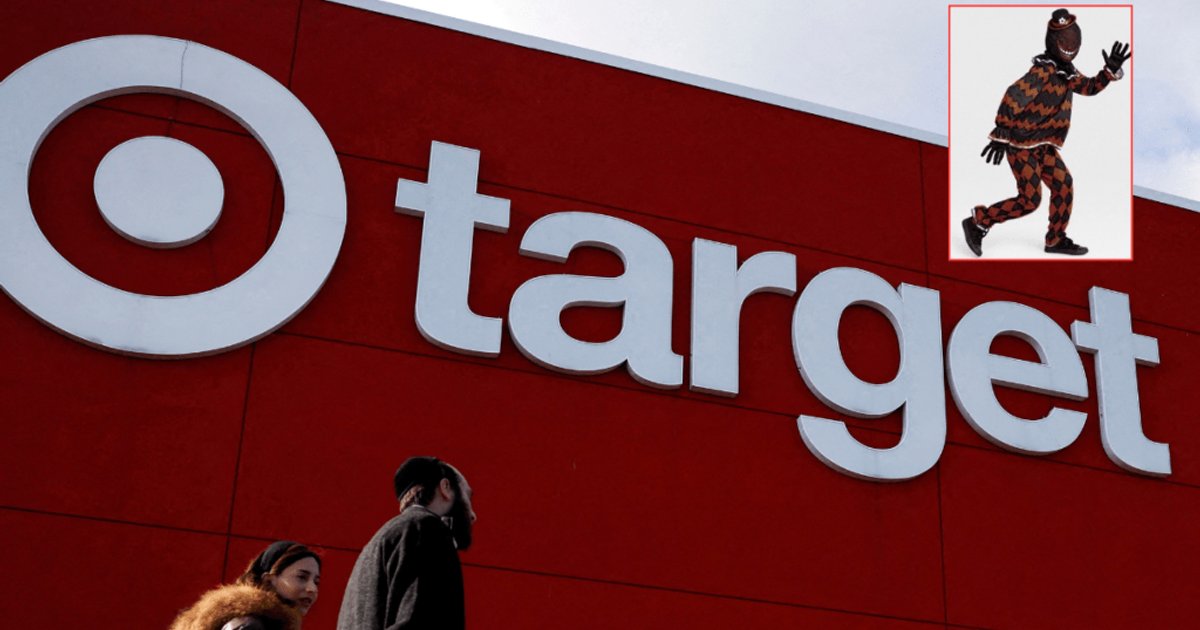
American retail giant Target has issued a formal apology and removed a Halloween children's clown costume after intense criticism that the product's design and promotional imagery evoked racist Blackface stereotypes from America's minstrel show era. The product, priced at $25, was part of Target's seasonal private label brand Hyde & EEK! Boutique and featured a black hood, orange and black geometric patterns, and white grinning face design. The controversy intensified when social media users compared the promotional photo of a Black boy model posing in the costume to historical photographs of minstrel show performers. Target stated it is reviewing its product sourcing and approval processes to prevent similar incidents, though the company declined to disclose details about the designer or internal approval process.
Key Points
- The controversial product was called "Kids' Glows Under Blacklight Circus Clown Halloween Costume," priced at $25 USD, part of Target's Hyde & EEK! Boutique seasonal brand
- Promotional photos featured a Black boy model in a pose critics said replicated 19th century minstrel show performers who wore Blackface to mock Black Americans
- Target issued an apology on Monday, October 24, acknowledging the costume was offensive and should never have been part of their product lineup
- Minneapolis business leader Sheletta Brundidge criticized Target, suggesting the mistake resulted from the company's decision to scale back DEI policies in 2025
- Public reaction remained divided, with some arguing it was merely a standard clown costume while others emphasized the historical context of Blackface imagery
Why It Matters
This incident highlights the ongoing challenges retailers face in navigating racial sensitivity during product development, particularly with seasonal merchandise. For Hong Kong consumers familiar with Target's international operations, the controversy underscores how companies must balance creative marketing with cultural awareness, especially when operating in diverse markets where historical context shapes customer expectations .
This incident highlights the ongoing challenges retailers face in navigating racial sensitivity during product development, particularly with seasonal merchandise. For Hong Kong consumers familiar with Target's international operations, the controversy underscores how companies must balance creative marketing with cultural awareness, especially when operating in diverse markets where historical context shapes customer expectations .