FDA Approves Revolutionary Pancreatic Cancer Drug Doubling Patient Survival
SingTao · 1 SOURCESabout 1 hour ago2 MIN
Summary
The U.S. Food and Drug Administration approved a groundbreaking pancreatic cancer drug on Wednesday, marking the first targeted therapy to broadly inhibit RAS proteins that fuel cancer cell growth. Clinical trial data showed patients taking daraxonrasib survived nearly twice as long as those receiving standard chemotherapy, offering new hope for one of the deadliest cancers with limited treatment options. The medication received accelerated approval over six months ahead of schedule.
Key Points
- FDA approved daraxonrasib on Wednesday for metastatic pancreatic cancer, becoming the first therapy broadly targeting RAS proteins
- Clinical trials demonstrated median survival of 13.2 months versus 6.7 months for chemotherapy, nearly doubling patient life expectancy
- The drug reduced death risk by 60% compared to traditional chemotherapy, with over 90% of pancreatic cancers carrying RAS mutations
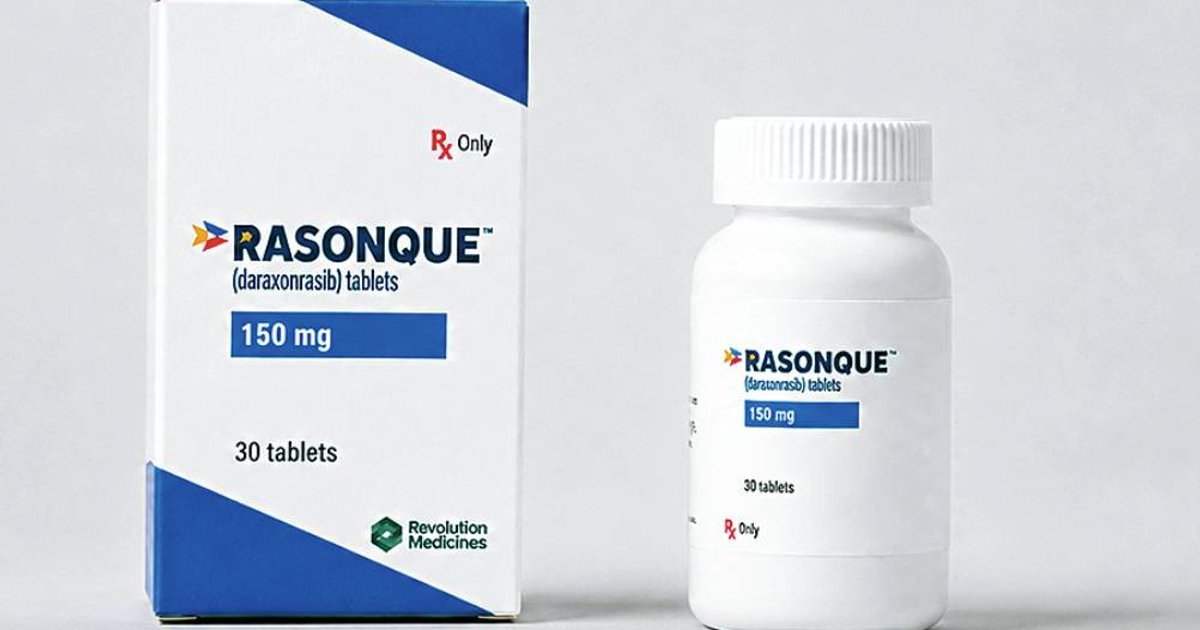
- Revolution Medicines will market the daily oral medication under the brand name Rasonque at $39,800 wholesale per 30-day supply
- CEO Goldsmith described the results as "unprecedented," noting no prior Phase 3 pancreatic cancer trial showed over one year survival benefit
Why It Matters
This approval represents the first major advancement in targeted therapy for pancreatic cancer in years, a disease with a five-year survival rate of just 12% that has historically seen limited treatment innovation. The drug's mechanism targeting RAS proteins may also pave the way for treating other cancers with similar genetic profiles, potentially transforming oncology care beyond pancreatic cancer.
This approval represents the first major advancement in targeted therapy for pancreatic cancer in years, a disease with a five-year survival rate of just 12% that has historically seen limited treatment innovation. The drug's mechanism targeting RAS proteins may also pave the way for treating other cancers with similar genetic profiles, potentially transforming oncology care beyond pancreatic cancer.