Dark Truth Behind Japan's Inunomaru Tunnel: Brutal 1988 Murder Replaces Urban Legend
Bastillepost · 1 SOURCESabout 1 hour ago6 MIN
Summary
The Inunomaru Tunnel, located deep in the mountains of Miyawaka City in Fukuoka Prefecture, Japan, has transformed from a forgotten infrastructure relic into a viral sensation among overseas urban explorers and horror enthusiasts seeking thrill-seeking content. While popular culture, including director Takashi Shimizu's film "Inunomaru Village" from the "Ju-On" franchise, has romanticized the site as a lawless神秘 realm, the reality tells a far darker story rooted in an actual tragedy that devastated the local community.
Key Points
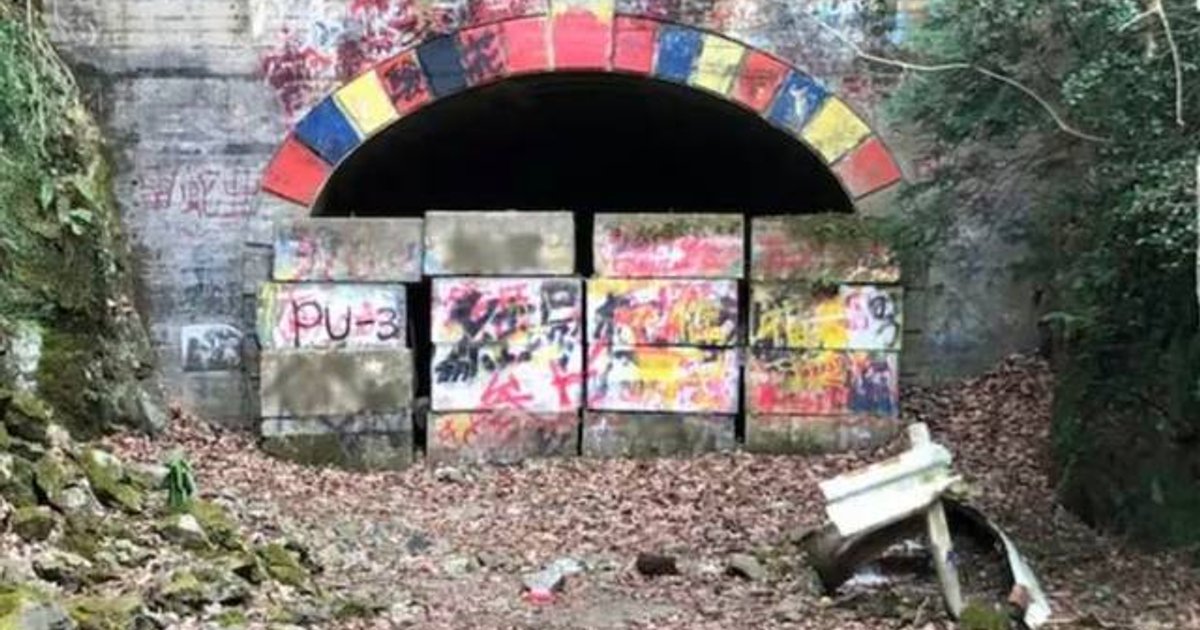
- The tunnel, officially known as the Old Inunomaru Tunnel, was permanently sealed in concrete after a brutal murder in December 1988, when 20-year-old factory worker Umeyama Koichi was kidnapped by five juvenile delinquents demanding his car, beaten, and set ablaze with gasoline near the tunnel area
- Following the tragic incident and concerns about structural deterioration with potential collapse risks, authorities blocked all tunnel entrances with concrete barriers and installed surveillance equipment to prevent future tragedies and ensure public safety
- Despite official warnings and barriers, foreign tourists continue to scale fences and enter the restricted area to capture content for social media, with such actions constituting violations of Japan's Minor Offences Law
- The urban legend surrounding the tunnel, including the fictitious "Inunomaru Village" supposedly beyond Japanese jurisdiction, was largely fabricated by online communities rather than reflecting any historical or cultural reality
- Local residents of Miyawaka City view the repeated trespassing and commercial exploitation of their community's traumatic past as a form of disrespect, as the tunnel site represents a painful memory rather than an entertainment venue
Why It Matters
For Hong Kong travelers, this case highlights the importance of distinguishing between fictional horror narratives and actual sacred or tragic sites when seeking authentic Japanese experiences. Trespassing into restricted areas not only risks criminal prosecution but also inflicts cultural wounds on local communities who must repeatedly witness their grief being trivialized for online engagement. Thoughtful travel that respects local sentiments ultimately leads to more meaningful cultural exchanges than adrenaline-fueled adventures built on others' suffering.
For Hong Kong travelers, this case highlights the importance of distinguishing between fictional horror narratives and actual sacred or tragic sites when seeking authentic Japanese experiences. Trespassing into restricted areas not only risks criminal prosecution but also inflicts cultural wounds on local communities who must repeatedly witness their grief being trivialized for online engagement. Thoughtful travel that respects local sentiments ultimately leads to more meaningful cultural exchanges than adrenaline-fueled adventures built on others' suffering.