Chubu Electric Execs Quit Over Nuclear Plant Quake Data Scandal
SCMP · 2 SOURCES39 minutes ago2 MIN
Summary
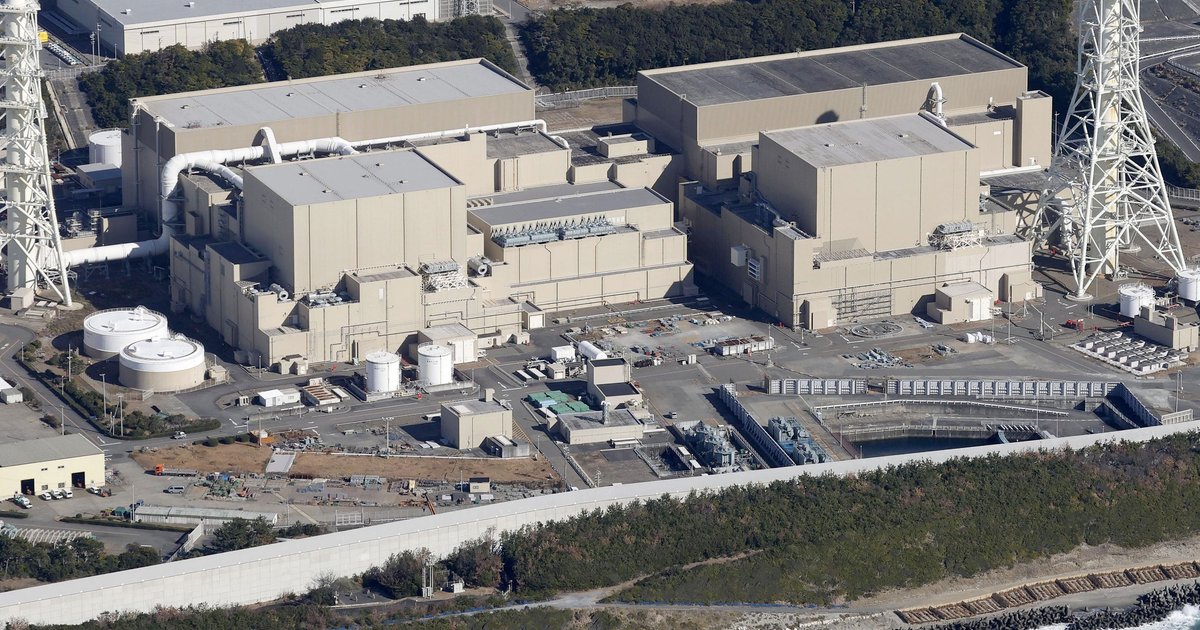
Chubu Electric Power's top two executives stepped down on Monday over a scandal involving falsified earthquake risk data for the Hamaoka nuclear plant in central Japan's Shizuoka Prefecture. President Kingo Hayashi and Chairman Satoru Katsuno will resign after an independent committee found that management pressure contributed to the data manipulation, which began around 2012 and continued through their tenures. The utility will withdraw its applications to restart the Nos. 3 and 4 reactors as it attempts to rebuild trust following the revelation that earthquake risks were systematically underestimated .
Key Points
- President Kingo Hayashi and Chairman Satoru Katsuno announced their resignations on Monday, accepting responsibility for the seismic data falsification scandal
- Chubu Electric will withdraw applications to restart the Nos. 3 and 4 reactors at the Hamaoka nuclear plant in Shizuoka Prefecture
- An independent panel's 250-page report released Monday found that management reprimands over restart delays created undue pressure on staff, contributing to the misconduct
- The data falsification began around 2012 at the latest and continued while Chairman Satoru Katsuno served as president from 2015-2020
- Internal whistle-blower reports were filed in 2019 and 2021 but were not handled appropriately by the company
Why It Matters
The scandal strikes at a sensitive time for Japan's nuclear energy policy, as the country seeks to revive nuclear power 15 years after the 2011 Fukushima disaster. The Hamaoka plant sits in an area considered vulnerable to a potential "megaquake," making accurate seismic assessment critical for public safety and regulatory approval . The resignation of top executives and withdrawal of restart applications signal that Japan must strengthen compliance frameworks if it hopes to meet its nuclear revival targets.
The scandal strikes at a sensitive time for Japan's nuclear energy policy, as the country seeks to revive nuclear power 15 years after the 2011 Fukushima disaster. The Hamaoka plant sits in an area considered vulnerable to a potential "megaquake," making accurate seismic assessment critical for public safety and regulatory approval . The resignation of top executives and withdrawal of restart applications signal that Japan must strengthen compliance frameworks if it hopes to meet its nuclear revival targets.