Japanese Kids Earn Squishy Toys by Doing Chores Amid Squeeze Toy Craze
Bastillepost · 1 SOURCESabout 1 hour ago7 MIN
Summary
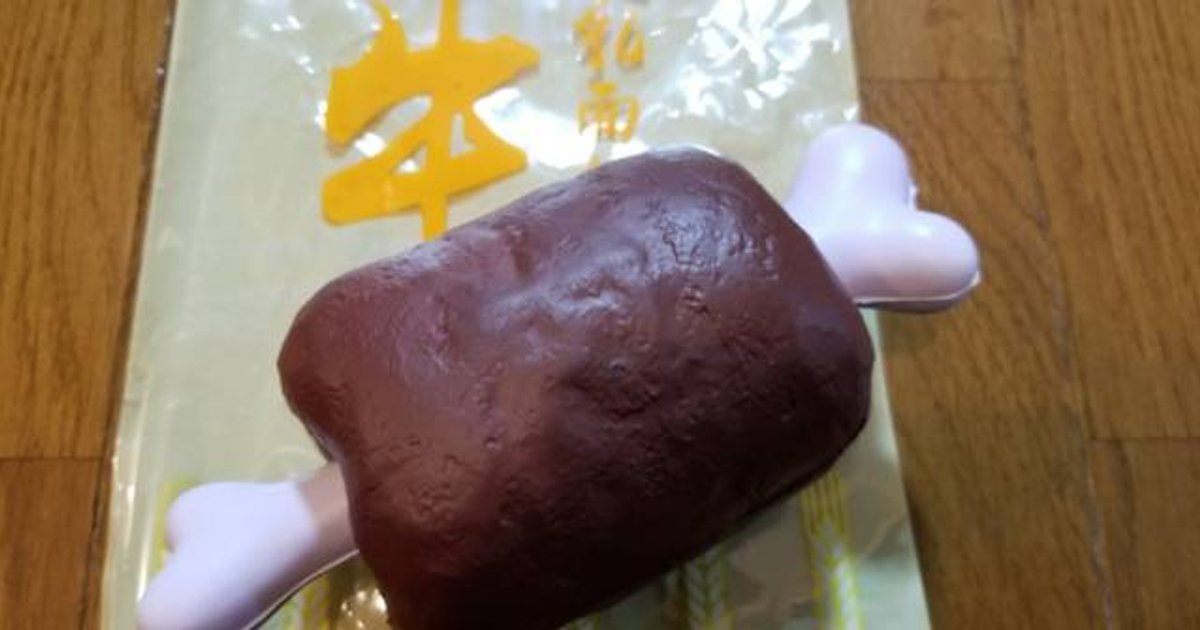
Japanese elementary school children have become deeply obsessed with squeeze toys, with some going so far as to do household chores like cooking and cleaning toilets to purchase them. A survey in Toyama City found one second-grader who has accumulated approximately 70 such toys and told reporters she could not survive without them. A stress research expert from Meiji University has identified four key psychological reasons for this phenomenon, emphasizing that tangible touch offers unique comfort in today's digitally saturated world.
Key Points
- Squeeze toys made from polyurethane and silicone have captivated Japanese schoolchildren, with prices ranging from 300 yen (approximately 14 Hong Kong dollars) to 2,600 yen (approximately 128 Hong Kong dollars)
- Akari, a second-grader in Toyama City, has collected about 70 squeeze toys with her younger sister En, with Akari declaring she would be unable to live without them
- Akari's first-grade brother Rito earns his toys by helping with cooking and cleaning bathrooms, demonstrating the extent of children's dedication to acquiring these items
- Fourth-grade students receive squeeze toys as rewards after dental appointments, with the items described as nearly ubiquitous among children
- Meiji University Law Professor Horita Shugo identifies four reasons for the popularity: sense of security, healing effects, seeking new tactile stimuli, and stress relief
Why It Matters
The squeeze toy phenomenon reveals how physical sensation has become a form of luxury in an era dominated by digital interactions. Professor Horita notes that the optimal times to use these toys are when the brain is most fatigued at night and before periods requiring concentration. This trend suggests that as screens increasingly mediate young people's experiences, tangible objects offering genuine tactile feedback may serve as important emotional anchors for developing minds.
Popular Items Among Children
According to local retailers, the three most popular squeeze toys are: the mini cat paw keychain in third place, the bread-shaped slow-bounce toy in second place, and the smooth candy-shaped silicone squeeze toy ranking first in popularity
Expert Psychological Analysis
Professor Horita explains that the soft, slow-rebounding texture of these toys resembles human skin, triggering潜意识 associations with maternal touch and childhood memories that provide a sense of calm. The gradual recovery motion after squeezing creates a soothing effect, while digital-native children actively seek the novel physical experiences that real objects provide. One child revealed that holding her squeeze toy when alone at night significantly reduced her anxiety, a sentiment her mother found both surprising and reassuring
The squeeze toy phenomenon reveals how physical sensation has become a form of luxury in an era dominated by digital interactions. Professor Horita notes that the optimal times to use these toys are when the brain is most fatigued at night and before periods requiring concentration. This trend suggests that as screens increasingly mediate young people's experiences, tangible objects offering genuine tactile feedback may serve as important emotional anchors for developing minds.
Popular Items Among Children
According to local retailers, the three most popular squeeze toys are: the mini cat paw keychain in third place, the bread-shaped slow-bounce toy in second place, and the smooth candy-shaped silicone squeeze toy ranking first in popularity
Expert Psychological Analysis
Professor Horita explains that the soft, slow-rebounding texture of these toys resembles human skin, triggering潜意识 associations with maternal touch and childhood memories that provide a sense of calm. The gradual recovery motion after squeezing creates a soothing effect, while digital-native children actively seek the novel physical experiences that real objects provide. One child revealed that holding her squeeze toy when alone at night significantly reduced her anxiety, a sentiment her mother found both surprising and reassuring