Han Lacquer Tray Brings Ancient Dining Culture to Hong Kong
SingTao · 1 SOURCESabout 2 hours ago2 MIN
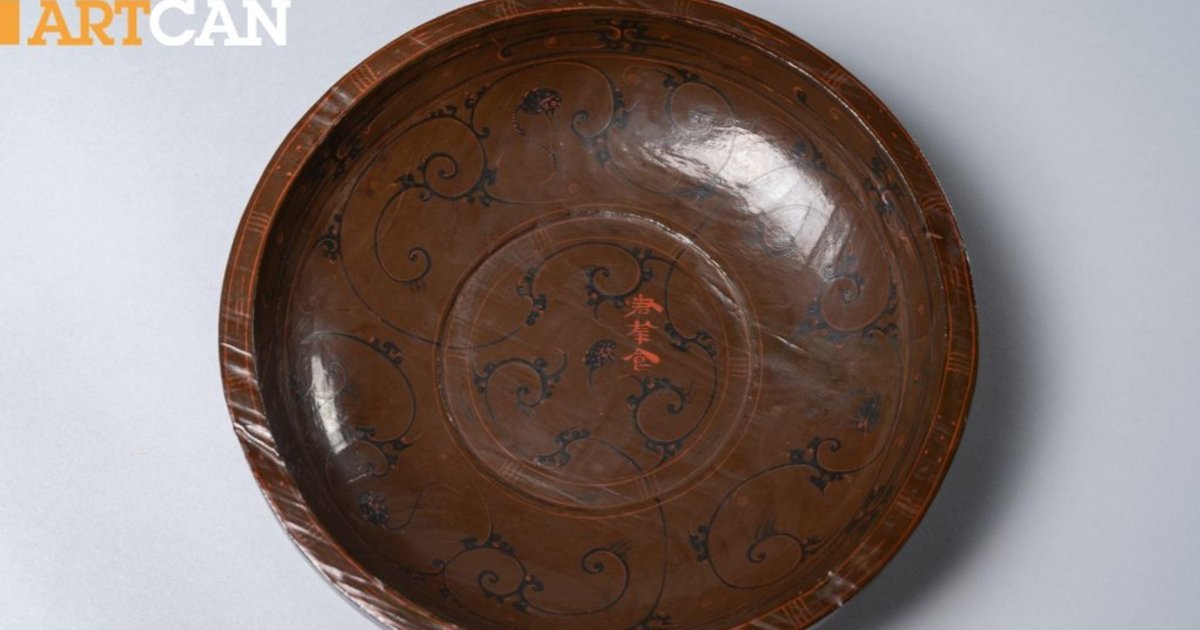
Summary
The exhibition Han Style Magnificence at the Hong Kong Heritage Discovery Centre has drawn attention to a lacquer food tray from the Mawangdui tombs bearing the inscription “Jun Xing Shi,” or a blessing akin to “enjoy your meal” . The artifact, shown in Hong Kong as one of 30 excavated trays, is presented as a window into Han dynasty food culture, where meals expressed etiquette, artistry and aspirations for a good life .
Key Points
- The writer went straight through several exhibition sections and more than 100 artifacts to find the “Jun Xing Shi” tray in a far corner .
- The tray was excavated from the Mawangdui ancient tombs, and the Hong Kong display features only one of 30 unearthed examples .
- After at least two visits to Changsha on Hunan Museum closure days and another during expansion works, the first viewing happened in Hong Kong .
- In Han usage, “Jun” was an honorific, “Xing” conveyed a wish for ease and enjoyment, and “Shi” referred to earthly nourishment .
- The same exhibition also shows a lacquer ear cup inscribed “Jun Xing Jiu,” reflecting the Han practice of individualized dining and drinking vessels .
Why It Matters
The tray illustrates how the Han dynasty’s prosperity, especially during the reigns of Emperors Wen and Jing, supported advances in agriculture, cooking and a more diversified diet after Zhang Qian’s opening of routes to the Western Regions . Its red-and-black lacquer, cloud motifs, cinnabar inscription and cat imagery also show that dining ware in early China carried ritual meaning, artistic value and everyday cultural ideals, not just practical use .