Cyberport Luxury Estate Saves HK$1 Billion with Tech-Driven Maintenance Model
SingTao · 1 SOURCESabout 1 hour ago5 MIN
Summary
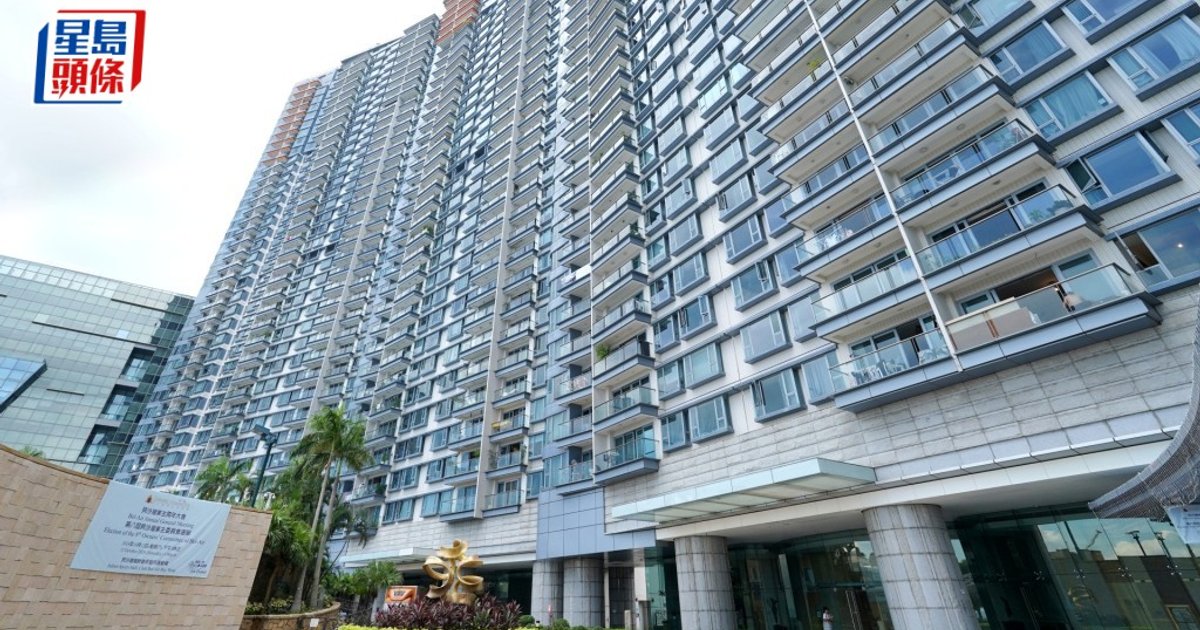
Residence Bel-Air, a landmark luxury estate in Hong Kong's Southern District, has implemented a big data and innovation technology-driven property asset maintenance solution named "Homegevity," achieving savings exceeding HK$1 billion in repair expenses for the estate . The average household has saved up to HK$380,000 . Howard Hett (哈永安), a Bel-Air owner and former CEO of AsiaWorld-Expo, spearheaded the initiative and shared details on a radio program on July 9, expressing hope that this success would open doors for the industry and other estates to adopt new thinking in building maintenance management .
Key Points
- The "Homegevity" program, combining "Home" and "Longevity," was developed over three years in collaboration with a Japanese company and Hett's former colleagues with relevant technical expertise .
- Hett introduced a "building doctor" model, advocating for dedicated professionals to monitor building conditions and adapting large-scale infrastructure management systems for private residential use .
- The biggest challenge during implementation was not the technology itself, but navigating the estate's ecosystem and communicating with owners, according to Hett .
- Hett criticized the traditional mindset of many old building owners who focus on short-term savings, noting that such penny-pinching ultimately leads to repair costs several times higher in the long run .
- The initiative employs big data and innovation technology to replace subjective judgment, enabling precise assessment of facility lifespans and shifting focus toward preventive maintenance .
Why It Matters
Hong Kong's aging building stock poses an increasingly urgent challenge, with traditional large-scale repair projects often becoming a major financial burden for owners across the city . If Residence Bel-Air's model gains wider adoption, it could establish new industry standards for technology-based building inspection and create a viable alternative to the conventional reactive repair cycle that has long plagued Hong Kong's residential market .
Hong Kong's aging building stock poses an increasingly urgent challenge, with traditional large-scale repair projects often becoming a major financial burden for owners across the city . If Residence Bel-Air's model gains wider adoption, it could establish new industry standards for technology-based building inspection and create a viable alternative to the conventional reactive repair cycle that has long plagued Hong Kong's residential market .