Evergrande Subsidiary Files Voluntary Liquidation Petition, Hearing Set for Nov 4
SingTao · 3 SOURCESabout 1 hour ago2 MIN
Summary
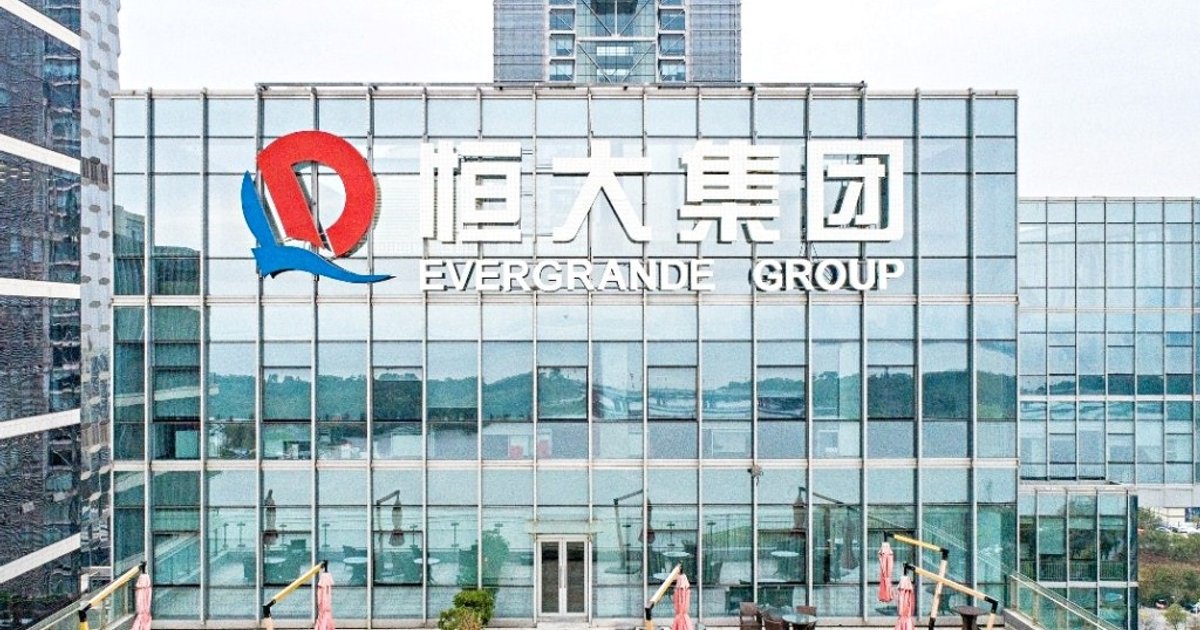
China Evergrande Group, which has already been placed under court-ordered liquidation, saw its subsidiary Evergrande Industrial Holdings Limited file a voluntary liquidation petition at the High Court on September 19. The case has been scheduled for November 4, with the petition documents remaining sealed from public scrutiny, leaving the subsidiary's financial obligations undisclosed .
Key Points
- Evergrande Industrial Holdings Limited (Evergrande Industrial Holdings Limited) submitted a self-initiated liquidation petition to the High Court on September 19
- The case has been assigned case number HCCW 659/2026 and is scheduled for hearing on November 4
- The petition documents are non-public, preventing the public from accessing the subsidiary's actual debt situation
- Evergrande Industrial Holdings is a subsidiary of China Evergrande Group, which has already been ordered into liquidation
- Court journalist Liu Xiaoxi reported on the case from the judicial institution
Why It Matters
The voluntary liquidation filing by a key Evergrande subsidiary underscores the continued unraveling of China's most indebted property developer, with over US$300 billion in total liabilities. The sealed nature of the petition documents highlights the sensitivity surrounding the group's financial disclosures, as creditors worldwide await clarity on potential asset recovery. This case will set an important precedent for cross-border debt recovery involving mainland Chinese property developers in Hong Kong courts.
The voluntary liquidation filing by a key Evergrande subsidiary underscores the continued unraveling of China's most indebted property developer, with over US$300 billion in total liabilities. The sealed nature of the petition documents highlights the sensitivity surrounding the group's financial disclosures, as creditors worldwide await clarity on potential asset recovery. This case will set an important precedent for cross-border debt recovery involving mainland Chinese property developers in Hong Kong courts.