Australia Reports First H5N1 Bird Flu Detection in Sea Lion on Kangaroo Island
Bastillepost · 2 SOURCESabout 1 hour ago2 MIN
Summary
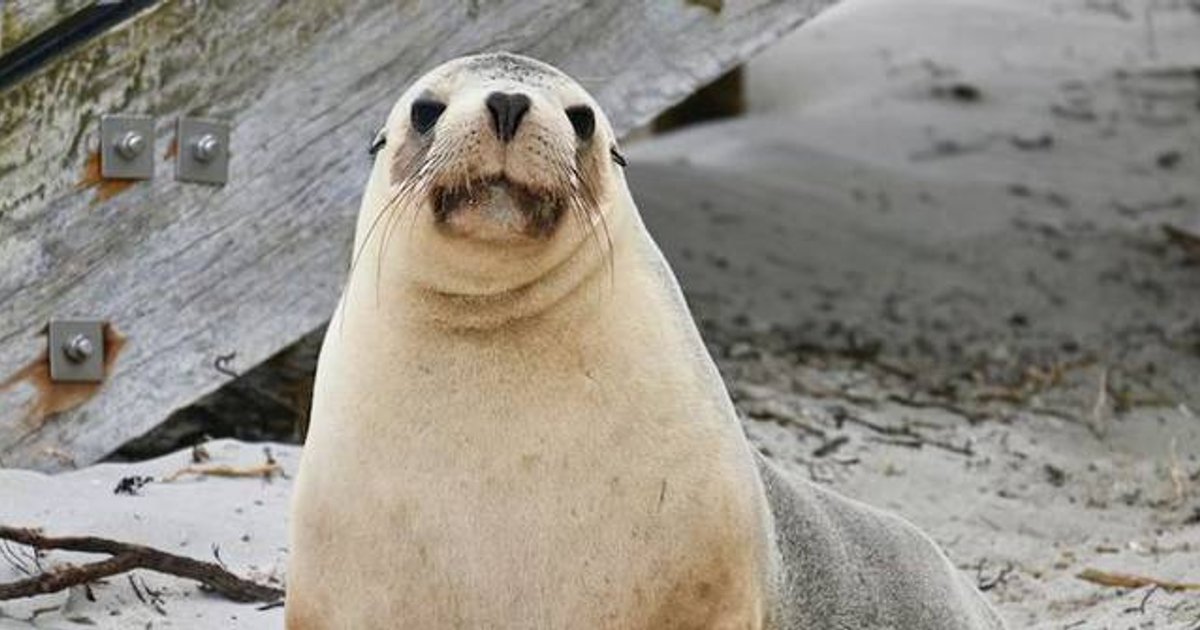
Australia has recorded its first case of H5N1 highly pathogenic avian influenza in an Australian sea lion, discovered dead in Seal Bay on Kangaroo Island, South Australia, on September 11, 2026. South Australia Environment Minister Emily Bourke confirmed the H5N1 detection, noting the animal had been monitored for three months after sustaining shark bite wounds before succumbing to the virus during its recovery period. With fewer than 12,000 Australian sea lions remaining in the wild, scientists are concerned about the potential impact on one of the world's most endangered pinniped species.
Key Points
- The infected sea lion was found dead on Friday, September 11, 2026, in Seal Bay on Kangaroo Island, the third-largest habitat for Australian sea lions .
- South Australia Environment Minister Emily Bourke announced the H5N1 detection and revealed the animal had been wounded by a shark attack three months prior .
- Australia has confirmed a total of 521 animal H5N1 infections nationwide, with approximately half occurring in South Australia .
- The wild Australian sea lion population is estimated at fewer than 12,000 individuals, possibly under 10,000, with 85 percent residing in South Australia .
- Minister Bourke noted that previous H5N1 cases in mammals have been documented, and sea lions represent the rarest pinniped species in Australian waters .
Why It Matters
The detection of H5N1 in Australian sea lions marks a concerning expansion of the virus to yet another marine mammal species, particularly one already teetering on the brink of extinction. While the infected sea lion likely contracted the virus during its immunocompromised recovery from shark wounds, any spillover into the small remaining population of approximately 12,000 individuals could accelerate the species' decline. This development also adds to growing global concerns about H5N1's increasing host range, as the virus continues to demonstrate its capacity to cross species barriers .
The detection of H5N1 in Australian sea lions marks a concerning expansion of the virus to yet another marine mammal species, particularly one already teetering on the brink of extinction. While the infected sea lion likely contracted the virus during its immunocompromised recovery from shark wounds, any spillover into the small remaining population of approximately 12,000 individuals could accelerate the species' decline. This development also adds to growing global concerns about H5N1's increasing host range, as the virus continues to demonstrate its capacity to cross species barriers .