PolyU Develops AI Virtual Patient System with Digital Twin for Precision Cancer Care
SingTao · 1 SOURCESabout 1 hour ago5 MIN
Summary
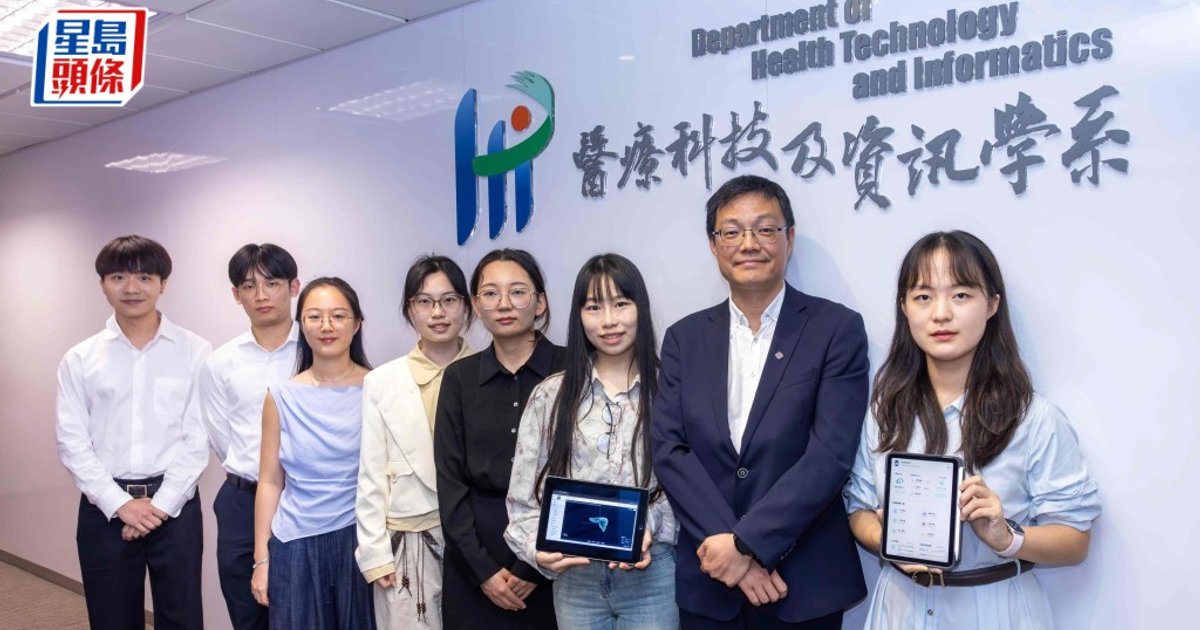
Polytechnic University (PolyU) researchers have unveiled an AI-driven virtual patient simulation system designed to transform precision medicine for cancer and critical illness patients . The system, led by Associate Professor Chan Wing-chi from the Department of Health Technology and Informatics, creates dynamic digital twin models that continuously update with patients' real-time health data . By integrating genetic information, medical imaging, and clinical records, the platform provides AI-powered support for clinical diagnosis, long-term monitoring, and treatment effectiveness evaluation . The research findings were published in the international journal Medical Image Analysis .
Key Points
- Unlike conventional medical AI tools that rely on single data sources like CT scans or static medical histories, this system employs a patient-centric digital twin architecture that dynamically adapts to病情變化
- The platform includes a healthcare provider interface and a mobile application enabling patients to upload medical records, log daily symptoms, and monitor their own health progress
- An encrypted "deep feature 2D barcode" system allows secure transmission of medical records between different healthcare institutions while protecting patient privacy
- The ViGNet (Vision-Global Relationship Fusion Network) technology combines histopathology image features, gene expression data, and clinical text to predict immunotherapy outcomes with 82.55% accuracy
- The innovation has been nominated for the 2026 Global Mobile Award "Best Mobile Health Innovation" and received conditional approval from HKSTP's Incu-Bio Programme for commercialization
Why It Matters
This technology addresses a critical gap in current medical AI applications, which typically analyze isolated data points rather than capturing the holistic, evolving nature of complex diseases . By enabling real-time monitoring and predictive analysis, the system could significantly reduce diagnostic timelines and help medical teams design more effective personalized treatment plans for cancer patients .
This technology addresses a critical gap in current medical AI applications, which typically analyze isolated data points rather than capturing the holistic, evolving nature of complex diseases . By enabling real-time monitoring and predictive analysis, the system could significantly reduce diagnostic timelines and help medical teams design more effective personalized treatment plans for cancer patients .