Trump renews bid to fire Fed Governor Lisa Cook after Supreme Court rebuke
SCMP · 2 SOURCESabout 1 hour ago2 MIN
Summary
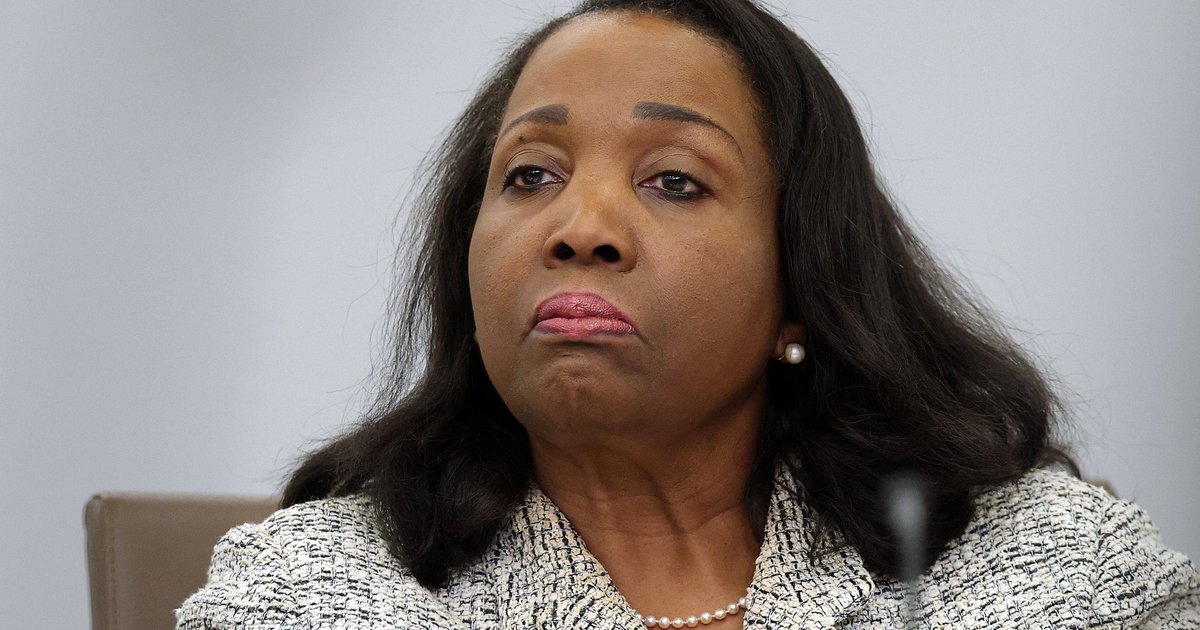
US President Donald Trump has renewed his effort to fire Federal Reserve Governor Lisa Cook, sending her a White House letter dated August 5 that demands a response to unproven mortgage fraud allegations within 21 days . The move comes despite a June Supreme Court ruling that blocked his previous attempt to remove Cook, the first Black woman to serve as a Fed governor .
Key Points
- The August 5 letter, signed by Deputy Chief of Staff Dan Scavino, states the president is "considering" removing Cook from her position .
- The letter alleges Cook made false statements on mortgage applications, conduct the White House claims could carry prison sentences of up to 30 years .
- Cook's lawyer, Abbe D. Lowell, called the allegations "baseless" and said "there is no valid cause" for her removal, vowing to challenge this "latest pretext" .
- The Supreme Court ruled in June that Trump lacked power to dismiss Fed governors "for any reason, or no reason," preserving the central bank's independence .
- The court decided the case on procedural grounds, noting Trump failed to afford Cook statutory protections, without ruling on the underlying fraud allegations .
Why It Matters
The renewed assault on Fed independence threatens to destabilize global financial markets that rely on the US central bank's credibility, with direct implications for Hong Kong's linked exchange rate system and dollar-denominated assets . Trump's parallel effort this week to revive a blocked birthright citizenship order suggests a pattern of challenging institutional constraints that could extend to trade and tariff policies affecting Hong Kong's re-export economy .
The renewed assault on Fed independence threatens to destabilize global financial markets that rely on the US central bank's credibility, with direct implications for Hong Kong's linked exchange rate system and dollar-denominated assets . Trump's parallel effort this week to revive a blocked birthright citizenship order suggests a pattern of challenging institutional constraints that could extend to trade and tariff policies affecting Hong Kong's re-export economy .