East Tung Chung River Revitalization Offers Blueprint for Nature-Based Climate Solutions
HK01 · 1 SOURCESabout 1 hour ago5 MIN
Summary
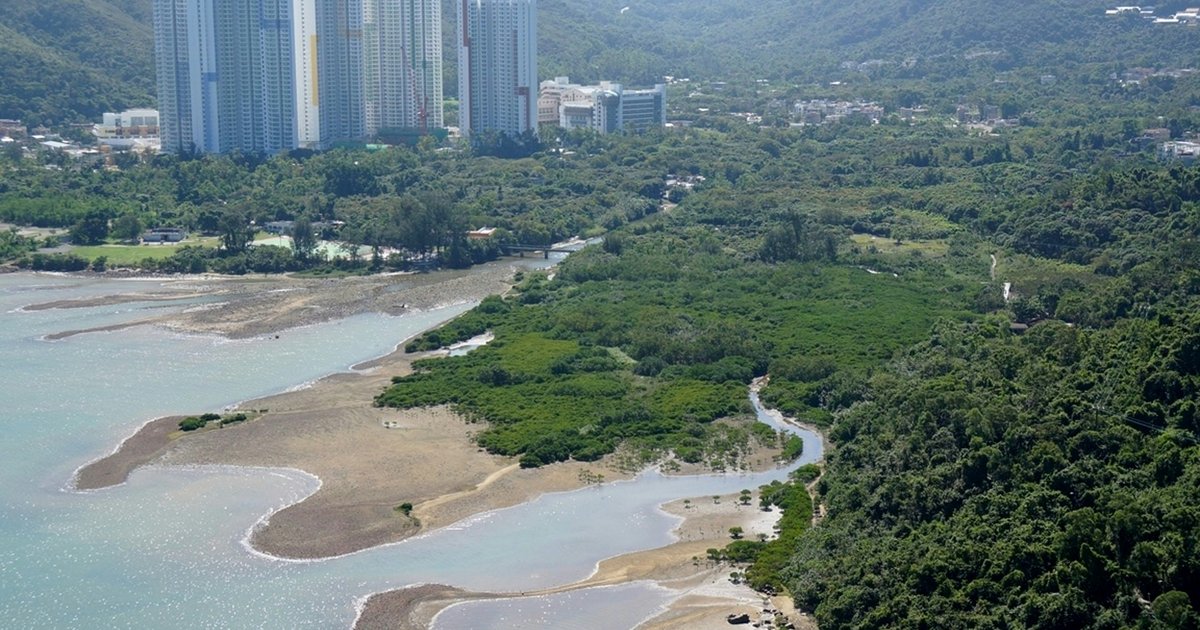
Hong Kong's East Tung Chung River, classified as an ecologically important waterway, is undergoing a pioneering revitalization project under the Tung Chung New Town Extension (West) development, serving as a testing ground for nature-based solutions that integrate flood prevention with biodiversity conservation. Green Power director Dr. Cheng Muk-kei highlights how the project diverges from conventional river training approaches by preserving natural riverbed substrates, riparian trees, and native species including the Beijiang Gekko, Rowley's Tree Frog, and Horseshoe Crab. The initiative aligns with the government's newly introduced Design Guidelines for Nature-based Solutions in Hong Kong, offering practical insights for future urban planning that balances ecological preservation with climate resilience.
Key Points
- The East Tung Chung River flows from Tai Tau Shan and Fung Wong Shan highlands through alpine, hillside, lowland, and bay habitats before reaching the sea
- The river supports rare species including Beijiang Gekko (北江光唇魚), Rowley's Tree Frog (盧文氏樹蛙), and Horseshoe Crab (鱟)
- Riparian trees along the riverbed stabilize riverbed materials and protect against flood damage during heavy rainstorms
- Sustainable Urban Drainage Systems (SUDS) and stormwater retention ponds have been introduced to mimic natural filtration processes
- Environmental groups emphasized studying pre-development hydrology, natural substrates, and hydraulic characteristics before engineering interventions
- Dr. Cheng Muk-kei, director of Green Power, authored the analysis drawing on years of Hong Kong environmental and ecological research
Why It Matters
The project demonstrates how Hong Kong can simultaneously address biodiversity loss and climate change through integrated nature-based solutions rather than treating them as separate challenges. By documenting the East Tung Chung River experience, the government provides a practical reference framework that could reshape how future infrastructure projects across Hong Kong incorporate ecological preservation and climate resilience into their design and approval processes .
The project demonstrates how Hong Kong can simultaneously address biodiversity loss and climate change through integrated nature-based solutions rather than treating them as separate challenges. By documenting the East Tung Chung River experience, the government provides a practical reference framework that could reshape how future infrastructure projects across Hong Kong incorporate ecological preservation and climate resilience into their design and approval processes .