Top Scientists Flock to Hong Kong as City Targets International Talent Hub Status
RTHK · 1 SOURCESabout 1 hour ago2 MIN
Summary
Hong Kong is rapidly emerging as a global hub for top-tier scientific talent, driven by national policy support and the city's own attractive research environment. The nation's 15th Five-Year Plan explicitly supports Hong Kong in building an international high-end talent cluster, and the city has been actively recruiting leading researchers from around the world.
Key Points
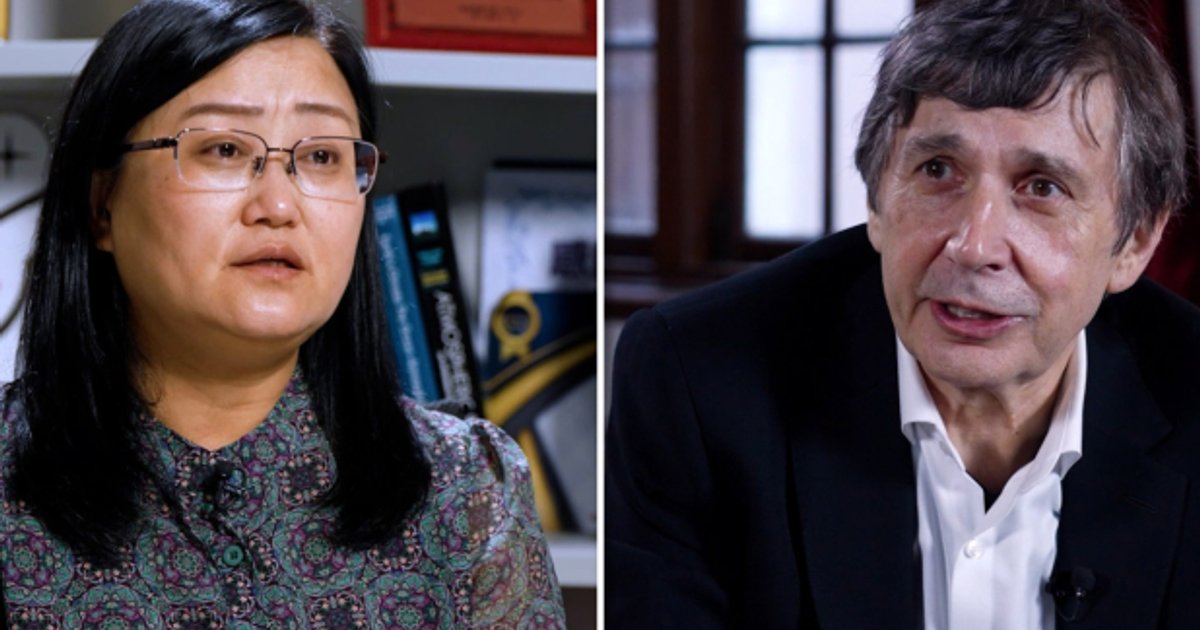
- Andre Geim, Nobel laureate in Physics and discoverer of graphene, joined the University of Hong Kong in April, seeking to escape frustration in the UK where he struggled to build a research team .
- In 2004, Geim successfully isolated graphene, the world's thinnest material, revolutionizing semiconductors, electronics, medicine, and energy industries .
- Geim plans to establish a quantum nanotechnology research institute within two to three years to lead the second quantum revolution .
- Su Hui, a former chief scientist at NASA's Jet Propulsion Laboratory, came to Hong Kong via the government's Outstanding Innovation and Technology Talent scheme .
- Su is now a chair professor at HKUST's Department of Civil and Environmental Engineering, having developed the Tianyun Camera, Hong Kong's first research payload aboard the Tiangong space station .
- The Tianyun Camera accurately measures carbon dioxide and methane concentrations in the atmosphere .
Why It Matters
The influx of world-class scientists like Geim and Su validates Hong Kong's strategy to leverage national policy support while offering the research freedom and resources that attract top global talent. This brain gain could accelerate Hong Kong's transformation into an innovation and technology powerhouse, with implications for the city's economic diversification and global scientific competitiveness .
The influx of world-class scientists like Geim and Su validates Hong Kong's strategy to leverage national policy support while offering the research freedom and resources that attract top global talent. This brain gain could accelerate Hong Kong's transformation into an innovation and technology powerhouse, with implications for the city's economic diversification and global scientific competitiveness .