Queen Mary Hospital Introduces Novel Urethral Pressure Device to Restore Continence in Prostate Cancer Patients
HK01 · 2 SOURCESabout 1 hour ago2 MIN
Summary
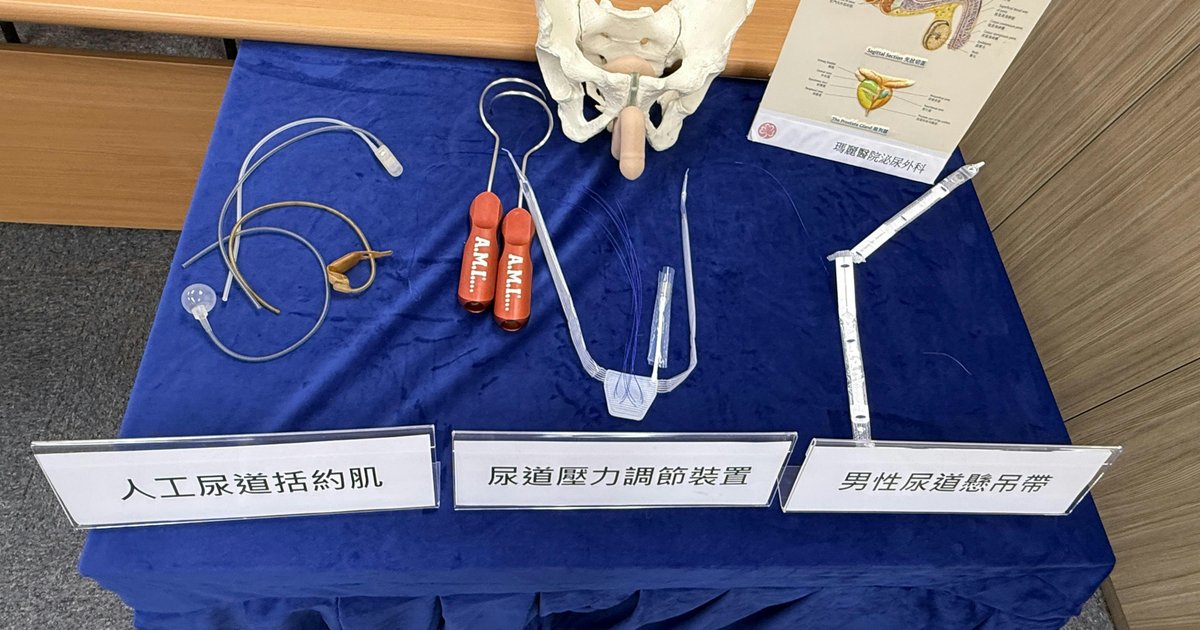
Queen Mary Hospital's urology team has become the first in Asia to implant a next-generation urethral pressure regulation device designed to help prostate cancer patients regain continence after surgery. The device, which consists of a saline-filled water bag placed in the perineal area, provides gentle support to the urethral muscles and can be adjusted non-invasively through a subcutaneous port. The hospital has completed 16 cases since introducing the technology, with patients reporting substantial improvements in their quality of life and ability to resume physical activities.
Key Points
- The device is implanted in the perineum and connected via a thin tube to a water bag hidden under the skin of the scrotum or pubic area
- Saline volume can be adjusted in-clinic without surgery — more saline means greater urethral support and better continence
- Unlike traditional artificial sphincters, the device has no complex mechanical pump and requires replacement in only about 5.75% of cases
- The technology is suitable for all levels of post-prostatectomy incontinence, including patients who have received radiotherapy
- Queen Mary Hospital charges only standard outpatient fees for the procedure, with no additional charges for eligible patients
Why It Matters
Prostate cancer ranks as the third most common cancer among Hong Kong men, with 3,031 new cases recorded in 2023 . Post-surgical urinary incontinence significantly impacts patients' social lives and mental wellbeing, yet many suffer in silence. This new technology offers a practical solution that could become standard care across public hospitals, potentially benefiting thousands of men who undergo prostate cancer surgery each year .
Prostate cancer ranks as the third most common cancer among Hong Kong men, with 3,031 new cases recorded in 2023 . Post-surgical urinary incontinence significantly impacts patients' social lives and mental wellbeing, yet many suffer in silence. This new technology offers a practical solution that could become standard care across public hospitals, potentially benefiting thousands of men who undergo prostate cancer surgery each year .