Congo Ebola Outbreak Started Months Before May Declaration, WHO Says
SCMP · 2 SOURCESabout 1 hour ago2 MIN
Summary
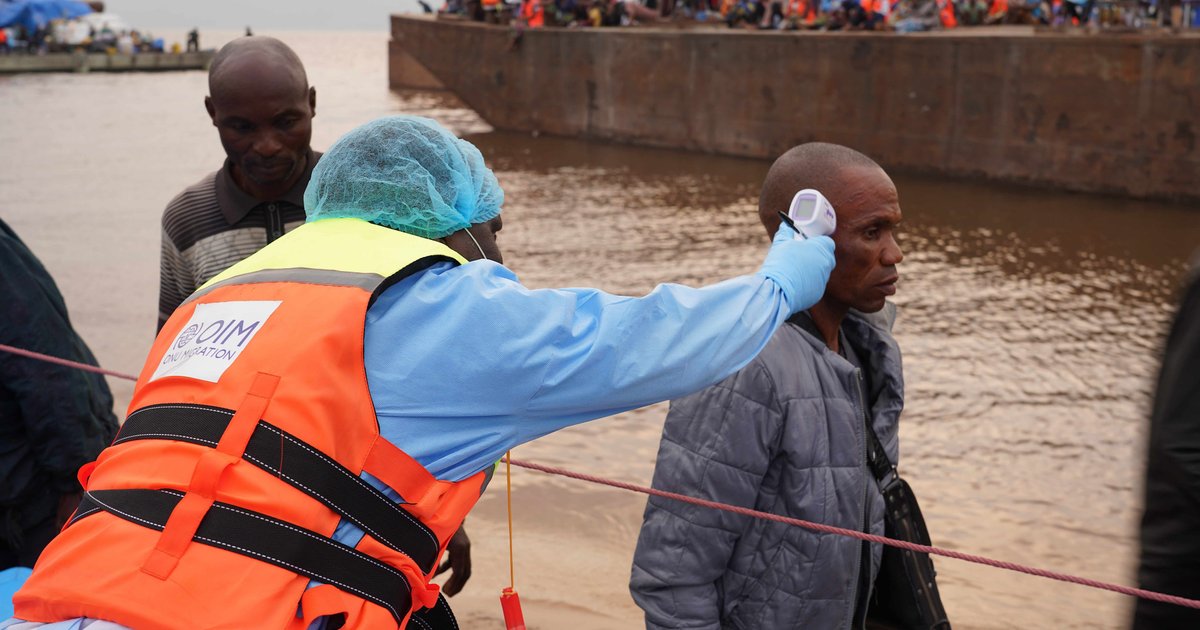
The World Health Organization disclosed on Monday that the Ebola outbreak in the Democratic Republic of Congo may have begun as early as February, several months before the official declaration on May 15. WHO Regional Director for Africa Mohamed Yakub Janabi announced at a press conference in Bunia that genetic sequencing indicated the virus had been circulating for months before detection. This delay has put responders in eastern Congo in the difficult position of chasing a virus that has already spread significantly. The outbreak, caused by the Bundibugyo virus strain, is notable because it lacks approved vaccines or treatments, unlike previous Ebola outbreaks. Early testing focused on the more common Ebola strain, contributing to misdiagnoses that included malaria and typhoid .
Key Points
- The DRC officially declared Ebola outbreaks caused by the Bundibugyo virus on May 15, though sequencing suggests circulation began in February
- Confirmed cases have reached 4,209 with 1,916 deaths as of August 7, according to local health authorities
- This outbreak is the fastest-growing Ebola crisis on record, surpassing the 2014-2016 epidemic that killed over 11,000 people
- The Bundibugyo strain has no approved vaccines or treatments, unlike other Ebola variants
- WHO chief Tedros Adhanom Ghebreyesus reported that new cases are doubling in some hotspots, with 60-70% occurring outside monitored contacts
- Some health workers have gone on strike over unpaid wages, further straining response efforts
Why It Matters
This outbreak represents a significant public health crisis with no proven medical countermeasures available. The delay in detection, combined with regional instability from years of rebel conflict and strained healthcare infrastructure, has allowed the virus to spread faster than containment efforts can proceed . Without adequate resources, pay for health workers, and community trust, the outbreak risks expanding into neighboring regions.
This outbreak represents a significant public health crisis with no proven medical countermeasures available. The delay in detection, combined with regional instability from years of rebel conflict and strained healthcare infrastructure, has allowed the virus to spread faster than containment efforts can proceed . Without adequate resources, pay for health workers, and community trust, the outbreak risks expanding into neighboring regions.