Mega Events Drive HK$5.8 Billion Spending in First Half, Paul Chan Says
AM730 · 1 SOURCESabout 2 hours ago6 MIN
Summary
Hong Kong's "mega event economy" (盛事經濟) has delivered substantial economic returns in the first half of 2025, according to Financial Secretary Paul Chan Mo-po. The strategy of using large-scale cultural, sporting, and business events to attract visitors and stimulate consumption has shown measurable results, with retail sales rising for 14 consecutive months .
Key Points
- First-half mega events attracted approximately 1.75 million visitors to over 130 activities, generating HK$5.8 billion in consumer spending and HK$3.3 billion in economic value added .
- Three football matches at Kai Tak Sports Park, including the "Hong Kong Football Fiesta 2026" and "2026 Audi Summer Tour," drew over 120,000 spectators with ticket revenue exceeding HK$180 million; nearby restaurants reported roughly 20% business growth during the events .
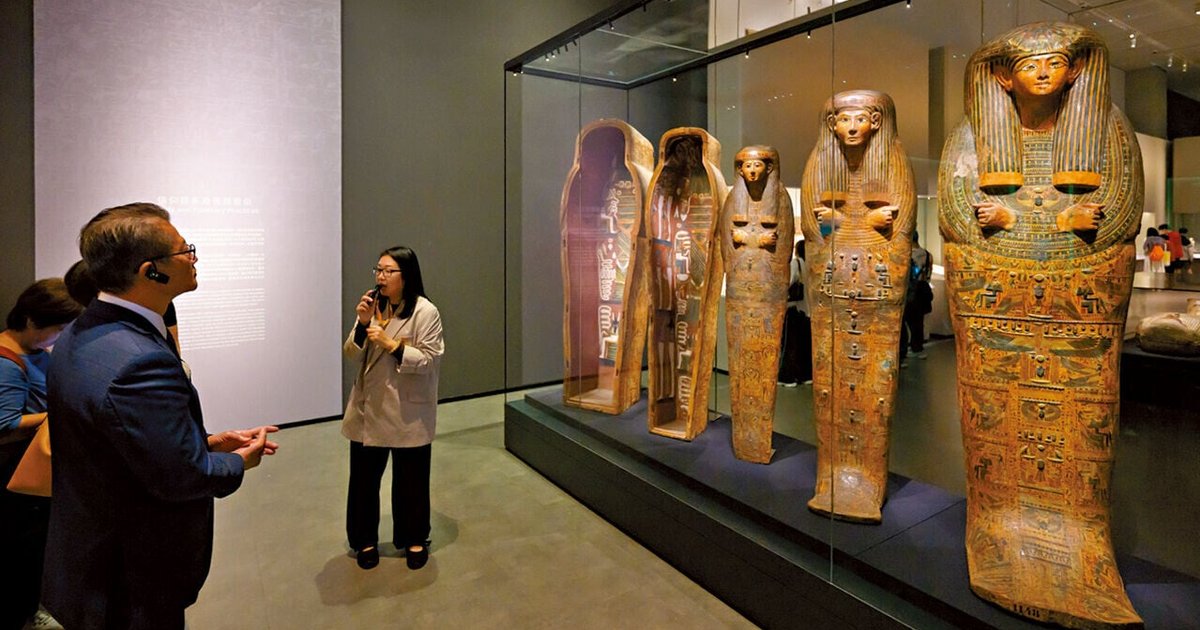
- The Hong Kong Palace Museum's "Ancient Egypt Exhibition" has recorded more than 570,000 visits since its late-2024 opening, with approximately 200 related cultural creative products generating over HK$30 million in sales .
- Combined revenue at the Hong Kong Palace Museum and M+ Museum rose 22% year-on-year in the last financial year, with venue rentals and cultural product sales becoming significant income sources .
- Over 100 mega events are planned for the second half, including the Trade Development Council's Food Expo, National Day fireworks, Hong Kong Cyclothon, and Hong Kong Wine & Dine Festival, projected to attract over 1.85 million visitors and generate approximately HK$5.9 billion in spending with HK$3.3 billion in economic value added .
- Hong Kong will host the Asia-Pacific Economic Cooperation (APEC) Finance Ministers' Meeting for the first time in October, bringing together key political and business leaders from across the region .
Why It Matters
The government's emphasis on mega events represents a deliberate economic strategy to diversify Hong Kong's appeal beyond traditional finance and tourism, positioning the city as a vibrant destination for culture, sports, and lifestyle experiences. The APEC meeting in particular offers a platform to reinforce Hong Kong's status as an international financial center while showcasing its broader attractiveness to global talent and investment at a time when regional competition for visitors and businesses is intensifying .
The government's emphasis on mega events represents a deliberate economic strategy to diversify Hong Kong's appeal beyond traditional finance and tourism, positioning the city as a vibrant destination for culture, sports, and lifestyle experiences. The APEC meeting in particular offers a platform to reinforce Hong Kong's status as an international financial center while showcasing its broader attractiveness to global talent and investment at a time when regional competition for visitors and businesses is intensifying .