Sim City Mall Revives via Xiaohongshu as Mainland Tourists Splurge on Cameras
HK01 · 1 SOURCESabout 1 hour ago5 MIN
Summary
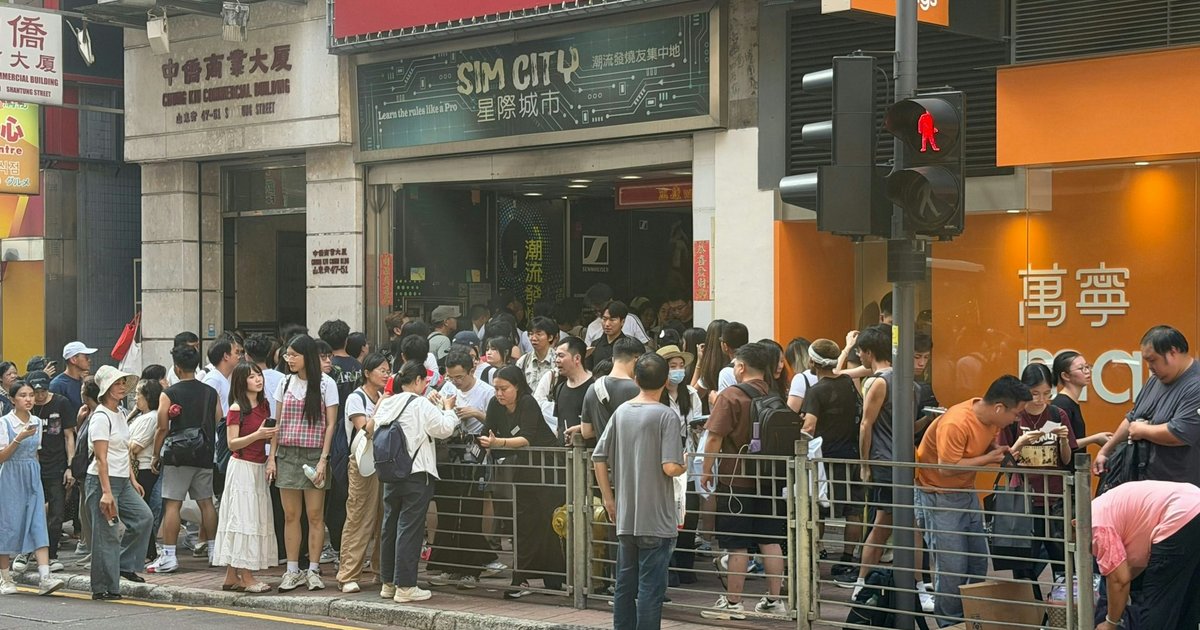
Sim City (星際城市), a long-standing electronics shopping complex in Mong Kok's Sai Yeung Choi Street, is seeing renewed vitality as mainland Chinese tourists flock to the mall following recommendations on Xiaohongshu, a popular Chinese social media platform. Some visitors are spending over HK$10,000 on cameras and related products, while the mall is also attracting international travelers seeking electronics bargains. Yet the revival is selective: shops with active Xiaohongshu presence capture the bulk of new customers, while others without such digital marketing see little change in actual sales despite dramatically increased foot traffic .
Key Points
- A Guangzhou student surnamed Yan visited Sim City for the first time after discovering it through Xiaohongshu, accompanying a friend to purchase camera equipment at a shop praised for its value and service .
- A Shenzhen tourist surnamed Chen has already spent over HK$10,000 on instant cameras and handbags during his trip, with a total shopping budget exceeding HK$20,000 including purchases for colleagues and friends .
- French tourist Sophie and her husband made Sim City their final Hong Kong stop before a 2 p.m. flight, specifically visiting to buy wireless earphones after researching the mall's electronics reputation online .
- Shop staffer Mandy described Saturday's crowds as "explosively busy" (爆多人), noting that first-floor shops benefited most as Xiaohongshu-recommended stores cluster on that level .
- Mandy's own shop, which does not operate a Xiaohongshu account, saw weekend sales comparable to regular days despite the visitor surge, as many customers comparison-shopped without purchasing .
Why It Matters
The uneven distribution of Xiaohongshu-driven tourism rewards reveals how digital platform algorithms are reshaping Hong Kong's retail landscape, creating winners and losers based on social media savviness rather than location or traditional reputation alone. For smaller merchants without resources to maintain these platforms, the recovery in mainland visitor numbers may remain largely theoretical even when physical crowds return to their doorsteps .
The uneven distribution of Xiaohongshu-driven tourism rewards reveals how digital platform algorithms are reshaping Hong Kong's retail landscape, creating winners and losers based on social media savviness rather than location or traditional reputation alone. For smaller merchants without resources to maintain these platforms, the recovery in mainland visitor numbers may remain largely theoretical even when physical crowds return to their doorsteps .