Rashford Returns to Man Utd as Transfer Impasse Forces Both Parties to Continue Partnership
SingTao · 2 SOURCESabout 1 hour ago2 MIN
Summary
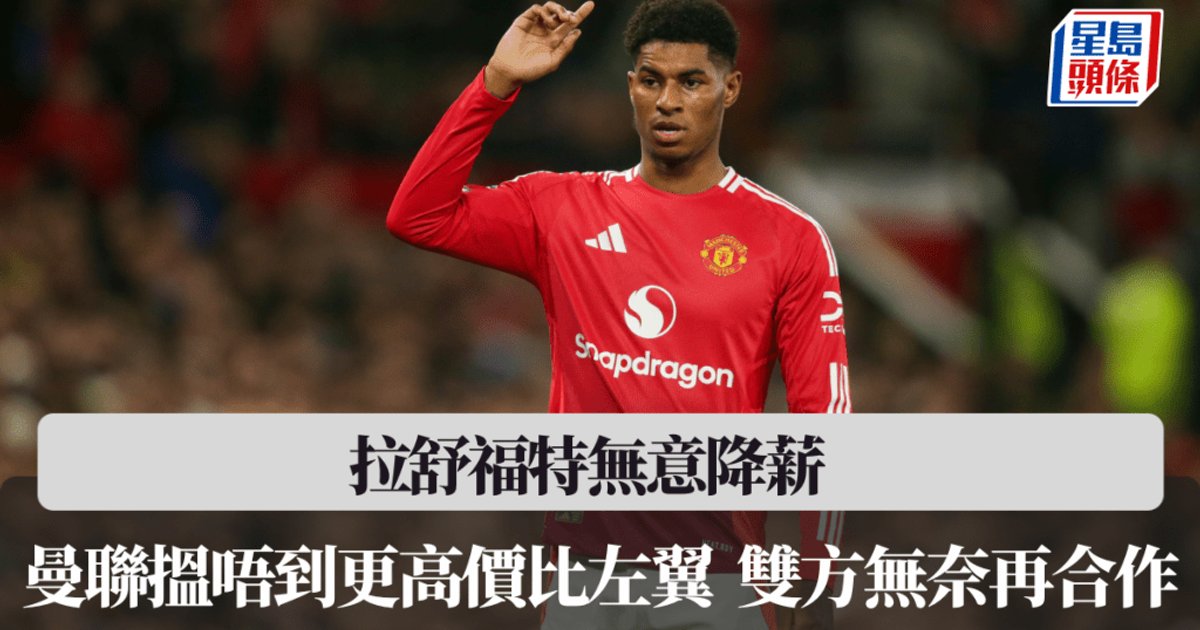
Marcus Rashford has returned to Manchester United for pre-season training after a transfer window that failed to produce any viable alternatives for either party. The England international, who wore the number 14 shirt during his successful loan spell at Barcelona, will continue wearing it at United after his original number 10 was reassigned to Mason Mount. Despite Manchester United's desire to sell, both the club and player found themselves with no better options available.
Key Points
- Rashford reported to United's Carrington training ground on Monday, February 10, marking his first return since his Barcelona loan ended
- He will wear the number 14 shirt at United, the same number he wore during his 49-appearance season at Barcelona where he scored 14 goals and provided 14 assists
- His previous number 10 at United has been taken by Mason Mount, leaving no room for his traditional jersey
- Rashford earns £325,000 per week, a figure no Premier League or major European club can afford, and he has refused to reduce his wages
- He rejected approaches from Turkish and Saudi clubs to maintain his chances of selection for the England national team
- Manchester United could not find a winger of comparable value at the €30 million price range, making Rashford's retention economically logical
- Head coach Ruud van Nistelrooy has indicated willingness to give Rashford another opportunity to prove himself
Why It Matters
This situation underscores the growing financial paralysis in European football transfers, where high-wage earners become trapped between clubs unwilling to pay their salary demands and players unwilling to compromise. For United, it represents a tactical dilemma as they must reintegrate a player they attempted to move on from, potentially disrupting squad harmony and wage structure negotiations with other stars. The outcome will likely set a precedent for how clubs manage similar dead-end situations in future windows.
This situation underscores the growing financial paralysis in European football transfers, where high-wage earners become trapped between clubs unwilling to pay their salary demands and players unwilling to compromise. For United, it represents a tactical dilemma as they must reintegrate a player they attempted to move on from, potentially disrupting squad harmony and wage structure negotiations with other stars. The outcome will likely set a precedent for how clubs manage similar dead-end situations in future windows.