Broken Engine Fan Blade Shattered Ryanair Window, Nearly Sucked Passenger Out
SCMP · 2 SOURCESabout 1 hour ago2 MIN
Summary
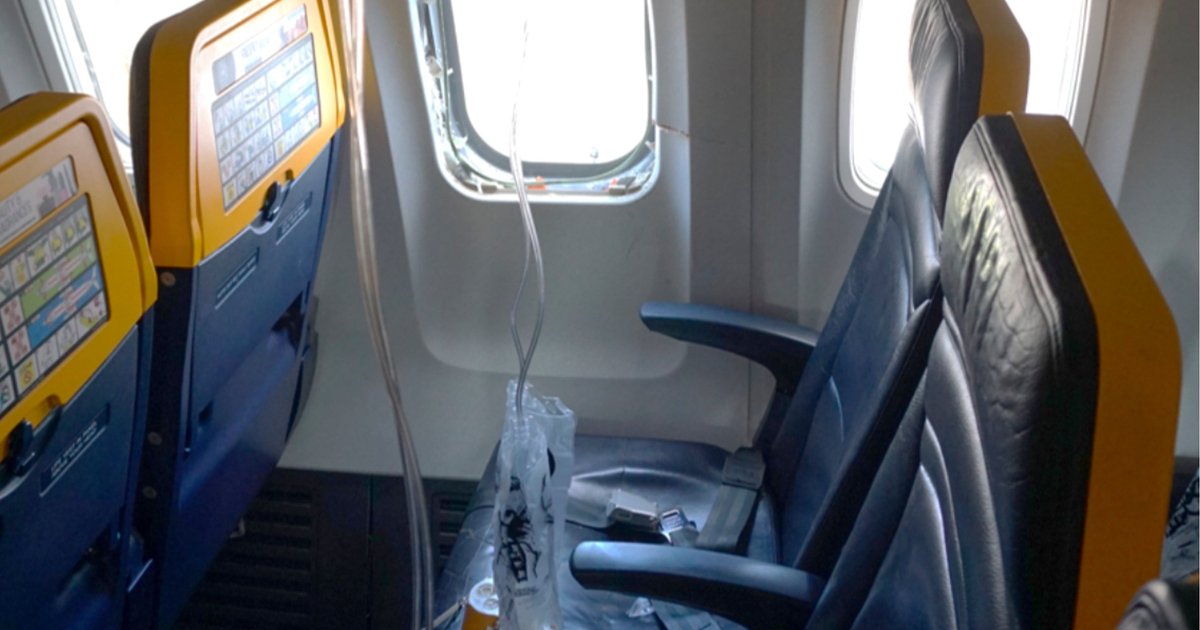
A Ryanair flight heading to Germany from Thessaloniki, Greece was forced to make an emergency landing on July 10 after a catastrophic engine failure sent shrapnel through the fuselage, breaking a window and nearly sucking a passenger out of the aircraft . The NTSB preliminary investigation found that a fan blade in the right engine broke loose, sending fragments that shattered the window where a 61-year-old passenger in row 11 was seated . Fellow passengers and flight attendants pulled the man back inside the cabin, and he sustained neck and shoulder injuries along with friction burns . Investigators discovered bird remains inside the CFM engine—a joint venture between France's Safran and US-based General Electric—raising the possibility of a bird strike during takeoff . The incident bears similarities to a 2018 Southwest Airlines engine failure that also killed a passenger who was partially ejected through a window .
Key Points
- The Boeing 737-800 departed Thessaloniki on July 10 when the CFM engine fan blade fractured and fragments penetrated the fuselage
- Four suspected bird strikes to the plane's No 2 engine were reported by flight crew in the 12 months before the accident
- Flight attendants heard loud vibration and saw smoke fill the cabin before oxygen masks deployed
- Passengers used a metal box to block the window opening until the plane could land safely
- FAA Administrator Bryan Bedford said early indications suggest this incident differs from the 2018 Southwest case
Why It Matters
This incident raises questions about engine maintenance protocols and bird strike detection, as the same engine had experienced multiple suspected bird strikes in the preceding year with no damage found during subsequent inspections . The NTSB's investigation will determine whether the fractured fan blade was caused by metal fatigue, bird damage, or other factors—and whether the findings warrant updated safety standards for similar engine models .
This incident raises questions about engine maintenance protocols and bird strike detection, as the same engine had experienced multiple suspected bird strikes in the preceding year with no damage found during subsequent inspections . The NTSB's investigation will determine whether the fractured fan blade was caused by metal fatigue, bird damage, or other factors—and whether the findings warrant updated safety standards for similar engine models .