Iran Shifts to Offensive Operations as US Diplomatic Talks Remain Deadlocked
Apnews · 3 SOURCESabout 1 hour ago2 MIN
Summary
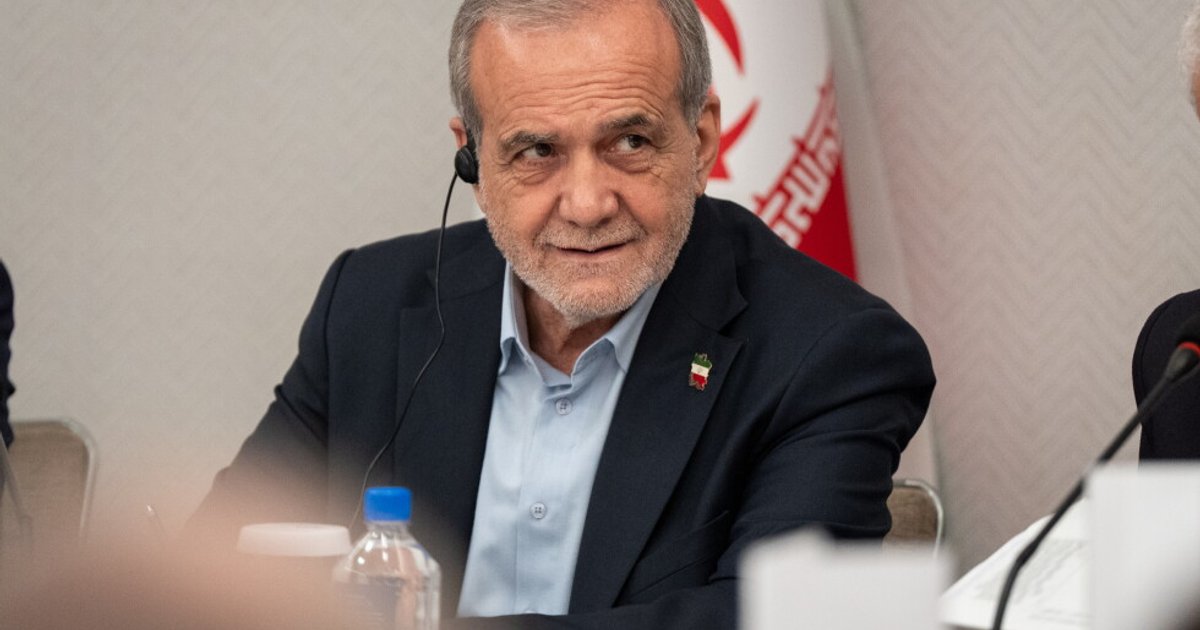
Six months into its conflict with the United States, Iran has signaled a major strategic shift from defensive retaliation to offensive military operations. Iranian officials, including Supreme Leader Ayatollah Khamenei, have ordered their commanders to prioritize large-scale offensive capabilities while maintaining control of the Strait of Hormuz. President Masoud Pezeshkian has defended a June memorandum of understanding with Washington as a path to end the stalemate, even as the US prepares to announce sweeping new economic sanctions.
Key Points
- Since US-Israeli strikes launched the war on February 28, Iran has largely portrayed its strikes as revenge operations, but now officials openly discuss giving offensive operations strategic priority
- Supreme Leader Khamenei ordered a reshuffle of top military commanders earlier this month, calling for "strengthening maximum deterrence and preparing to conduct large-scale offensive operations against the enemy"
- Iran is keeping the Strait of Hormuz partially shut, disrupting a vital global energy route and driving up energy prices, while the US maintains a naval counter-blockade
- A June 17 truce collapsed, leading the US to reimpose oil sanctions and the blockade; US Treasury Secretary Scott Bessent is expected to announce further economic measures
- President Pezeshkian defended the June memorandum of understanding, stating: "There is not a single provision in this agreement that amounts to capitulation"
- Analyst Sina Toossi noted Iran appears to have concluded that "if confrontation becomes unavoidable, Iran should escalate earlier and more forcefully"
- According to US media reports, the American navy has been organizing and protecting secret convoys of tankers through the southern sector of the strait, enabling five to 10 million barrels per day of oil exports
Why It Matters
The shift to offensive posturing represents a dangerous escalation that could destabilize global energy markets, as the Strait of Hormuz handles roughly 20% of the world's oil shipments. If diplomacy remains stalled, the risk of miscalculation between two powers with vastly different military capabilities grows substantially, with potential spillover effects on allied nations throughout the Middle East and beyond. The standoff also tests whether economic pressure can force concessions without triggering wider conflict.
The shift to offensive posturing represents a dangerous escalation that could destabilize global energy markets, as the Strait of Hormuz handles roughly 20% of the world's oil shipments. If diplomacy remains stalled, the risk of miscalculation between two powers with vastly different military capabilities grows substantially, with potential spillover effects on allied nations throughout the Middle East and beyond. The standoff also tests whether economic pressure can force concessions without triggering wider conflict.