US Patriot Missile Shortage in Europe 'Beyond Critical' Due to Iran War
SCMP · 2 SOURCESabout 1 hour ago2 MIN
Summary
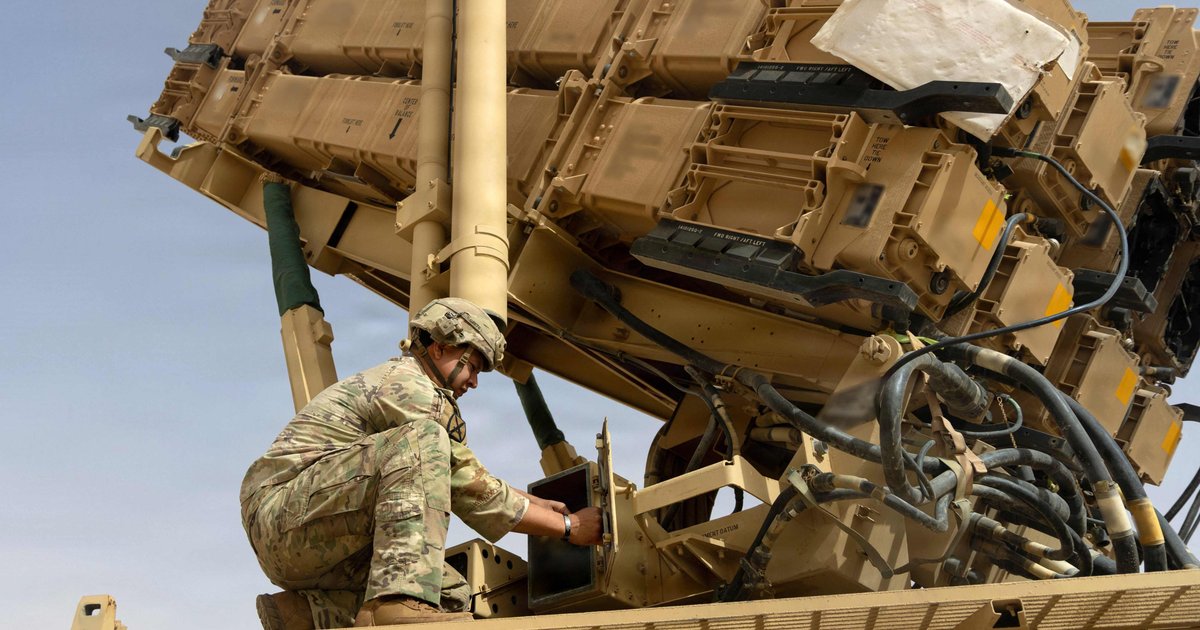
The US military is experiencing a "beyond critical" shortage of Patriot missile interceptors in Europe, a situation driven largely by President Donald Trump's war with Iran, according to American and NATO officials . The shortage raises serious concerns about vulnerabilities in NATO countries to a potential Russian attack, with officials warning that the alliance could face similar challenges to those confronting missile-starved Ukraine . US missile stocks in Europe have been moved to the Middle East, where American and Gulf allies have deployed significant numbers of interceptors to counter Iranian drones and missiles .
Key Points
- NATO forces in Europe are experiencing critically low Patriot missile interceptor inventories, described by officials as "beyond critical"
- US military "definitely does not have enough Patriots" to stop a sustained Russian ballistic missile attack on alliance members
- Ukraine has already depleted its Patriot supplies and could be forced "to take punch after punch in the mouth" in a future assault
- American and Gulf allies have fired off significant numbers of interceptors, including Patriots, to counter Iran's drones and missiles, resulting in US casualties
- CIA Director John Ratcliffe made a rare secret trip to Moscow this week to warn Russia against attacking NATO
Why It Matters
The shortage exposes a critical vulnerability in NATO's eastern flank at a time when Russia could potentially be in a position to attack alliance members by 2030 . European officials are concerned that if a Russian ballistic missile assault were to occur against targets such as military headquarters or power plants, NATO would struggle to mount an effective defense, mirroring the challenges faced by Ukraine . While Patriot stockpiles are projected to rebound by 2030, the current gap leaves the alliance significantly exposed .
The shortage exposes a critical vulnerability in NATO's eastern flank at a time when Russia could potentially be in a position to attack alliance members by 2030 . European officials are concerned that if a Russian ballistic missile assault were to occur against targets such as military headquarters or power plants, NATO would struggle to mount an effective defense, mirroring the challenges faced by Ukraine . While Patriot stockpiles are projected to rebound by 2030, the current gap leaves the alliance significantly exposed .