UK says Wu Chi-wai will not be deported
SCMP · 1 SOURCESabout 1 hour ago2 MIN
Summary
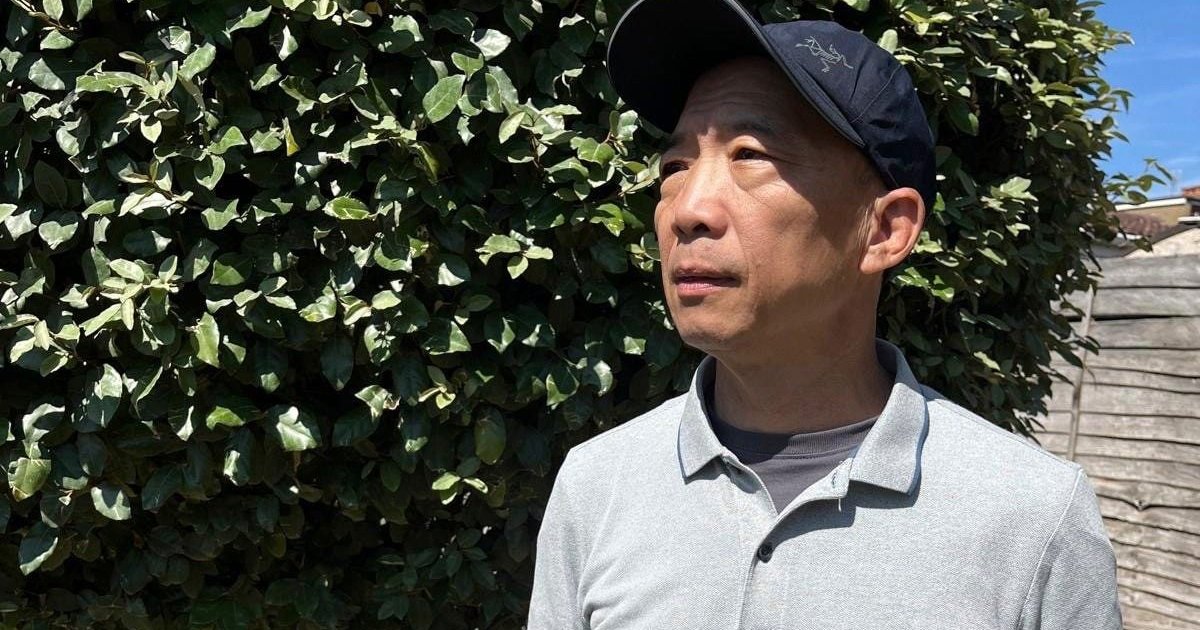
Britain has confirmed that former Hong Kong opposition leader Wu Chi-wai will not be deported after earlier complications when he tried to enter the country through London Heathrow Airport. UK Minister for Migration and Citizenship Jo White said in a written reply to former Hong Kong governor Chris Patten that overseas convictions should not automatically lead to refusal under the British National (Overseas) visa route. Wu, a former chairman of the now-defunct Democratic Party and ex-lawmaker, had first been refused entry before being granted temporary admission. He was released from a Hong Kong prison in late June after serving four years and five months in a landmark subversion case linked to the 2020 unofficial primary election.
Key Points
- Wu Chi-wai was initially refused entry at London Heathrow earlier this month, then later granted temporary admission to the United Kingdom.
- After first receiving seven days' temporary admission, Wu was later told he could stay as a visitor for six months.
- Jo White told Chris Patten that standard criminality rules apply to BN(O) cases, but caseworkers also have flexibility.
- White said overseas convictions for offences not recognised in Britain should not automatically result in settlement refusal under the BN(O) route.
- Wu was freed in late June after serving four years and five months over a subversion case tied to the 2020 unofficial primary.
Why It Matters
For Hong Kong readers, the case offers a clearer indication that BN(O) applicants with politically sensitive overseas convictions may still be considered under British rules rather than being excluded automatically. It also shows that public pressure from figures such as Chris Patten and rights advocates can affect how immigration authorities handle high-profile Hong Kong cases.