Oil Prices Surge 3.8% After US Strikes Iranian Rocket Launchers Near Strait of Hormuz
Apnews · 1 SOURCESabout 1 hour ago2 MIN
Summary
Global markets displayed a mixed performance on Monday as oil prices surged over 3% following U.S. military strikes on Iranian rocket launchers positioned near the Strait of Hormuz. This marked the first direct American military action against Iranian targets in approximately a month, coming just days after the Trump administration signaled a shift toward economic pressure tactics. Meanwhile, investors digested comments from Federal Reserve Chairman Kevin Warsh that reinforced expectations the central bank would prioritize inflation control even at the cost of short-term economic pain.
Key Points
- U.S. forces struck Iranian rocket launchers near the Strait of Hormuz on Sunday, marking the first military action in a month
- Brent crude jumped 3.8% to $91.40 per barrel while U.S. benchmark crude rose 3.8% to $86.58 per barrel
- Germany's DAX fell 0.9% to 26,339.04 and Paris CAC 40 edged down 0.1% to 8,390.43; Britain's markets remained closed for a bank holiday
- S&P 500 and Dow Jones futures both declined 0.2% following Fed Chairman Kevin Warsh's remarks signaling continued rate hikes
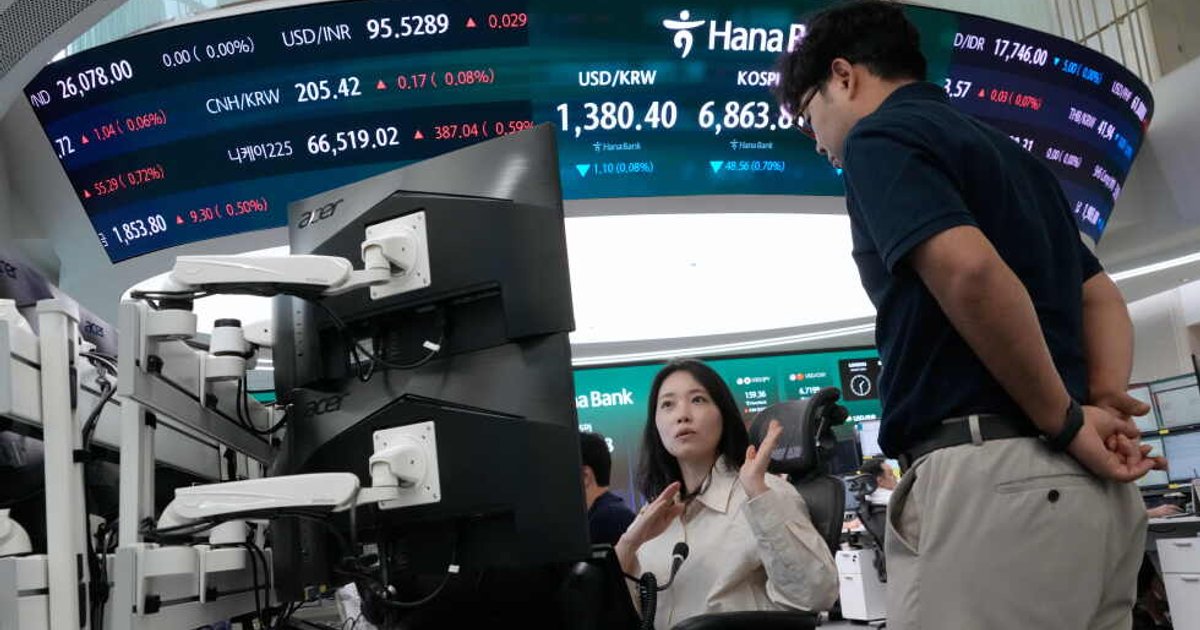
- Hong Kong's Hang Seng dipped 0.1% to 25,566.99 while Shanghai Composite gained 0.9% to 3,986.30
Why It Matters
The U.S. military strike demonstrates the ongoing fragility of Middle East security despite recent diplomatic efforts, threatening to reintroduce geopolitical risk premiums into global energy markets. For Hong Kong investors, the confluence of rising oil prices and anticipated Fed rate increases creates a challenging environment, particularly for energy-intensive industries and rate-sensitive sectors already facing headwinds from China's slowing manufacturing activity.
The U.S. military strike demonstrates the ongoing fragility of Middle East security despite recent diplomatic efforts, threatening to reintroduce geopolitical risk premiums into global energy markets. For Hong Kong investors, the confluence of rising oil prices and anticipated Fed rate increases creates a challenging environment, particularly for energy-intensive industries and rate-sensitive sectors already facing headwinds from China's slowing manufacturing activity.