Guangxi Tea Shop Fined 350,000 RMB for Copying Bawang Chaji Trademark
SingTao · 1 SOURCESabout 1 hour ago5 MIN
Summary
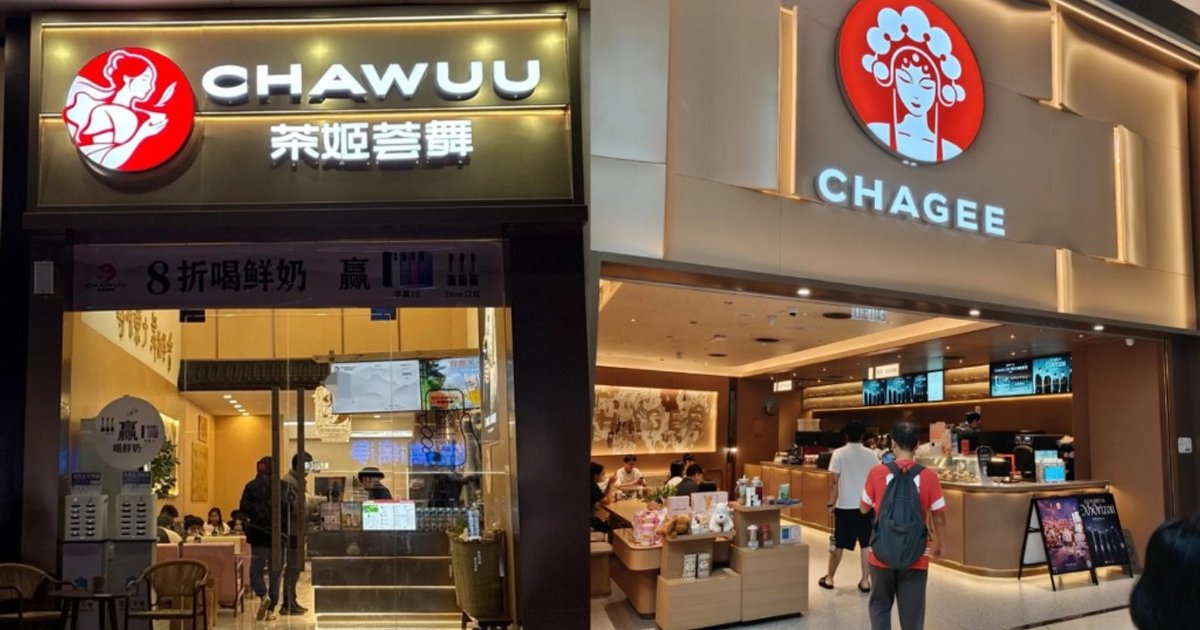
A counterfeit tea shop imitating the popular domestic brand Bawang Chaji has been ordered to pay 350,000 yuan (approximately 407,000 HKD) in damages after a court found it guilty of trademark infringement and unfair competition. The offending establishment operated merely 20 meters from an authentic Bawang Chaji outlet in Laibin City, Guangxi, adopting near-identical branding, interior design, staff uniforms, and even replicating the signature product Boya Juexian. Nanning's Intermediate People's Court Intellectual Property Division issued the ruling on behalf of the plaintiff, requiring the defendant to publish a corrective statement for at least seven days to mitigate reputational harm.
Key Points
- The counterfeit shop opened in August 2025, adopting the name "Cha Ji Hui Wu" and using the "茶姬" element from Bawang Chaji's registered trademark as its own business name
- The infringing store featured identical orange signage with a female portrait, matching Bawang Chaji's distinctive visual identity, located just 20 meters from the genuine outlet
- The court, led by Deputy Chief Judge Yu Dailiang from Nanning Intermediate Court's IP Division, determined the defendant committed classic "brand piggybacking" unfair competition
- Beyond trademark infringement, the defendant sold the identical signature product Boya Juexian on both physical premises and online platforms without authorization
- Bawang Chaji, established in 2017, operates thousands of stores domestically and internationally, with 2024 annual revenue exceeding 10 billion yuan
Why It Matters
This case demonstrates the escalating enforcement by Chinese courts against trademark counterfeiting and brand parasitism, with courts increasingly willing to impose substantial financial penalties on copycat operators. For Hong Kong businesses expanding into mainland markets, the ruling underscores the importance of registering intellectual property early and pursuing legal remedies aggressively, as courts will provide robust protection for well-documented brand assets.
This case demonstrates the escalating enforcement by Chinese courts against trademark counterfeiting and brand parasitism, with courts increasingly willing to impose substantial financial penalties on copycat operators. For Hong Kong businesses expanding into mainland markets, the ruling underscores the importance of registering intellectual property early and pursuing legal remedies aggressively, as courts will provide robust protection for well-documented brand assets.