Hong Kong WT1 Probe Widens With Two Arrests
HK01 · 14 SOURCESabout 1 hour ago6 MIN
Summary
Hong Kong's Department of Health says it has escalated enforcement over the promotion of unregistered WT1 injections marketed as preventing more than 20 types of cancer, carrying out two rounds of action within three days and searching more than 13 premises. Officials said they seized over 50 suspected unregistered injectable pharmaceutical products, mainly vitamin or health-maintenance injections, but had not yet found the WT1 product itself at the time of the briefing. A 28-year-old clinic manager was arrested, and later updates said one man and one woman were arrested on suspicion of illegal possession of unregistered drugs and Part 1 poisons. The case follows earlier reporting that Asia Pacific Medical Centre allegedly sold WT1 injections to clients, including Mainland visitors, while the German manufacturer said its PepTivator WT1 products are not approved for direct use in patients or any in-vivo application
Key Points
- The Department of Health said WT1 is not a registered pharmaceutical product in Hong Kong, and any advertisement claiming it can be provided for cancer prevention is misleading and suspected fraud.
- Investigators searched more than 13 linked premises after tracing directors' names and company records, and said they may search more sites and make further arrests.
- Officials said the seized injections were mostly vitamin or wellness shots supplied to the clinic, while the source of the alleged WT1 product is still under investigation.
- The Department has referred possible illegal importation to Customs, and the suspected involvement of a registered doctor and nurse to the Medical Council and Nursing Council.
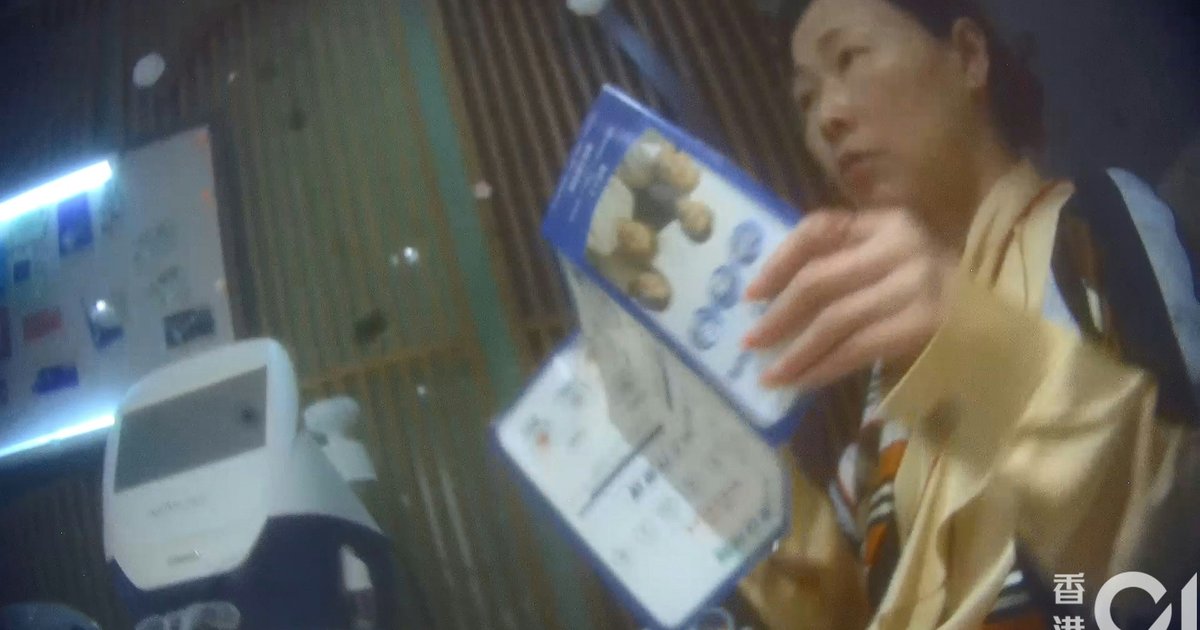
- Earlier undercover reporting said nurse Lo Yuen-yi (路婉儀) promoted WT1 at Asia Pacific Medical Centre, while videos tied to Asia Regenerative Medicine claimed people could come to Hong Kong for injections.
Why It Matters
The case raises immediate concerns for Hong Kong patients because the alleged product was promoted with cancer-prevention claims despite lacking local registration and established evidence for that use. It also puts pressure on regulators to police cross-border online medical advertising more aggressively, especially when promotions target vulnerable patients through social media and intermediary networks.
The case raises immediate concerns for Hong Kong patients because the alleged product was promoted with cancer-prevention claims despite lacking local registration and established evidence for that use. It also puts pressure on regulators to police cross-border online medical advertising more aggressively, especially when promotions target vulnerable patients through social media and intermediary networks.