China July New Loans Plunge 340 Billion Yuan, Stoking Easing Expectations
On.cc · 1 SOURCESabout 1 hour ago2 MIN
Summary
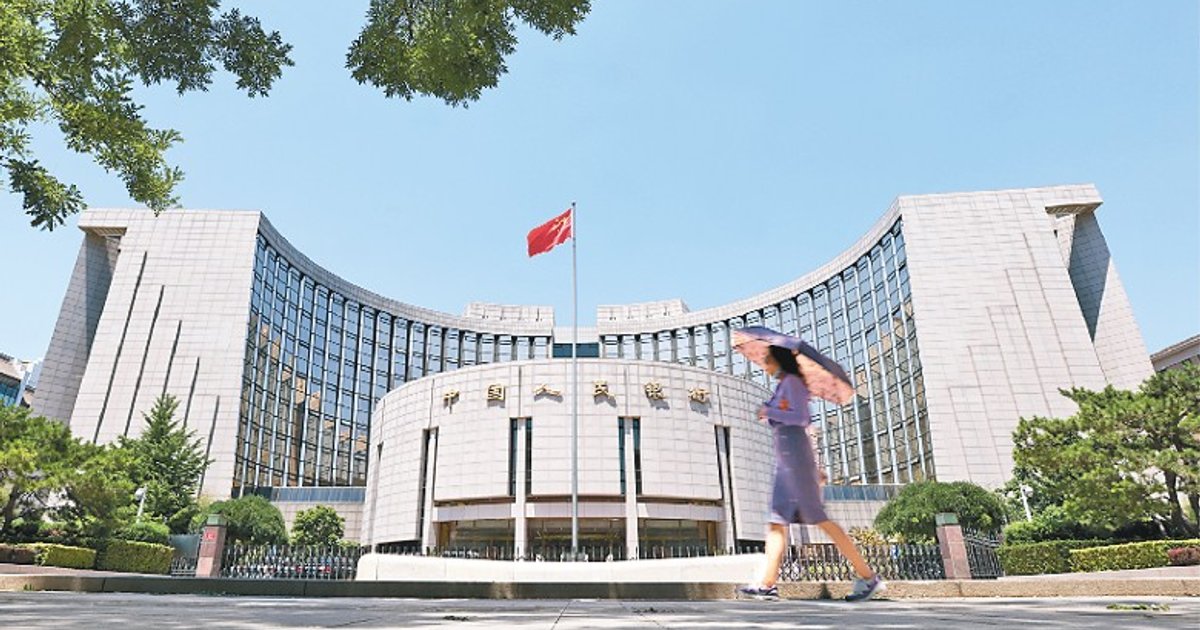
China's July new loans suffered an unprecedented collapse, tumbling 340 billion yuan from the prior month—a historic decline that underscored persistent weakness in real economy financing demand. The People's Bank of China responded by conducting its first-ever mid-month overnight reverse repo of 349 billion yuan on Friday, breaking a nine-day streak of net fund withdrawals. The central bank is walking a tightrope: injecting liquidity to support growth while avoiding signals of excessive monetary loosening as the M2 money supply growth rate fell to its lowest level in over a year.
Key Points
- The People's Bank of China conducted a 349 billion yuan overnight reverse repo on Friday, ending nine consecutive days of net fund withdrawals
- New loans in July unexpectedly fell by 340 billion yuan, the largest monthly decline in recorded history
- M2 money supply growth decelerated to 7.7 percent year-on-year as of end-July, the lowest since March last year
- Household loans contracted 4,603 billion yuan, with short-term consumer loans alone declining 3,400 billion yuan
- The offshore yuan surged to 6.7421 per dollar, its strongest level since early 2023; the midpoint rate set at 6.7878
Why It Matters
The sharp contraction in credit demand—particularly among consumers and households—signals deeply entrenched caution about income prospects and future spending, which could weigh on consumption-led economic recovery. With the M2-M1 spread narrowing and multiple financing channels now absorbing loan demand, Beijing may face growing pressure to deploy more aggressive easing measures such as interest rate cuts or reserve requirement ratio reductions before year-end .
The sharp contraction in credit demand—particularly among consumers and households—signals deeply entrenched caution about income prospects and future spending, which could weigh on consumption-led economic recovery. With the M2-M1 spread narrowing and multiple financing channels now absorbing loan demand, Beijing may face growing pressure to deploy more aggressive easing measures such as interest rate cuts or reserve requirement ratio reductions before year-end .