Sai Kung Beach Packed in Extreme Heat as Mainland Visitors Flee
HK01 · 1 SOURCESabout 2 hours ago2 MIN
Summary
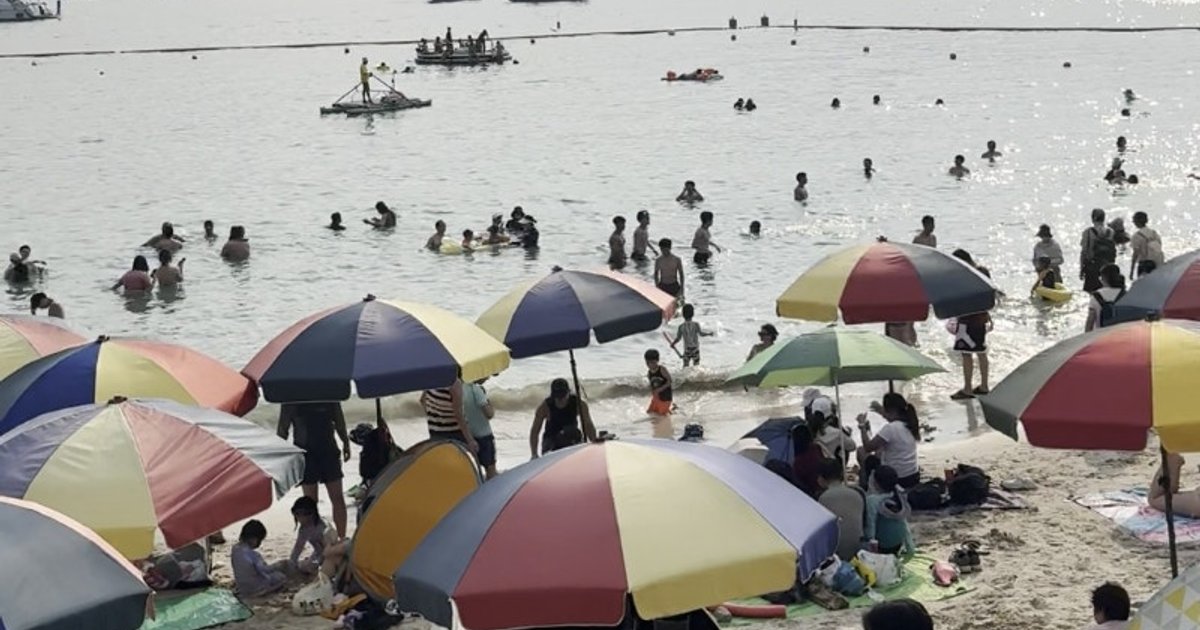
Sweltering temperatures failed to deter holidaymakers from descending on Sai Kung on Saturday, August 8, as the area around Half Moon Bay (also known as Xiamen Bay) was packed with visitors seeking relief from the heat. A mainland Chinese tourist expressed shock at the crowds, cutting her visit to just 10 minutes after a 40-minute boat ride, while urban hotspots like Mong Kok's Sim City also saw heavy foot traffic .
Key Points
- A mainland visitor took a 40-minute boat ride to Kiu Tsui Island's Half Moon Bay, only to find it packed with people and left after just 10 minutes, calling anyone who came "a little fool" .
- The Hong Kong Observatory recorded 34.7°C at its Tsim Sha Tsui headquarters at 4 p.m. on August 8, marking the highest temperature of the year so far .
- The extreme heat was caused by subsiding air from the outer circulation of Typhoon Bebinca, which was expected to make landfall near Wenzhou, Zhejiang on Sunday, August 9 .
- The Observatory forecast three more days of "extreme heat" from August 9-11, with records potentially being broken again .
- The Transport Department announced that Sai Kung Man Yee Road to the High Island Reservoir East Dam would be busy, with special minibus route 9A adding extra services as needed .
- Mong Kok's Sim City, popular among mainland Gen Z visitors for film cameras and instant cameras, was also packed with shoppers spilling onto the pavement .
Why It Matters
The surge in visitors to both natural and commercial attractions during extreme weather conditions highlights the growing pressure on Hong Kong's transport infrastructure and tourist hotspots. The Transport Department's pre-emptive service adjustments suggest authorities are learning to anticipate these demand spikes, but the experience of overcrowded beaches and shopping areas may affect how visitors perceive Hong Kong as a destination during peak summer periods .
The surge in visitors to both natural and commercial attractions during extreme weather conditions highlights the growing pressure on Hong Kong's transport infrastructure and tourist hotspots. The Transport Department's pre-emptive service adjustments suggest authorities are learning to anticipate these demand spikes, but the experience of overcrowded beaches and shopping areas may affect how visitors perceive Hong Kong as a destination during peak summer periods .