Study Reveals Children Tie Self-Worth to Grades Amid Education Pressure
SingTao · 1 SOURCESabout 1 hour ago2 MIN
Summary
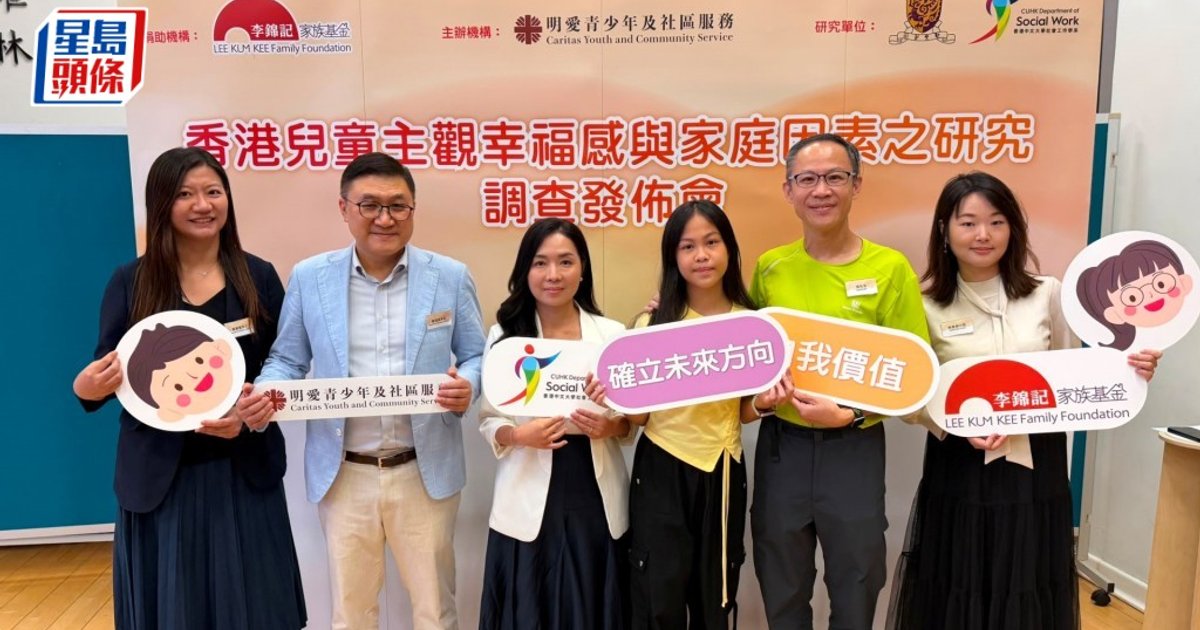
A joint research initiative by Caritas Hong Kong and the Chinese University of Hong Kong has unveiled concerning findings about the mental well-being of Hong Kong primary school students. The study, conducted between October 2025 and April 2026, surveyed over 5,200 Primary Four to Six students alongside focus group interviews with students, parents, and teachers. The research highlights how Hong Kong's highly competitive educational environment, characterized by high expectations and academic pressure, is taking a significant toll on children's emotional health and self-perception.
Key Points
- Caritas and CUHK collected valid questionnaires from 5,200+ P4-P6 students across Hong Kong schools and community centers between October 2025 and April 2026 to examine children's subjective well-being and family factors
- Nearly 70% of surveyed upper primary students reported feeling stressed due to excessive school assessments, while almost 60% expressed concern about their uncertain future in the high-pressure educational environment
- The study found that children in this "three-high" environment—characterized by high competition, high academic focus, and high achievement expectations—often tie their self-worth to grades, believing good results are necessary for adult approval
- Researchers identified that parents who verbally express "just try your best" often display negative emotions when grades fall short, creating "soft pressure" that leads children to blame themselves and build a "silent shelter" to hide stress
- The research team introduced the "Hope Paradox" concept, explaining that when hope becomes tied to academic performance, children deliberately suppress positive expectations to protect themselves from disappointment
Why It Matters
The findings underscore an urgent need for systemic change in how Hong Kong society approaches child development and academic expectations. Caritas Youth and Community Service Director Chan Wai-leung emphasized that stable family environments serving as "emotional safe havens" could become children's most resilient defense against academic pressure . Lead researcher Lo Yee-man from CUHK's Department of Social Work stressed that addressing children's well-being challenges requires all parties—schools, families, and communities—to adjust expectations rather than simply telling children to reduce stress or providing material support .
The findings underscore an urgent need for systemic change in how Hong Kong society approaches child development and academic expectations. Caritas Youth and Community Service Director Chan Wai-leung emphasized that stable family environments serving as "emotional safe havens" could become children's most resilient defense against academic pressure . Lead researcher Lo Yee-man from CUHK's Department of Social Work stressed that addressing children's well-being challenges requires all parties—schools, families, and communities—to adjust expectations rather than simply telling children to reduce stress or providing material support .