EMSD Rolls Out AI Tools Across 30+ Departments, Unveils Smart Drones and Cleaning Robots
HK01 · 1 SOURCESabout 1 hour ago4 MIN
Summary
The Electrical and Mechanical Services Department (EMSD) is accelerating the integration of artificial intelligence across Hong Kong's government sector through a multi-pronged support platform designed to help more than 30 departments deploy AI solutions . The initiative encompasses project facilitation, computing power infrastructure, and specialized talent training to ensure successful implementation of AI projects within the public sector.
Key Points
- *Cross-Department AI Support Platform**
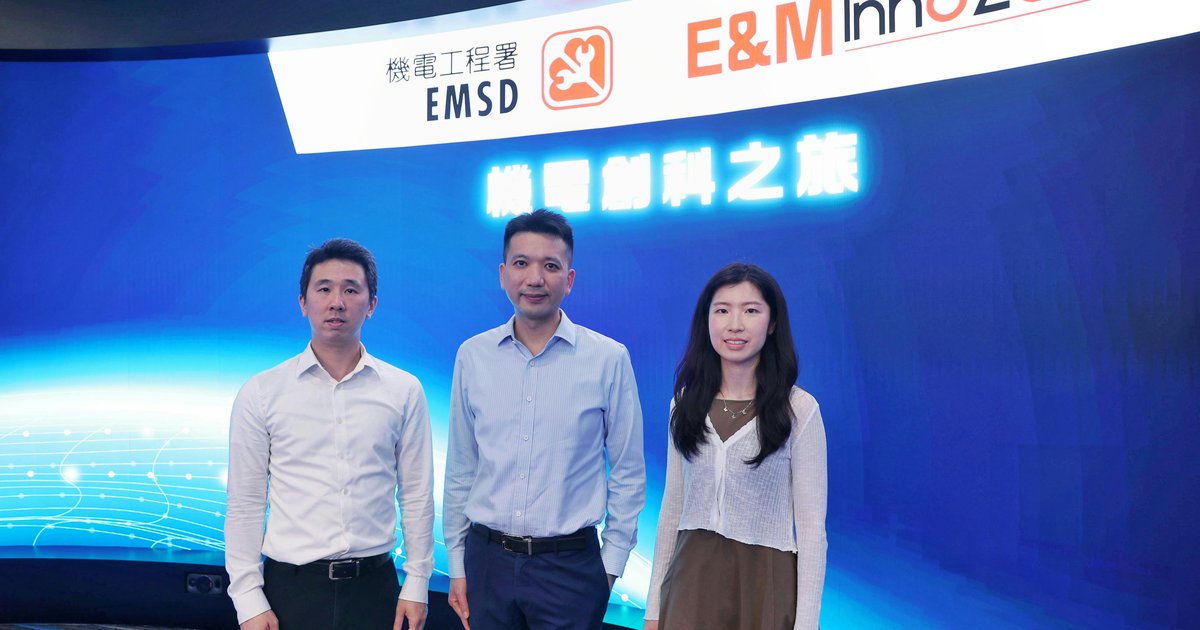
- EMSD Engineering Services Chief Engineer Lai Chun-fai explains that the department is leveraging its experience in developing in-house AI solutions and its network with local and Greater Bay Area technology partners to assist other government departments . The E&M InnoPortal platform helps departments match suitable solutions and conduct trials, recognizing that most commercial solutions require additional development to adapt to Hong Kong's unique operational requirements and workflows.
- *Private Cloud Infrastructure for Secure Development**
- To address data security concerns associated with public cloud services, EMSD has established private cloud infrastructure supporting departments during development, sandbox testing, and pilot-scale operations . This approach eliminates the need for departments to build their own computing facilities while ensuring sensitive data remains within a secure government environment.
- *ChillStream AI Air Conditioning System**
- EMSD Engineer Ip Tsz-yan introduces the self-developed ChillStream system, an AI-powered chiller plant optimization solution that targets the significant energy consumption of central air conditioning systems, which typically account for over 40% of building energy use . The system collects real-time operational data including occupancy levels, water usage, outdoor temperature, and humidity to determine optimal settings through AI algorithms. Traditional fixed or manual control modes often maintain excessive chiller operation even when conditions change, leading to unnecessary energy waste. ChillStream has been deployed at seven sites including hospitals and sports centres, achieving energy savings of 3-7% with an average of approximately 5%, translating to about 250,000 kilowatt-hours of electricity saved per building annually . The system has received recognition at both the Asia Innovation and Invention Exhibition and the Geneva International Invention Exhibition.
- *AI Drone Floodlight Inspection System**
- EMSD Engineer Chan Yuk-cheung presents the new AI-integrated drone system for inspecting high-mast floodlights at sports grounds, noting that previous methods requiring workers to ascend heights of 30-40 metres presented significant safety risks . The system achieves fully autonomous flight, automatic path generation, numbering and positioning, and defect identification. At Tsing Yi Sports Ground, traditional inspection methods required 3-5 workers and approximately 8 hours including preparation, with report compilation taking an additional week . The new system requires just one operator without requiring strong engineering background, completing the entire flight inspection in 1-2 hours with AI-generated reports delivered within 15 minutes . Beyond efficiency gains, the system eliminates falls hazards and heatstroke risks while enabling comprehensive multi-angle detection that can identify issues previously invisible to human inspectors, such as electrical damage behind light fixtures . The system has already completed 12 inspections across eight venues including Tsing Yi, Cheung Sha Wan, Siu Sai Wan, and Tseung Kwan O, with potential application across over 1,000 venues and 90,000 lampposts .
- *Autonomous Cleaning Robots for Water Tanks**
- The department is also developing cleaning robots capable of sanitizing large-scale water tanks without requiring workers to enter confined spaces . These robots can complete cleaning of 10,000-litre water tanks in approximately 90 minutes, addressing the hazardous conditions of enclosed space work characterized by high temperatures and poor ventilation that have traditionally posed significant occupational safety risks .