Hard Luxury Brands Outperform Soft Luxury as Jewelry Sales Surge
SingTao · 1 SOURCESabout 1 hour ago6 MIN
Summary
The latest earnings from four major luxury goods conglomerates reveal a stark divide between hard luxury and soft luxury performance. Swiss-listed Richemont, which owns Cartier, Van Cleef & Arpels, and Buccellati, delivered the strongest results with quarterly sales growth of 20% . Meanwhile, Hermès reported 7% revenue growth in the second quarter, LVMH achieved 3% organic sales growth, and Kering posted only a 1% revenue increase . The divergence highlights how jewelry and watch brands are outperforming fashion houses at a time when consumers are prioritizing保值能力—value retention—over seasonal trends.
Key Points
- Richemont's flagship brands Cartier and Van Cleef & Arpels, which focus on jewelry and watches, account for over 90% of the company's business, contributing to its 20% sales growth
- LVMH's jewelry and watch division, which includes Tiffany & Co. and Bvlgari, grew 7% despite comprising a smaller portion of the conglomerate, while its core Louis Vuitton and Christian Dior soft luxury brands lagged
- Kering's jewelry business surged 18% year-over-year, significantly outpacing its fashion and leather goods segment including Gucci, which posted another quarter of decline
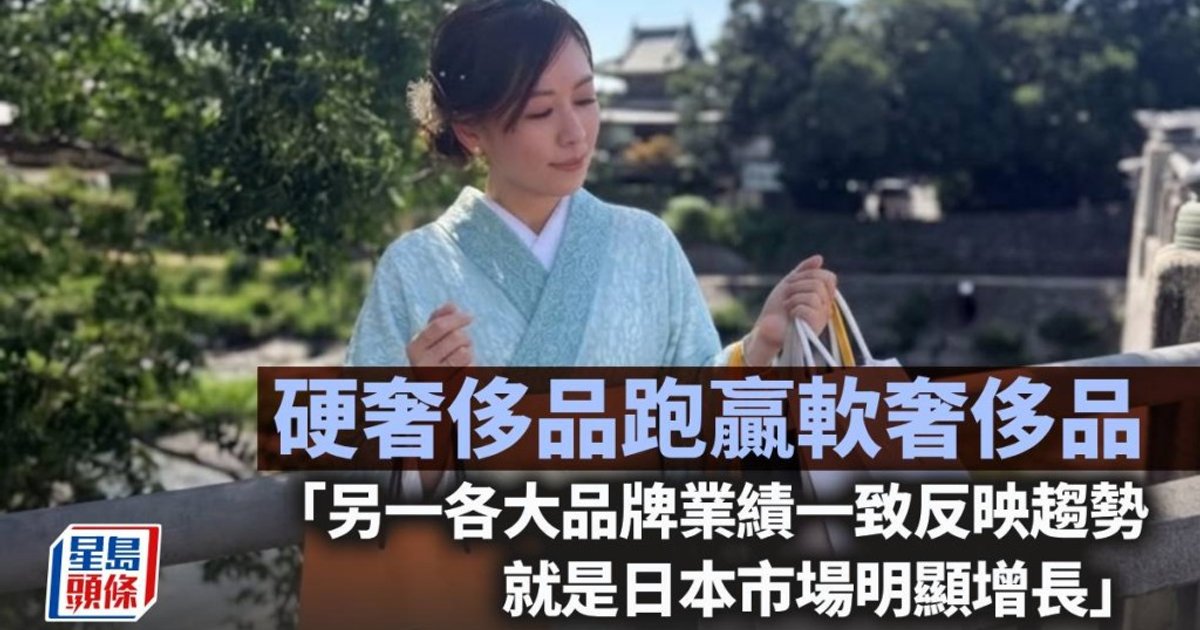
- Japan emerged as a key growth driver, with Richemont reporting 36% sales growth in the country, fueled by the yen's weakness attracting international luxury shoppers
- Jonathan Anderson, who relocated from Loewe to become Christian Dior's creative director last year, helped reverse Dior's fortunes with the new Cigale bow-shaped handbag inspired by the brand founder's haute couture archives
Why It Matters
The luxury sector's bifurcation offers insights for Hong Kong investors and consumers watching the market. While hard luxury brands benefit from rising precious metal prices and serve as value-retention assets during economic uncertainty, soft luxury brands retain strategic importance due to their higher profit margins and ability to cultivate younger customer bases . The surge in Japanese spending, fueled by favorable exchange rates, signals how currency movements can dramatically shift luxury consumption patterns—relevant for understanding how Hong Kong's retail landscape might evolve as regional travel and shopping behaviors continue changing.
The luxury sector's bifurcation offers insights for Hong Kong investors and consumers watching the market. While hard luxury brands benefit from rising precious metal prices and serve as value-retention assets during economic uncertainty, soft luxury brands retain strategic importance due to their higher profit margins and ability to cultivate younger customer bases . The surge in Japanese spending, fueled by favorable exchange rates, signals how currency movements can dramatically shift luxury consumption patterns—relevant for understanding how Hong Kong's retail landscape might evolve as regional travel and shopping behaviors continue changing.